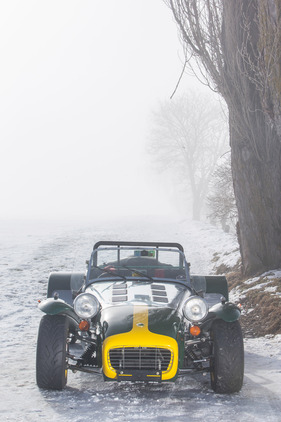
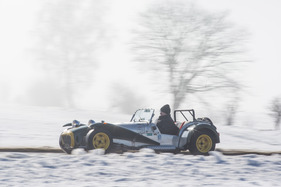
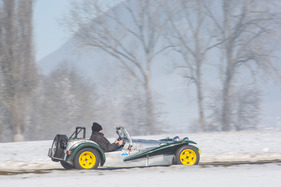
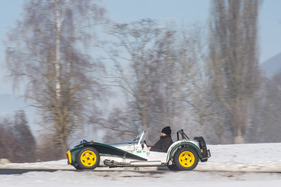
Super Seven S3 - the Lotus that came into the cold
















































You have only
4 out of 58
images seen in high resolution


Summary
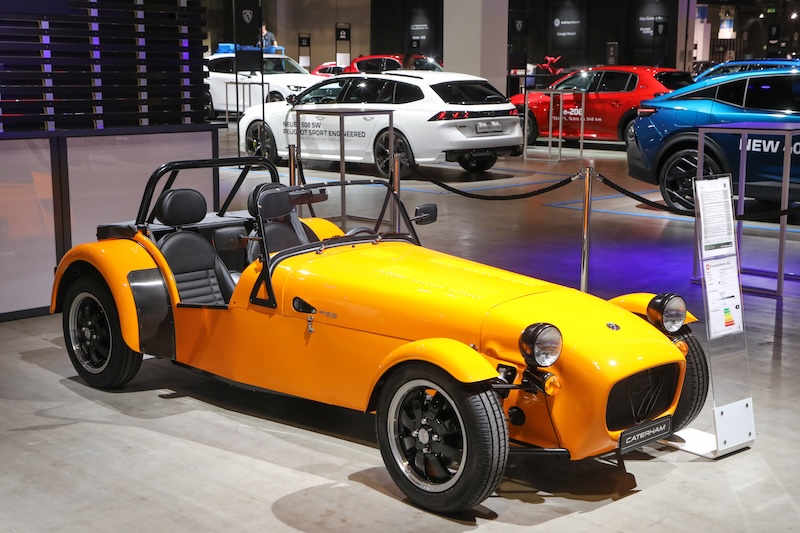
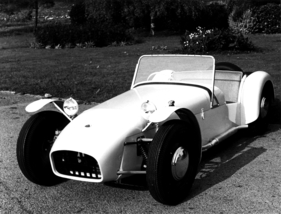
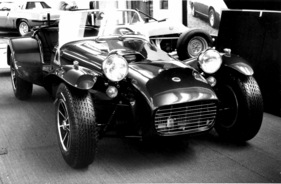
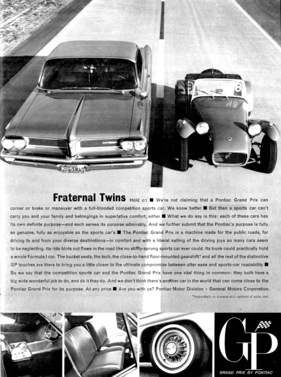
The English sports car manufacturer produced not quite 3000 Lotus Seven and Super Seven cars between 1957 and 1973. They were aimed at sports drivers who needed a vehicle suitable for everyday use during the week and for club racing at the weekend. The simply built Seven, which could be assembled by reasonably talented DIY enthusiasts in their own garage, offered just that. The fact that it continues to be built in various versions to this day proves how right Colin Chapman was with this concept. This driving report describes the history of the Lotus Seven and shows it in current and historical photos, as well as in the sales literature of the time.
This article contains the following chapters
- The puzzle before the drive
- Created as the Mark VI
- Evolution in form and performance
- Built in four series
- Racing car technology for everyday use
- Pretty direct
- Continuing the legend
- Further information
Estimated reading time: 9min
Preview (beginning of the article)
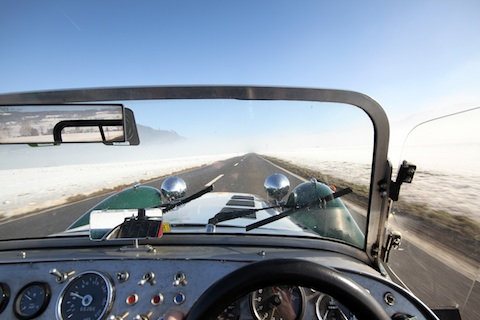
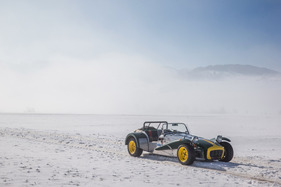
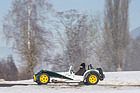
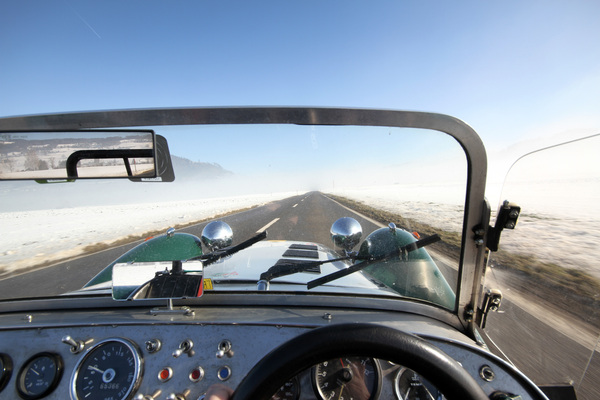
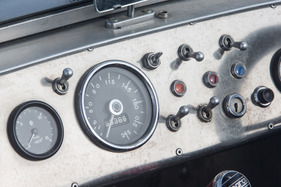
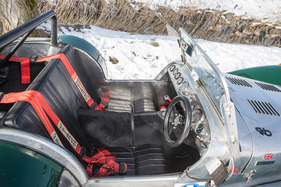
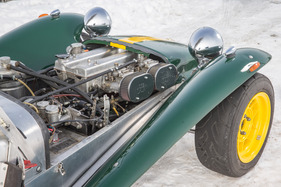
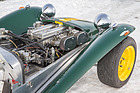
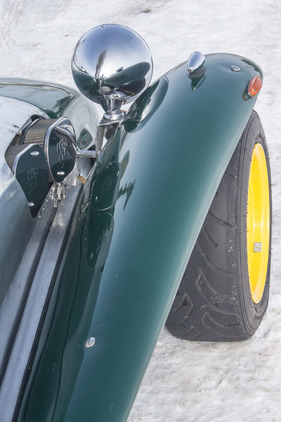
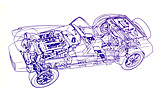
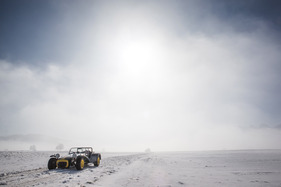
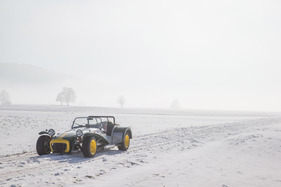
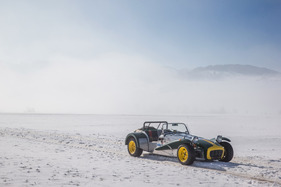
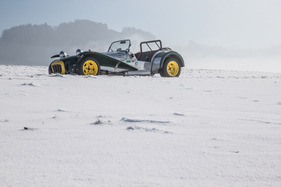
A Lotus Super Seven is certainly not the ideal car when it comes to defying nature in the form of fog, snow and ice. But Colin Chapman had developed the minimalist roadster with sports drivers of modest means in mind, who could only afford a car that could be used for commuting to work during the week and for successful participation in club races at the weekend. Many Seven drivers therefore drove their lightweight sports car in all weathers, even when it was snowing. Without heating and with minimal weather protection, why not? Before they could even drive the car, however, they had to assemble it from components, as the Lotus Seven was delivered as a "kit car". However, Colin Chapman had developed the kit car into an art form. When the car was delivered, the customer received all the components required for a drivable car. Nothing had to be bought in, everything was ready for assembly and the wiring harness had already been laid. This level of perfection was called "CKD", or "completely knocked down".
Continue reading this article for free?
Images of this article