Lotus Super Seven in the (historic) test - one of the most unreasonable pleasures on four wheels


You have only
1 out of 10
images seen in high resolution
Summary
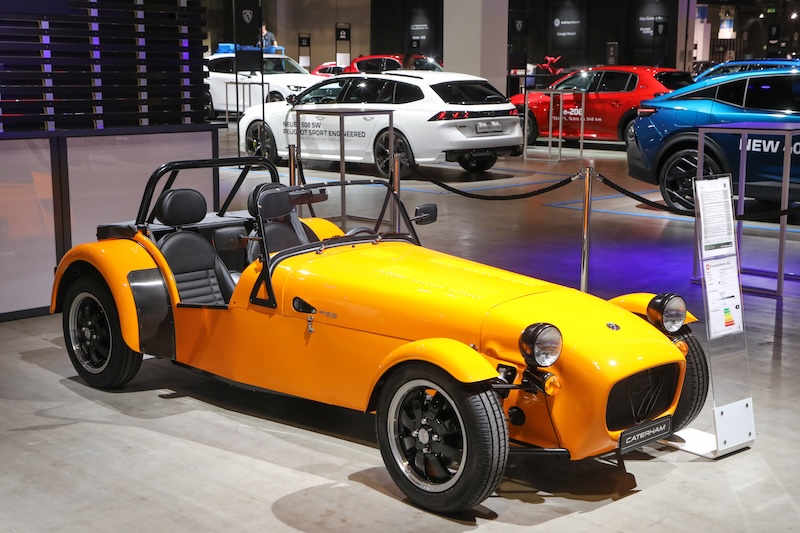
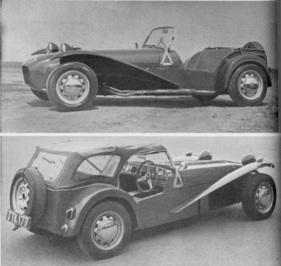
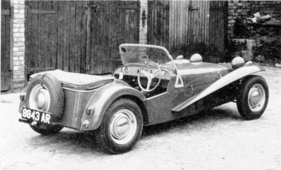
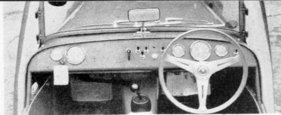
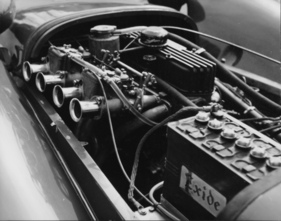
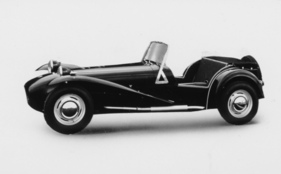
Did Colin Chapman build the Lotus Super Seven simply for the sheer joy of it? In any case, the rough-legged fun roadster looked somewhat out of place next to the relatively distinguished Elite and Elan production cars. However, far from being suitable for everyday use, the roadster weighing less than 500 kg showed unexpected talents ... even in city traffic, if the driver was able to adapt to the dimensions of the car. This historical test report is dedicated to the 100 hp Super Seven with Cosworth engine.
This article contains the following chapters
- A real sports car
- For adaptable
- Driving a Seven needs to be practiced
- Use as a city car?
- Not recommended in winter
- Hurricane-force ventilation
- It's best to take the most powerful 'Freiatmer'
- Powerful piece with good manners
- Not exactly fuel-efficient
- For die-hards with a sense of humor
- Technical data and measured values
Estimated reading time: 17min
Preview (beginning of the article)
Connoisseurs associate the name 'Lotus' with great roadholding, torsionally rigid chassis, technical elegance, a Formula 1 world championship and perhaps even Jim Clark. However, we are almost completely unaware that the Super Seven originates from the same workshop where the Elite, the Elan and the formula cars that were unbeatable until recently under Jim Clark are built. In terms of its overall layout and appearance, the Super Seven does not fit in at all with the rest of the Lotus range. In fact, Lotus designer Colin Chapman, who had some ingenious ideas, seemed to build the rough-legged Super Seven sports car just for fun. But not just for his own enjoyment, but also for the enjoyment of the many insular drivers who take part in club races with the Super Seven every weekend.
Continue reading this article for free?
Images of this article