
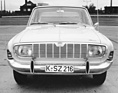
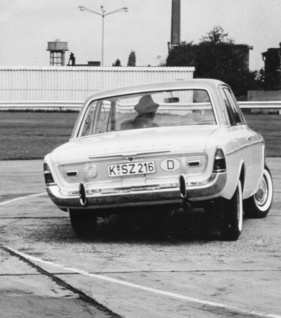
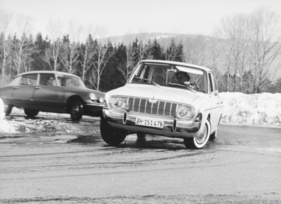
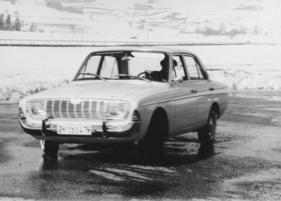
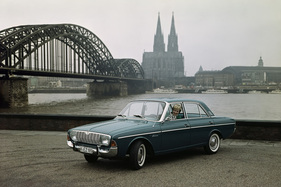
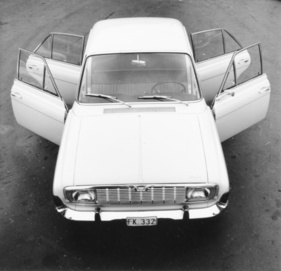
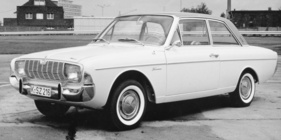
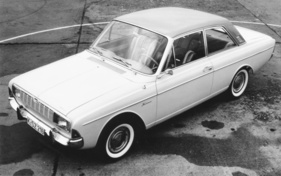
A good compromise - Ford 17 M 1.5 liter in the (historical) test






















You have only
1 out of 26
images seen in high resolution


Summary
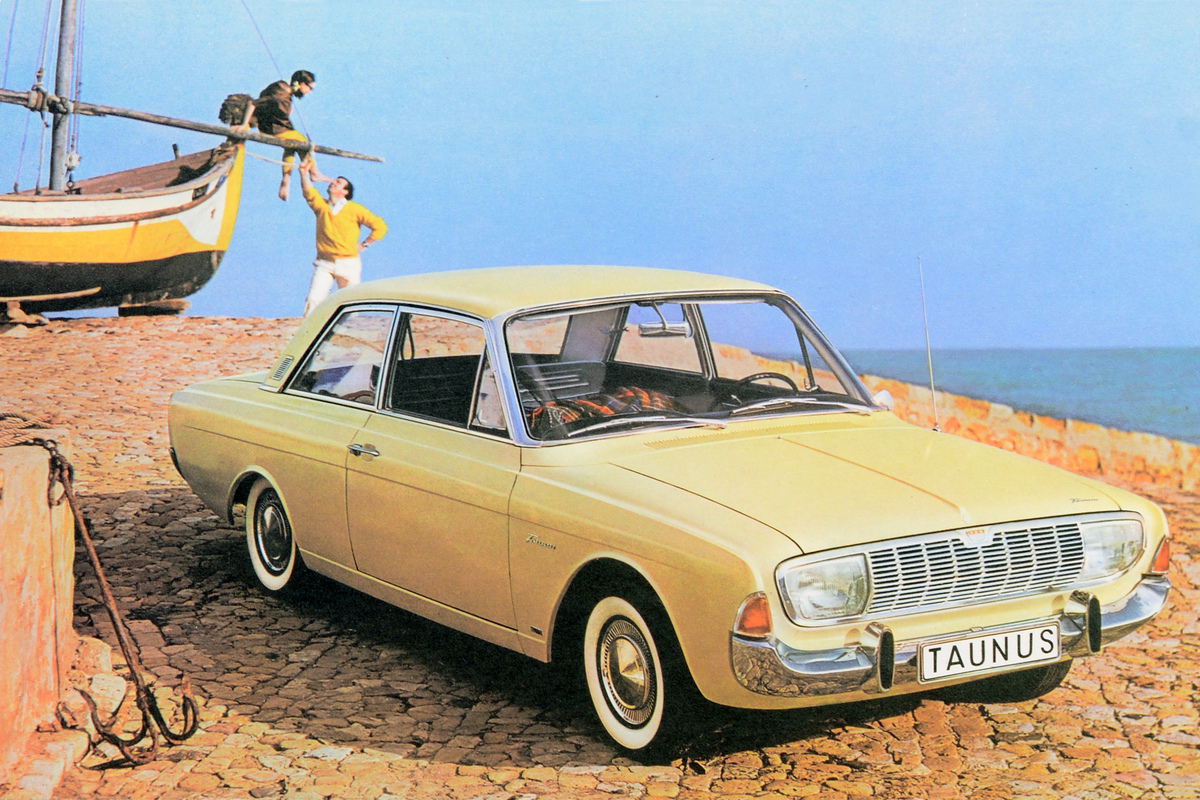
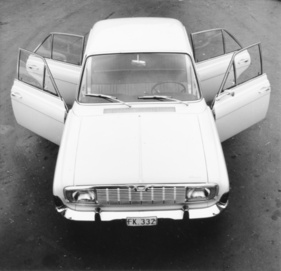
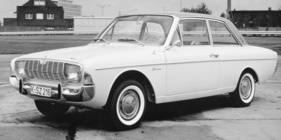
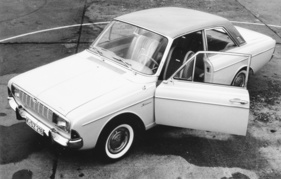
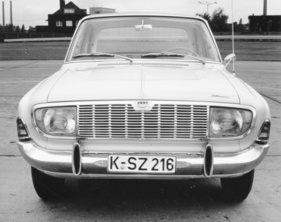
A mid-range car that is intended to appeal to a wide range of buyers can never please everyone. Some prefer it sporty, others prefer it comfortable. On top of that, it should be easy to handle in the city and comfortable on long journeys, as well as powerful and economical. And of course it also has to look good. The Ford Taunus P5 mastered this balancing act very well in 1965, as this historical test report shows. Even the much-maligned V4 engine came off surprisingly well.
This article contains the following chapters
- Miraculous increase in performance
- Noisy but economical
- Three or four gears?
- More comfort and safety
- Pedal and tire pressure
- Individual seats recommended
- Middle class is a compromise class
- Technical data and measured values
Estimated reading time: 25min
Preview (beginning of the article)
Ford's second reissue of its line of reason confronted us with a completely new reaction from German middle-class consumers. Faced with a new model that had previously been considered the epitome of automotive wish fulfillment, people asked: "Why?", "Why did a new model have to replace the car that paved the way to the top for the Cologne Ford works? Why did a car have to die that appeared to be technically superior to its direct competitors, that appealed well and caused little grief?" The model change raises many questions, they are asked everywhere - even within the Ford factories themselves - and this is a really nice posthumous compliment to the predecessor.
Continue reading this article for free?
Images of this article


_RM.jpg)
