The perfect butler - Rover 3-Litre in the (historical) test


You have only
1 out of 33
images seen in high resolution


Summary
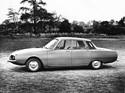
The Rover 3-Litre or P5, launched at the end of the 1950s, was by no means particularly exciting; it was far from extravagant. This would also have defeated its purpose. As a sedan chair for the well-to-do, it impressed with its reliability, discretion and willingness to fulfill its crew's every wish. In addition, it had innovative mechanical features, all of which were aimed at maximizing travel comfort, as this test report shows.
This article contains the following chapters
- Quality above all else
- Externally conservative
- 115 hp on velvet paws
- Well-spaced gearbox - shifted with criticism
- Steering and brakes
- Comfort and equipment
- Plenty of space for luggage
- How it drives
Estimated reading time: 12min
Preview (beginning of the article)
The "Rover" brand is one of the most traditional in the international automotive industry. It was created when two mechanics, John Kemp Starley and William Sutton, joined forces in 1877 to produce bicycles in Coventry. Cars were not yet a thing back then, and the bicycles had a large wheel with pedals at the front and a small support wheel at the back... Rover built the world's first rear-wheel drive bicycle and a strange tricycle with a drive axle already fitted with a differential. One example can still be admired today in the factory museum. The first Rover motor vehicle was a two-wheeler with 2.3 hp and was followed in 1904 by the first automobile to bear the Rover name. Rover only became really famous immediately after the First World War with a small car with an 8 hp engine that weighed just 400 kg, cost £230 and was built in more than 17,000 units - quite remarkable figures for the time!
Continue reading this article for free?
Images of this article