Crosley - the Americans could also go small


You have only
5 out of 30
images seen in high resolution
Summary
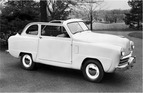
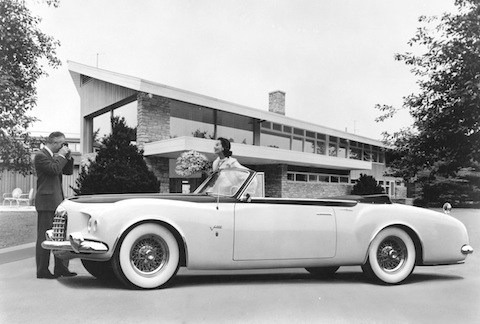
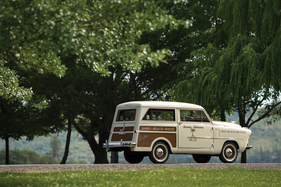
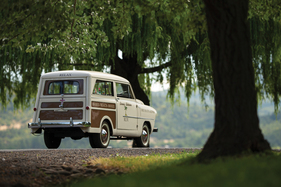
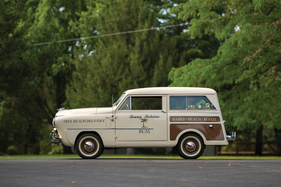
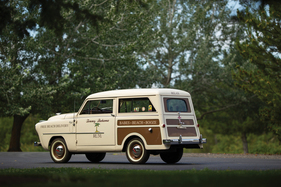
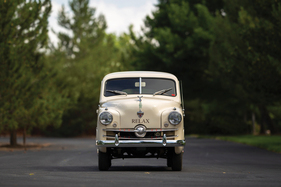
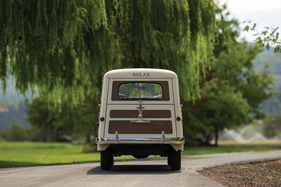
The first production car with disc brakes was a Crosley. The first Sebring race winner was also a Crosley. And yet hardly anyone in this country remembers these innovative American small cars, they were even ridiculed in Europe. Yet the Crosley engines already had overhead camshafts and an output of 36 hp per liter of displacement in 1946. This report tells the unusual story of the Crosley cars and shows a station wagon from 1951 in many photos, along with historical photographs and other models from the range at the time.
This article contains the following chapters
- An inventor and businessman
- The first Crosley small car
- A new engine
- Attracting attention in Europe
- On a low flame
- A real sports car
- Victory at Sebring
- The arrogance of European observers
- Not everything was progressive
- Further information
Estimated reading time: 10min
Preview (beginning of the article)
Hardly anyone in this country knows the car manufacturer Crosley, although it was this company that attracted attention with a whole series of innovations long before the Europeans came up with similar ideas. Perhaps it was because Crosley automobiles were small and not very American? Powel Crosley (1886-1961) was the man who was always coming up with new ideas. At the age of 21, he built his first car, the Marathon Six with a six-cylinder engine, at a time when four-cylinder engines dominated. The car was not a success, nor were three further attempts to earn money with cars. But Crosley did not give up, shifting his focus initially to car accessories and finally to building radios, at a time when hardly anyone could afford such a device because it was more expensive than a Ford Model T. With his "Harko Junior Crystal Set", Powel offered a radio for a fraction of the price of the competition and business flourished. Powel also built refrigerators, including the first appliances that also offered storage space for food/drinks in the doors.
Continue reading this article for free?
Images of this article