Bayer versus Delta - German plastic experimental cars of the late sixties in the exam


You have only
1 out of 16
images seen in high resolution


Summary
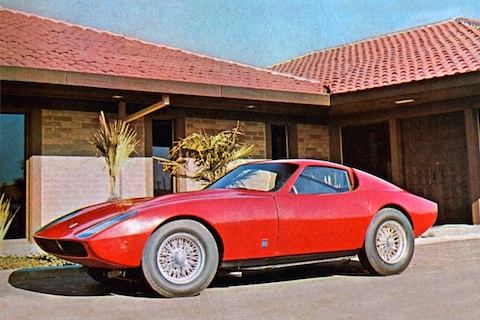
At the end of the 1960s, two future-oriented plastic sports cars were created in Germany that many a car buyer would have loved to have in their garage. Together with BMW, Bayer developed a platform that could have been fitted with different bodies; the Delta 1 Roadster was an uncompromising sports machine that could rival many a Porsche. Despite interesting approaches, both cars never went into series production, although they were thought to have good chances of doing so. This historical comparison test by 'hobby' magazine reveals the secrets of the two prototypes and explains the technology, illustrated with historical pictures from the time.
This article contains the following chapters
- Progressive all-plastic cars
- When the tires squeal at Bayer . ..
- Off it goes in the souped-up Delta
- Comparison of the technical data
Estimated reading time: 8min
Preview (beginning of the article)
hobby' was the first magazine to succeed in obtaining the two most modern plastic cars in the world for a comparative test: the Delta I, an extremely beautifully shaped roadster with a 'very sharp' NSU spit engine with almost 100 hp, and the sensational Bayer car, which was developed by the Leverkusen-based chemical company in collaboration with BMW. In both cars, only the engine, gearbox and chassis are still made of steel. Bayer-Auto and Delta are the only two all-plastic cars with a sandwich construction in the world. This construction represents a real advance in automotive engineering, as it makes it possible to manufacture load-bearing parts of high rigidity from plastic.
Continue reading this article for free?
Images of this article