3-cylinder, 2-stroke, 1-cylinder - DKW special class (historical test)


You have only
1 out of 29
images seen in high resolution


Summary
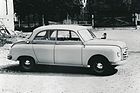
DKW broke completely new ground with the special class. The two-stroke with 896 cm3 and 34 hp reached 120 km/h, but the competition had to make a big effort if they wanted to keep up. And obviously no one in the 1950s was complaining about the unusual driving noise or the special scent, but 'hobby' test driver Sponsel was delighted with the new model. This article reproduces the original wording of the test at the time and shows the DKW special class in a wealth of historical images, including original brochures.
This article contains the following chapters
- Quiet and powerful
- Unrivaled performance
- Safety above all else
- Powerful brakes
- And yet comfort
- Technical profile
Estimated reading time: 4min
Preview (beginning of the article)
The conditions under which the 'hobby' tester took over the 3-cylinder DKW special class were the most unfavorable imaginable: freezing frost, icy roads, wind that sometimes almost turned into a hurricane. The acid test that the test car had to undergo could not have been tougher, quite apart from the fact that testers take a car more severely than it is normally driven anyway. First of all, however, a widespread misconception must be corrected: the basic design of the 3-cylinder engine of the DKW Special Class was already a reality around 1939 and had already successfully passed its first factory test at that time. The outbreak of war prevented it from going into series production.
Continue reading this article for free?
Images of this article