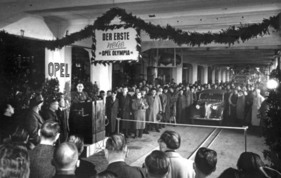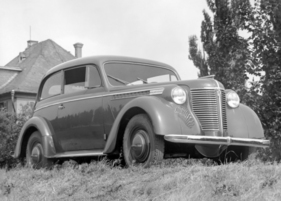
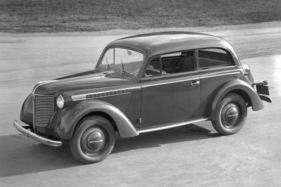
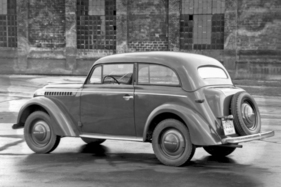
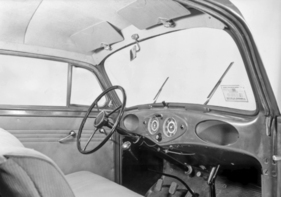
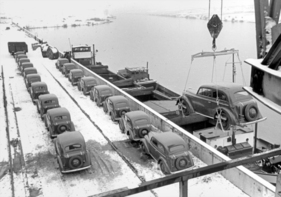
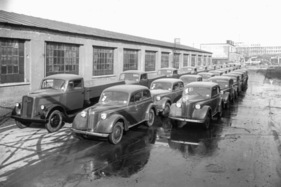
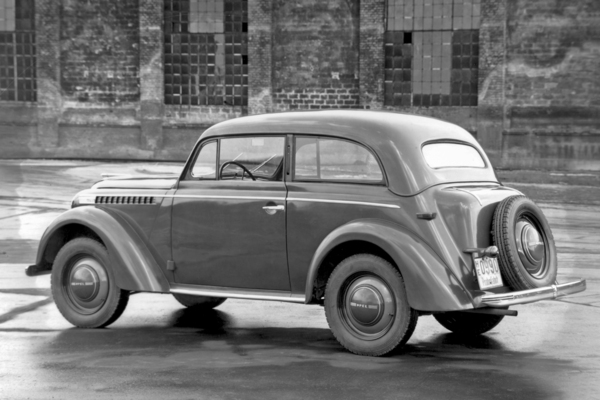
On December 28, 1947, the Opel Olympia, the first production car after the reconstruction of the Rüsselsheim plant, rolled off the production line - a model that had already been successful before the Second World War and was now to drive the restart of automobile production. With success: countless models have left the factory halls at Opel's headquarters to this day.
The second new start
Opel had to start from scratch once before: This was after the great fire disaster of 1911, when a fire reduced large parts of the Rüsselsheim plant to rubble. At that time, the Opel family and employees showed the courage to try something new and, after sewing machine production, turned their attention entirely to bicycle and automobile production. The situation was similar after the end of the Second World War. In 1945, virtually no stone was left standing on the company premises on the River Main. However, reconstruction is quickly pushed ahead, so that parts production can initially be resumed under the existing conditions.
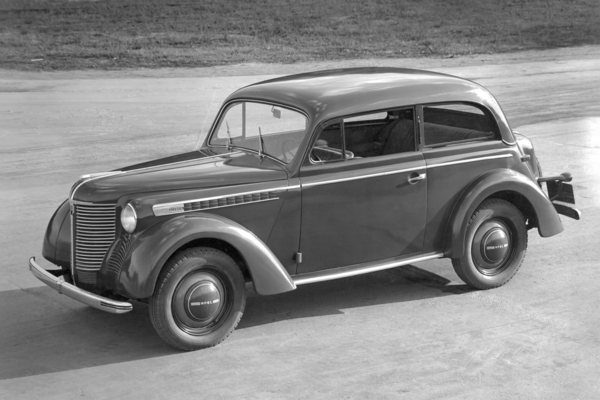
In the summer of 1946, the first truck - an Opel Blitz 1½ t - leaves the plant, which is still under construction. Vehicle production finally picked up speed at the end of 1947. Series production of passenger cars finally begins again with the Opel Olympia. In 1935, the Olympia was the first German mass-produced vehicle to have a self-supporting all-steel body and, thanks to its low weight, improved driving performance and low fuel consumption. At the same time, the design of the modern-style safety body paved the way for mass production.
Differences in detail
The '47 Olympia differed from its pre-war predecessor in particular by an improved front axle with double wishbones and a slightly smaller wheelbase. The axle and steering of the two-door now came from the Opel Kapitän. Just under a year later, the larger, four-door Opel Kapitän went back into series production. And on June 8, 1949, the Opel management announces the completion of the 100,000th 1.5-liter Olympia. At the same time, production of a "cool" product continued in Rüsselsheim that only a few people still associate with the brand today: the "Frigidaire" refrigerator, which was highly coveted at the time and became a bestseller in the 1950s.
However, the foundation stone for the booming production in Rüsselsheim - and for the mobility of millions in the following "economic miracle years" - was already laid at the end of the 1940s with the Olympia and Kapitän models, which made a broad section of the population mobile again. Today, the latest generation of the Opel Astra is manufactured at the headquarters.