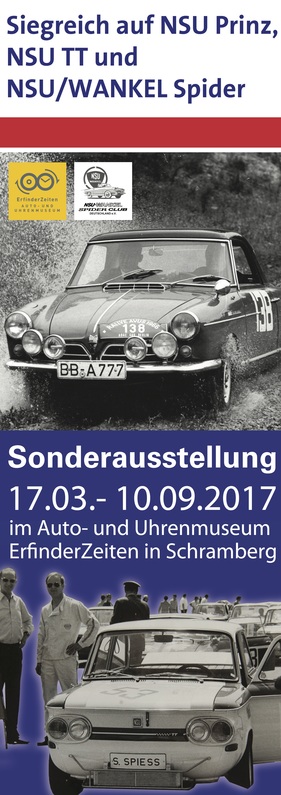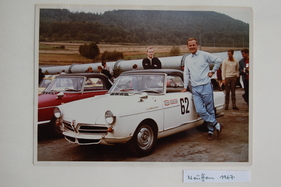

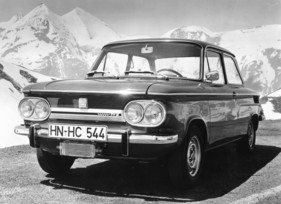
For many years, the NSU/Wankel Spider Club has been concerned with the very successful sporting history of the NSU/Wankel Spider and maintains intensive contact with former racing drivers and racing participants, such as Siegfried Spiess from Ditzingen. In addition, the entire estate of the successful racing driver Karlheinz Panowitz from Böblingen is in the hands of the club.
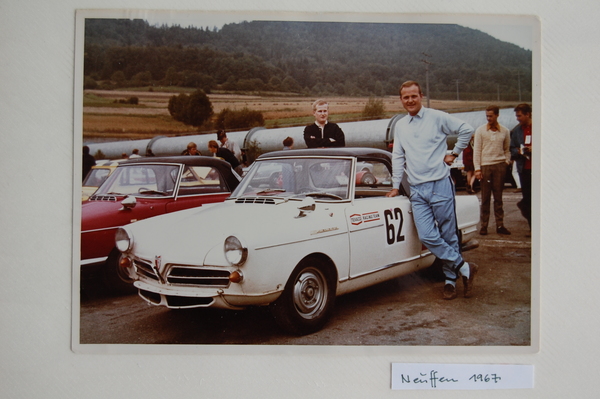
Both drivers achieved sensational sporting successes in 1967 with the racing Spiders built by the NSU factory. To mark the 50th anniversary of these successes, the NSU/Wankel Spider Club and the Car and Clock Museum in Schramberg have organized a special exhibition that uses the biographies of these two racing drivers as an example of the upheaval in motor racing and the associated increasing professionalization in the 1960s and 1970s using the NSU brand as an example.
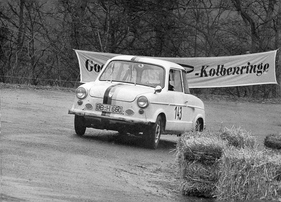
Starting with local competitions in NSU cars suitable for everyday use, the two racing drivers developed in very different ways. The extroverted Karlheinz Panowitz became an excellent rally driver and media star. The reserved Siegfried Spiess - a tinkerer and technician by nature - became very successful as a mountain and circuit racer and turned more and more to tuning. He built up a renowned company that developed and still manufactures engines for formula racing cars and touring cars. These engines, which have been used for decades in the national and international Formula 3 racing series, formed the basis of the careers of famous racing drivers such as Joachim Winkelhock, Michael Schuhmacher, Tom Kristensen, Giancarlo Fisichella, Nick Heidfeld, Nico Rosberg and numerous other well-known racing drivers.

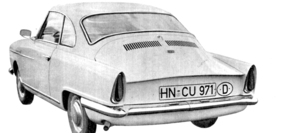
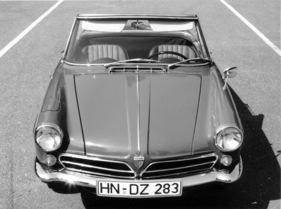
However, the immediate success of the NSU Spider with the then completely new NSU/Wankel engine was a sensation and milestone in automotive history. The NSU Spider, the world's first series-produced automobile with a Wankel engine, is the focus of the exhibition alongside other vehicles. Both vehicles shown in the exhibition are the original winning cars with which the German hill climb and GT rally championship titles were won exactly 50 years ago.

A further development took place in the 1970s. The racing cars became more specialized for the respective purpose. They were tuned into special mountain, rally or circuit racing vehicles. This further development is also shown in this exhibition using the NSU TT and NSU-Brixner racing cars as examples, right up to the latest developments in Spiess racing engines. Not only the vehicles, but also the drivers and tracks are becoming more and more professional. The idea of safety is slowly coming to the fore. After terrible victims were mourned, the tracks became safer and drivers used fireproof suits and powerful protective helmets. This development from the racing driver who took part in various races with the "family car" at the weekend to the almost professional racing driver is also shown in the special exhibition in the Car and Clock Museum.
This certainly unique exhibition about motor racing with NSU vehicles will open on March 17, 2017 and will be on display in Schramberg until September 10, 2017.
Further information can be found on the official website