

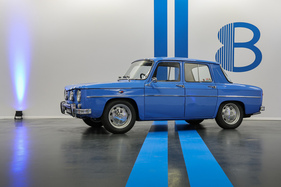
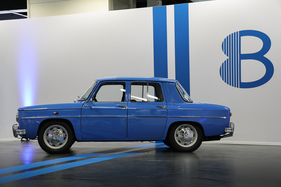
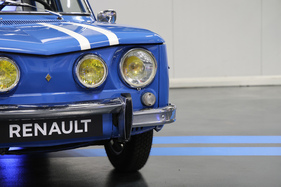
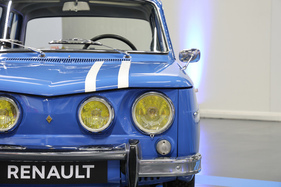
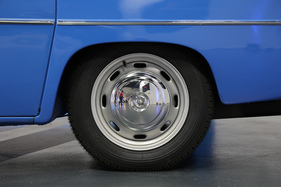
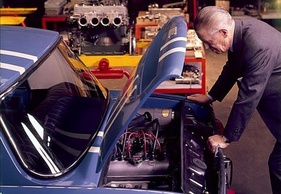
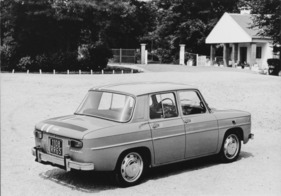
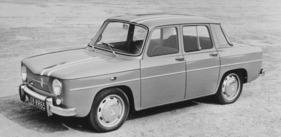

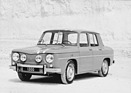



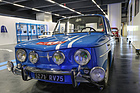
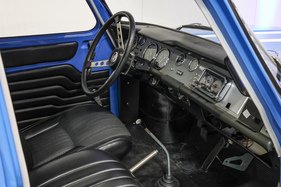
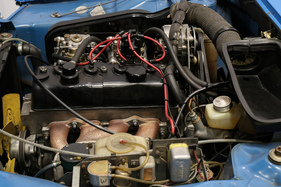
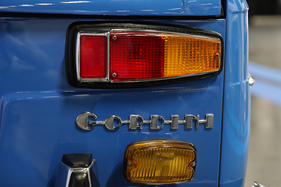

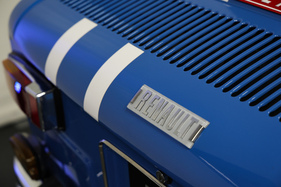
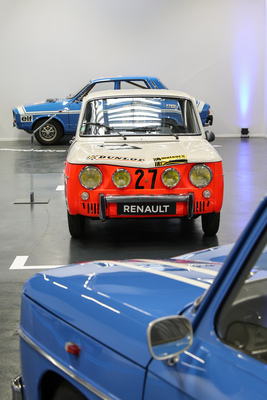

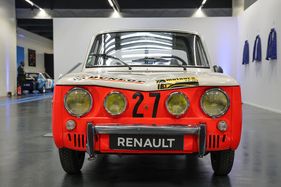
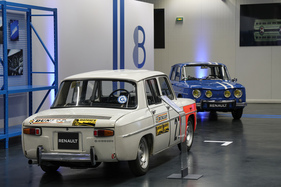
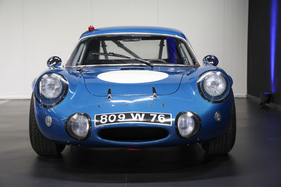
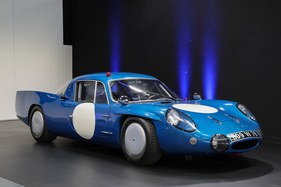
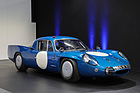
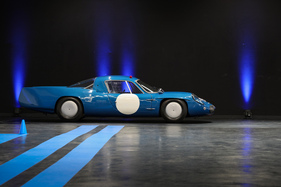


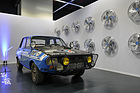
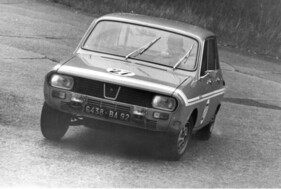
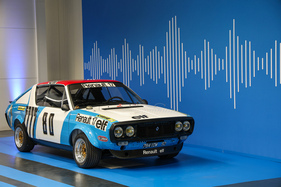
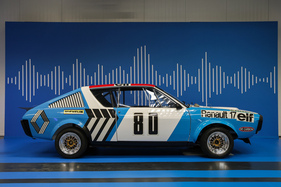
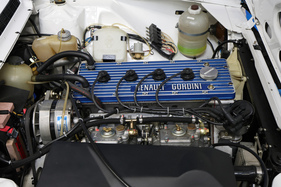
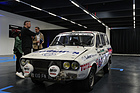
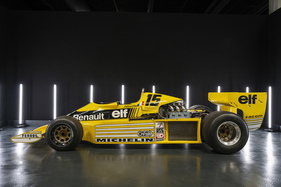
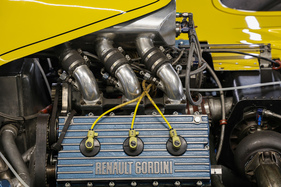







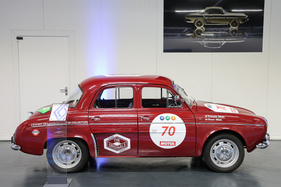
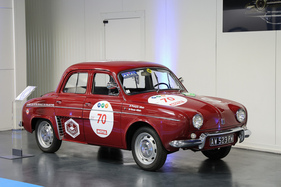
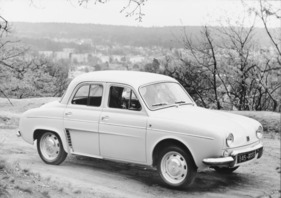
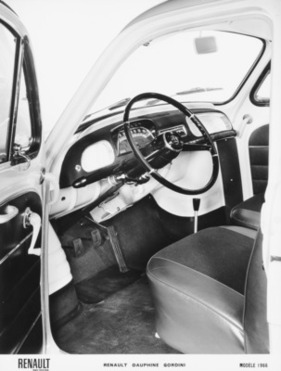
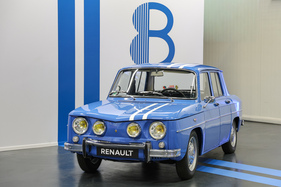
Amédée Gordini helped transform the otherwise staid Renault sedans into cars renowned for their sportiness and nearly unrivaled performance on the road as early as the 1950s, but especially in the 1960s and 1970s.
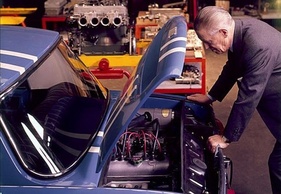
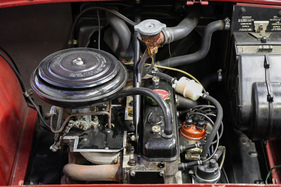
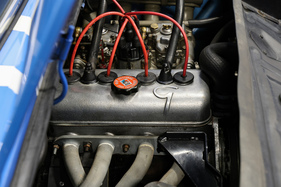
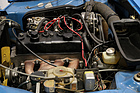
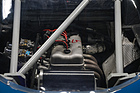
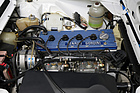
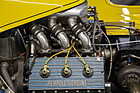
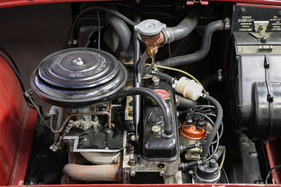
Amédée Gordini earned his nickname “The Magician” thanks to his ability to transform even the most modest engine into a true thoroughbred. He didn’t need a drawing board for this. He simply stood next to the milling machine operator and told him what to do and how to mill specific parts directly out of the engine block. He then handed the finished part to the draftsman so he could create the drawing. It was like magic!
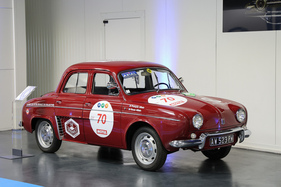
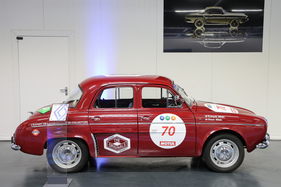
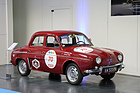
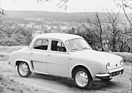
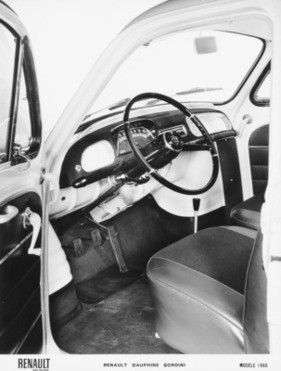
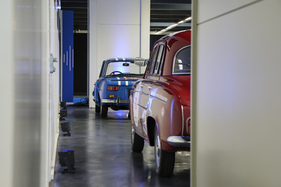
It all began with the Gordini version of the Renault Dauphine in 1957, which, thanks to Gordini—the “horsepower wizard”—delivered up to 36 PS and easily outpaced the Beetle.
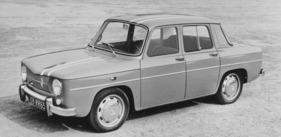
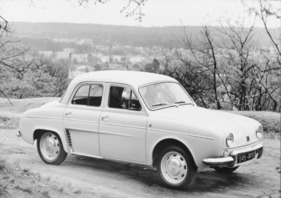
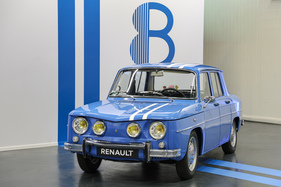
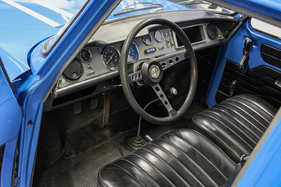
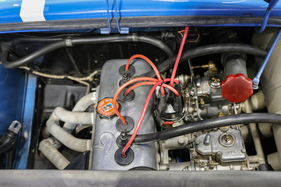
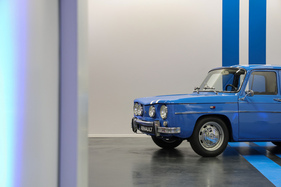
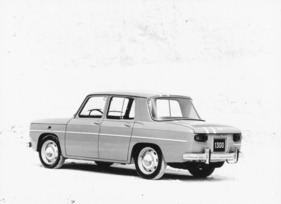
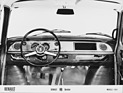
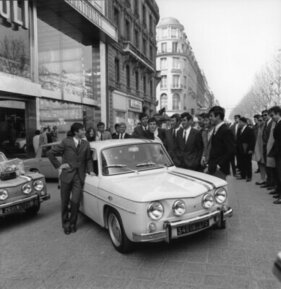
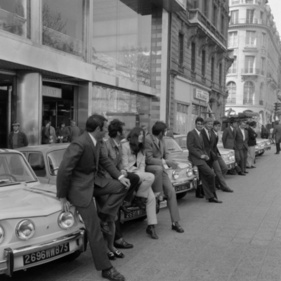
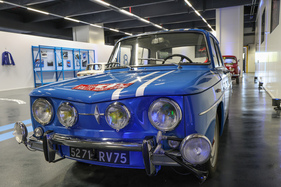
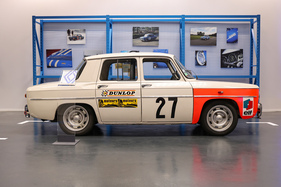
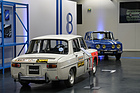
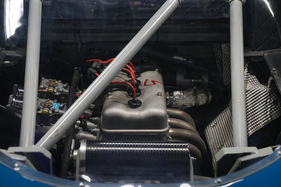
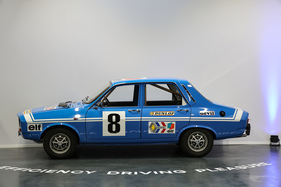
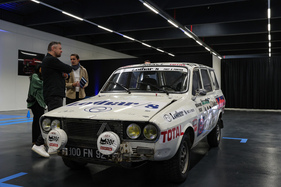
Then, in 1964, the Renault 8 Gordini was introduced, initially with a 1.1-liter engine and a cross-flow cylinder head; the 95 SAE PS four-door model reached 170 km/h, a speed few competitors could match.
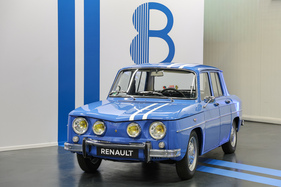
As early as 1966, the displacement increased to 1.3 liters and the power output to 103 SAE PS. The rear-engine car, now called the Renault 8 Gordini 1300, reached 175 km/h and also performed well in the brand’s own cup series.
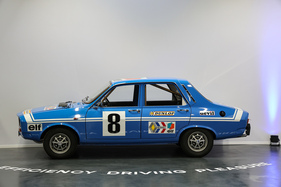
The next generation, introduced in 1971, was called the R12 Gordini, with 125 PS and a top speed of 185 km/h—notably featuring front-wheel drive and greater comfort.
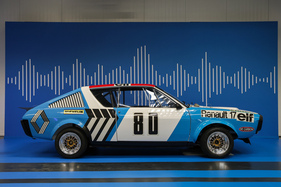
There was also an R17 Gordini produced in limited numbers.
Renault 8 Gordini Concept
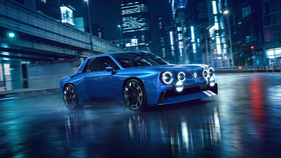
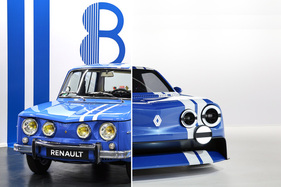
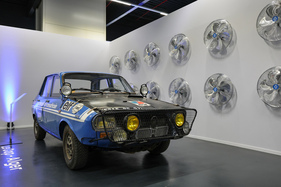
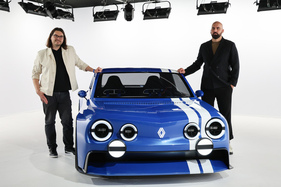
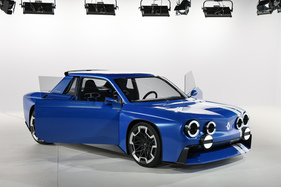
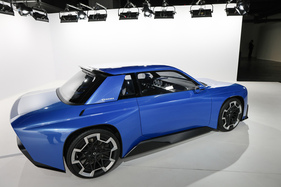
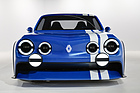
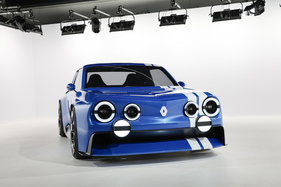
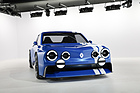
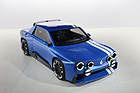
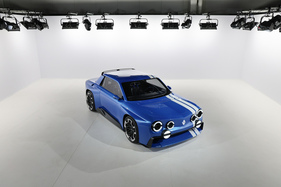
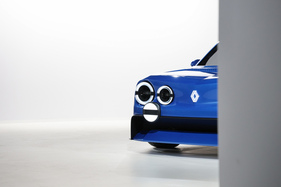
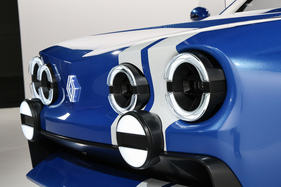
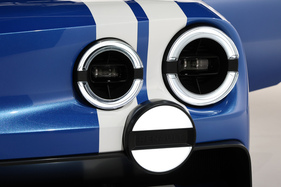
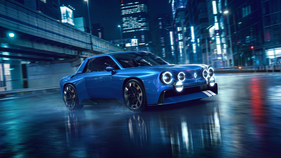
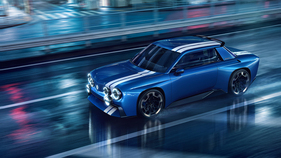
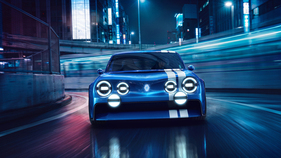
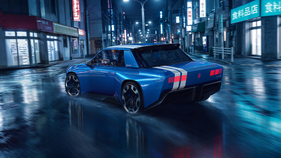
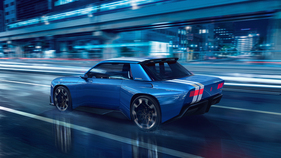
The concept car now being unveiled is reminiscent of the 1960s R8 Gordini. It not only incorporates the characteristic headlight design but also many other design elements of the original model.
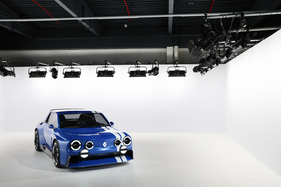
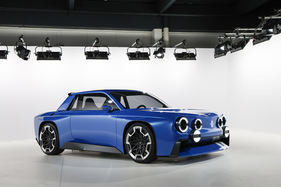
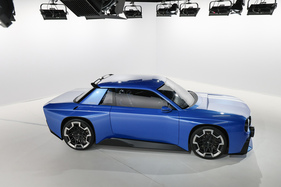
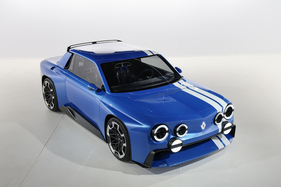
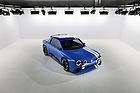
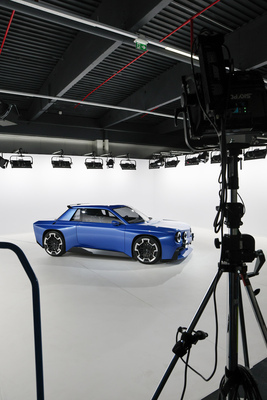
The concept car is a distinctive two-seat electric coupe with a motorsports-inspired design.
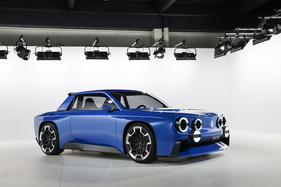
With its low, wide body and 270 PS electric powertrain, the concept car resembles a modern rally car in every respect. The clean lines of the “Café Racer” design blend tradition and innovation and are intended to bring the true Gordini spirit back to life.
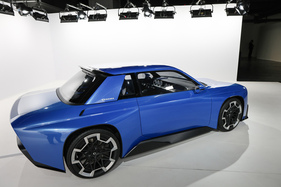
The Renault 8 Gordini Concept will be unveiled on September 24, 2026, on the Renault Carwalk —the brand’s showroom on the Champs-Élysées in Paris—and will subsequently be on display at the Renault booth at the Paris Auto Show from October 12 to 18, 2026. In 2027, the concept car—which is not intended for series production—will also be showcased at Rétromobile in Paris.
Six months from idea to finished concept car
The project began with an internal competition at Renault Design, which sparked an enormous wave of enthusiasm. The brand’s designers spontaneously submitted over 300 sketches: ranging from classic retro designs to futuristic styling, from concepts that blended tradition with modern avant-garde elements to GT-inspired looks. Two projects were selected and further developed as 2:5-scale models to compare them and create a new design that combines the best of both.
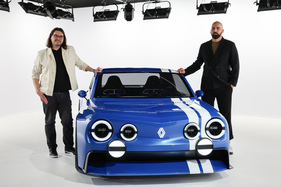
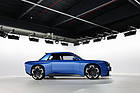
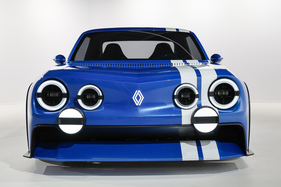
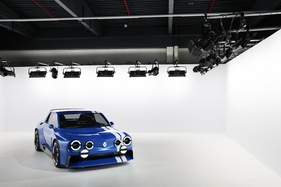
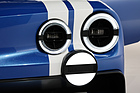
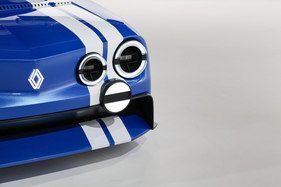
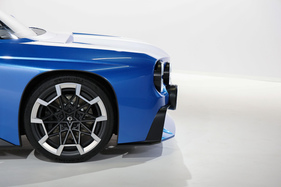
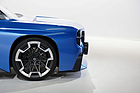
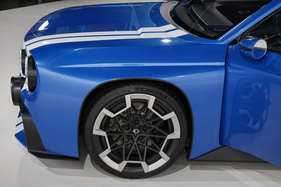
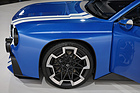
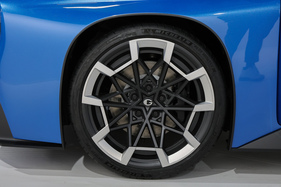
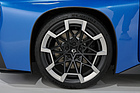
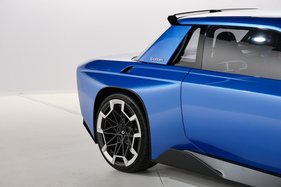
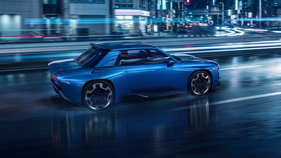
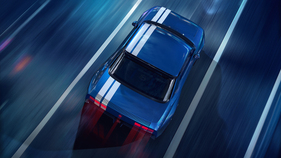
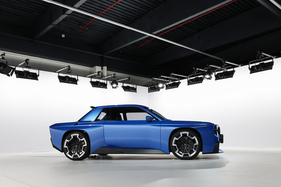
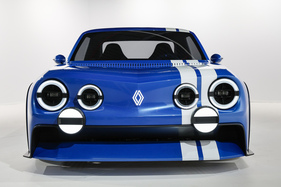
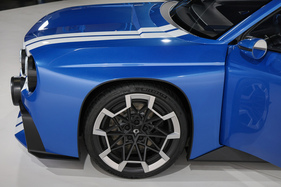
The Renault 8 Gordini Concept is 4.12 meters long, 1.88 meters wide, and 1.27 meters high, and is characterized by particularly compact and dynamic proportions. Equipped with 19-inch wheels in the front and 20-inch wheels in the rear, it sits as firmly on the road as modern rally cars. The two-door coupe is far more dynamic than the original four-door model; its aggressive front end is accentuated by the V-shaped design and six headlights.
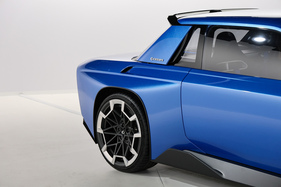
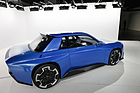
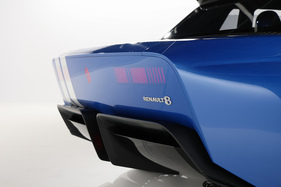
The rear is wide, muscular, and strongly sculpted—a design that emphasizes the rear-mounted engine and rear-wheel drive. The difference is that the concept car is powered by a 270 PS electric motor. This high performance is further emphasized by the slightly rearward-sloping rear section, which was absent from the original model.
Alexandre Malval, Vice President of Design at Renault, explains:
“The original Renault 8 was essentially symmetrical from front to back—a distinctive design that we’ve updated to give the concept car a more dynamic look. With its flowing lines, wide track, striking fenders, 19-inch wheels up front, and 20-inch wheels in the rear, it seems to literally hug the road. The fact that the rear wheels are larger creates a kind of visual momentum: a nod to the rear-wheel drive that was the hallmark of the original, which offered such an engaging driving experience.”
“Café Racer” Spirit
The Renault 8 Gordini Concept embraces the “Café Racer” trend, which is currently popular in the world of custom motorcycles. The idea is to modernize vintage motorcycles, strip them of superfluous elements, and showcase the raw beauty of the materials and mechanical parts to the fullest. The design of the Renault 5 Turbo 3E also followed this approach.
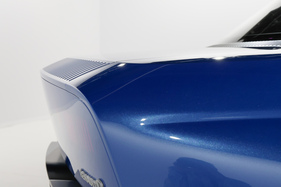
With this in mind, everything superfluous was removed from the Renault 8 Gordini Concept—even the retro decorative elements intended to pay homage to the design of the original Renault 8 Gordini. For example, the original’s chrome side moldings are now integrated directly into the body. As a striking line, it creates a sense of tension that seems to emanate from within the body.
In addition, numerous dividing lines have been removed to emphasize the vehicle’s clean, sculpted form. At the front, for example, there is no seam on the hood, which—just like on some race cars—can be removed in one piece.
With References to the Original
Although the concept car’s proportions bear little resemblance to the original model, many design features and hallmarks have been carried over in a modernized form.
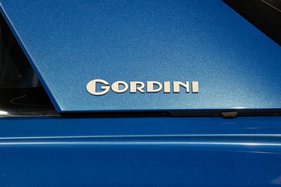
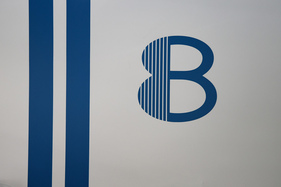
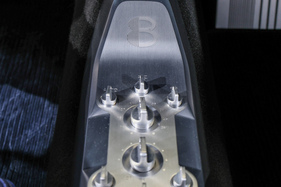
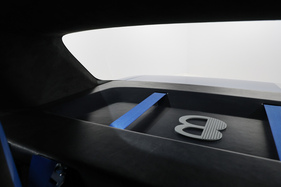
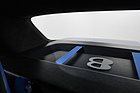
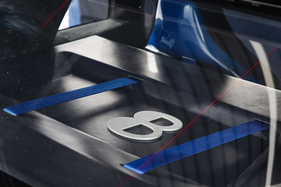
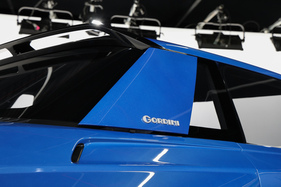
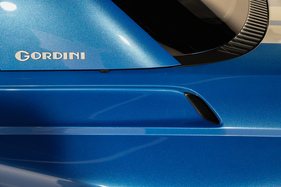
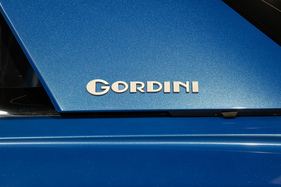
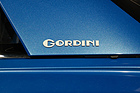
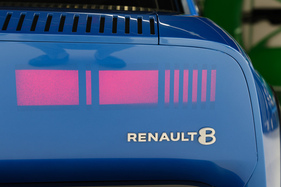
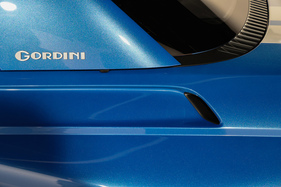
For example, the “Gordini” lettering has been redesigned and now features the stripes of the original emblem. The lettering is complemented by a new “8” emblem consisting of eight segments. These features reflect a love of detail while also evoking the design of machined parts from that era.
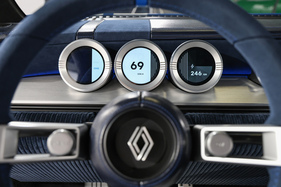
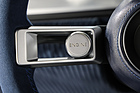
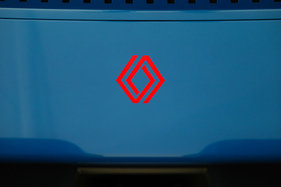
As a tribute to the rhombus logo that adorned the front of the original model, the interior features a crest that pays homage to the legendary “Gorde.”
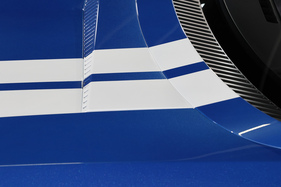
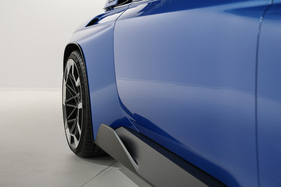
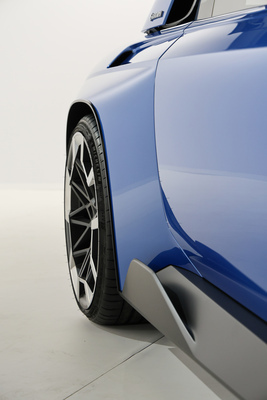
The recessed embossing along the waistline—a distinctive design feature of the original—has been carried over to the modernized version, where it now even serves a practical purpose by directing airflow toward a new ventilation opening.
The rectangular shape of the wheel wells is also modeled after the original to give the profile a more muscular look.
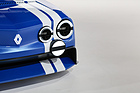
The front end continues to slice through the air; there is no radiator grille. The headlights on the rally version are now also integrated, forming a unified lighting signature with a total of six round lights.
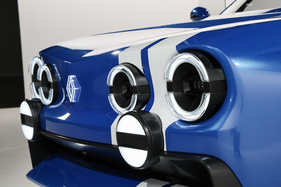
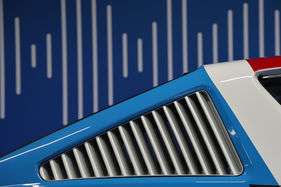
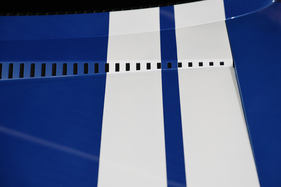
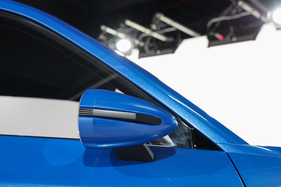
Further nods to the original include the shell-shaped side mirrors and the grille, which extends from the bottom edge of the windshield across the entire width of the hood. The rear air vent has also been retained—not only for functional reasons, but also for aesthetic ones.
With Double Stripes
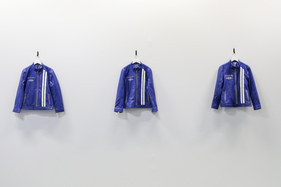
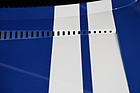
Originally a decorative feature, the double white Gordini stripe has become a structural element of the Renault 8 Gordini Concept. Several design elements are now aligned with these stripes, including the grille at the bottom edge of the windshield and the illuminated graphic pattern inside the taillights.
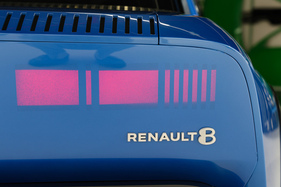
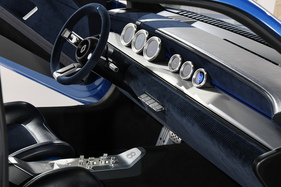
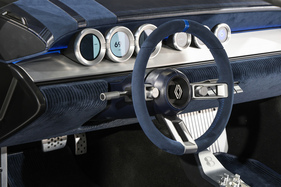
The double stripe even extends into the interior, where it runs across the top of the dashboard; the color transitions from white to blue.
An Interior with Clarity and Style
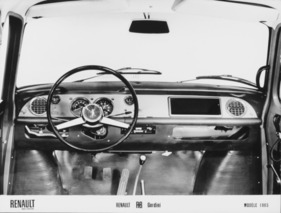
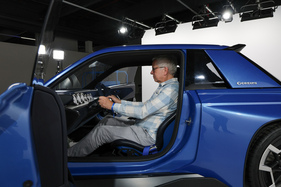
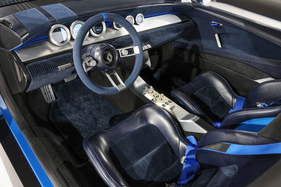
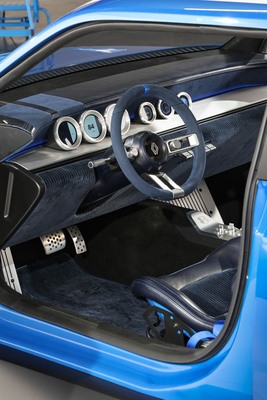
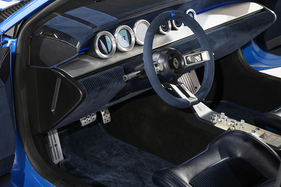
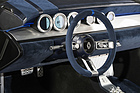
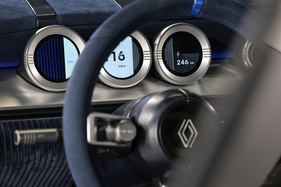
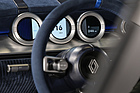
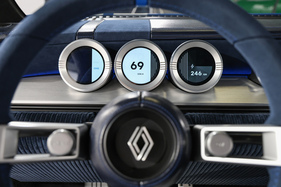
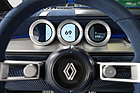
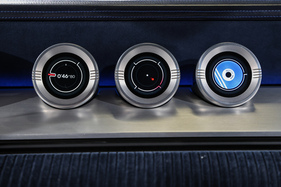
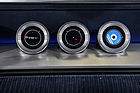
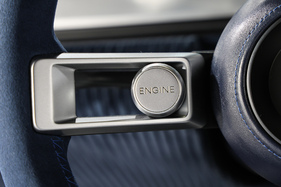
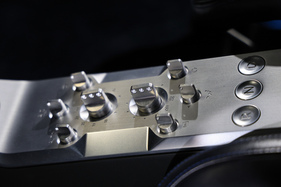
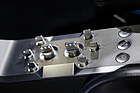
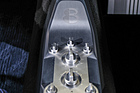
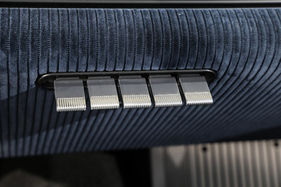
The Renault 8 Gordini Concept reinterprets the interior with a significantly bolder aesthetic than the original. While the dashboard still spans the entire width of the cabin, the round gauges are mounted on a horizontal strip of brushed aluminum; the wide bezels of the instruments echo the 3D design of the headlights. In keeping with the “café racer” aesthetic, plastic materials have been replaced with brushed aluminum. It is used for the controls and on large surfaces, creating a contrast with the areas upholstered in Alcantara®.
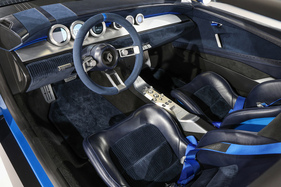
Thanks to this minimalist design, there is hardly anything left that could distract the driver. The focus is clearly on driving. The only eye-catching detail is the red dot on the stopwatch button in the center of the dashboard.
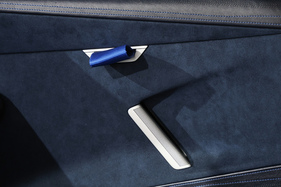
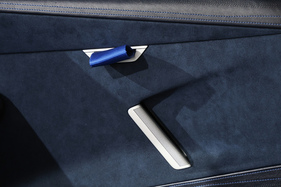
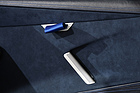
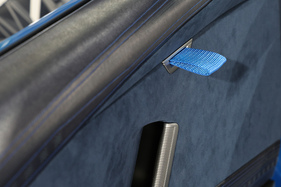
The decorative stitching on the Alcantara door panels is reminiscent of the curbs on a racetrack, while the bucket seats echo those of the previous model: The blue cord in the center of the seat cushion and backrest contrasts with the rest of the black parts of the bucket seat and is reminiscent of the old, flat seats without headrests.
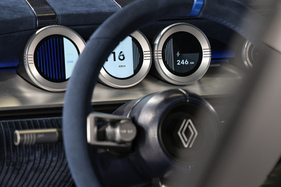
The carbon fiber used for the body is not used in the interior. The round gauges, which appear to float above the brushed-aluminum dashboard, are digital displays. They lend the interior a high-tech look, as does the indirect ambient lighting beneath the dashboard.
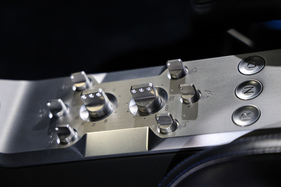
Interior designer Robin Biondi adds:
“We’ve kept the number of parts in the interior to a minimum and carefully designed each one. They’re part of both the structure and the trim. Nothing is superfluous.”
No Plans for Mass Production
There are no plans for series production. The response would have to be enormous to change that. In any case, the designers had complete creative freedom and did not have to consider potential mass production or the necessary homologations. Otherwise, the rapid development time simply wouldn’t have been possible. The two designers present at the preview told journalists that this had been a very inspiring and stimulating project and that they were grateful for so much creative freedom.
And we’ll probably never really know how the car drives—for now, at least, we’ll have to make do with renderings to get a sense of its dynamism...