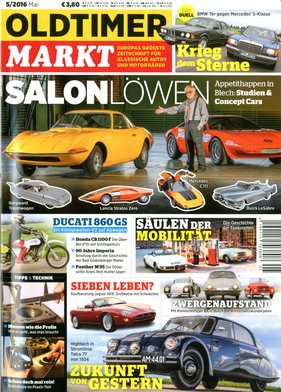
The latest edition of the Oldtimer Markt is here, as usual with a wide range of topics from show cars, the Tatar 77, a duel between the top models from BMW and Mercedes-Benz to the "also-cars" of the post-war period.
Salon Löwen
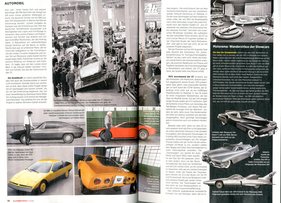
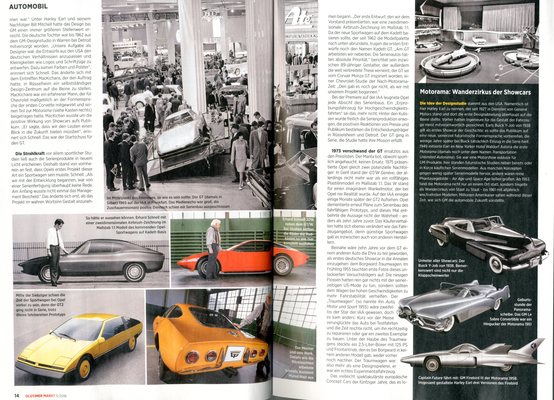
Show cars are designed to inspire dreams and give the public a taste of the future. Only very few go into series production. In the 1950s, the trend of keeping buyers interested with spectacular concepts came to Europe from the USA. Oldtimer Markt presents unforgettable highlights, unrecognized technology carriers and stylistic milestones, including of course the Opel Experimental GT, the first show car from Germany, as well as various Borgward dream cars, the Lancia Stratos Zero, the Mercedes-Benz C111 and the Buick LeSabre.
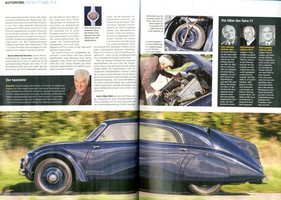
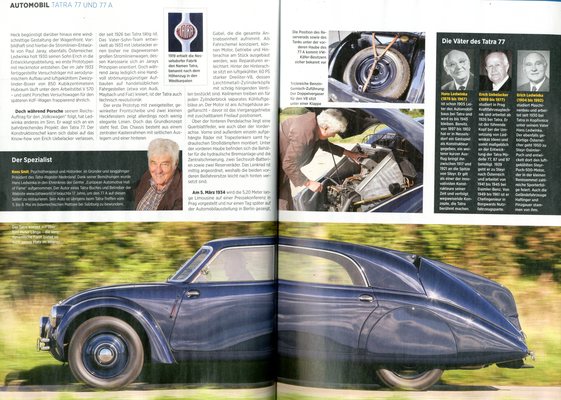
In 1934, the Tatar 77 appeared, which resembled the vehicles on the market in hardly any detail. Never again has there been such a design that involuntarily reminds one of a dinosaur - and was just as doomed to extinction.
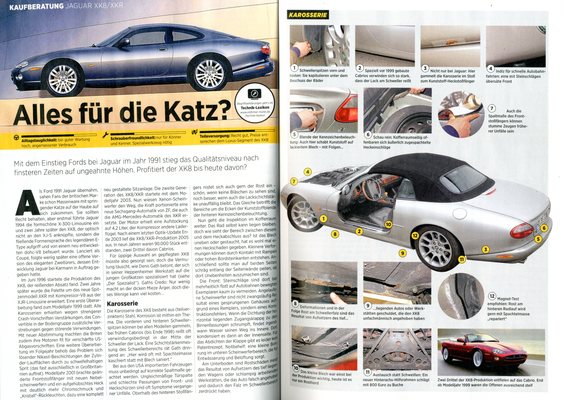
All for the cat?
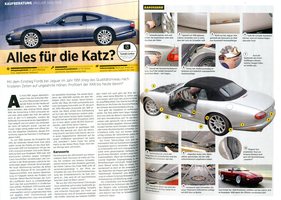
When Ford joined Jaguar in 1991, the quality level rose to unimagined heights after dark times. Has the XK8 benefited from this to this day?
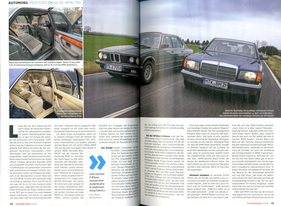
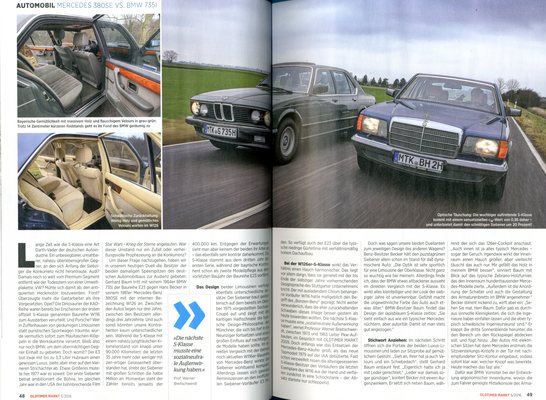
For a long time, the top model from Mercedes-Benz was out of competition. Until 1977, when BMW dared to attack the established S-Class with the first E23 model series. Today, almost four decades later, the classic car market pits the owners of the two spearheads of German automotive engineering against each other.
The little rascals
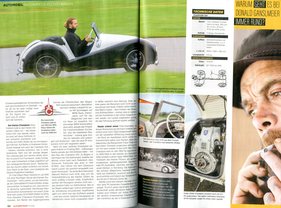
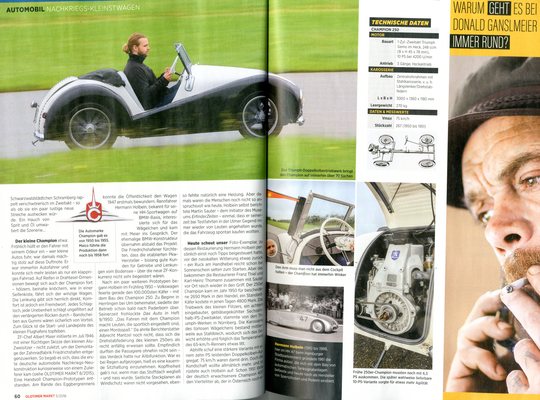
The VW Beetle shaped the image of post-war West Germany. However, this took a while, as it was initially affordable for very few people. Instead, numerous "also-cars" such as the Champion 250, the Kleinschnittger F125 and the Fulda-Mobil S 4 romped around on the cobbled streets.
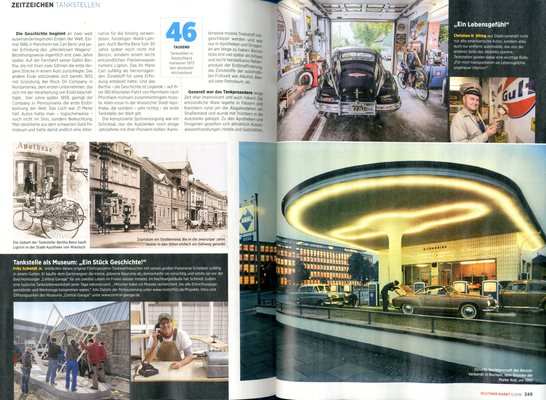
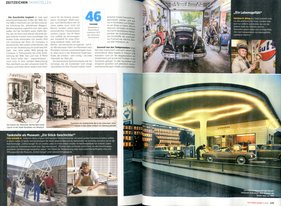
It is almost as old as the automobile. And it has had to reinvent itself just as often - the filling station. A highly inflammable path between crisis, cult and indispensability.