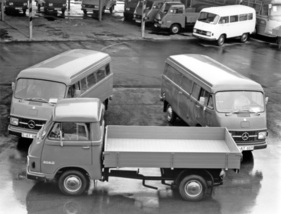








Start of production of the first Hanomag-Henschel light van in Bremen
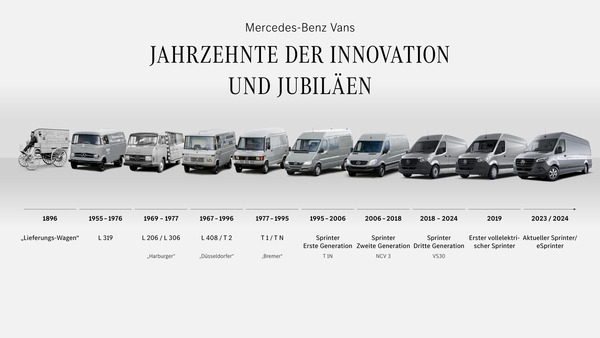
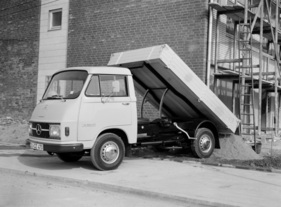
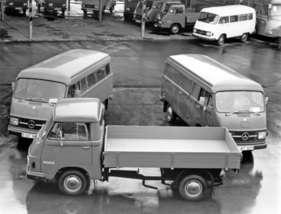
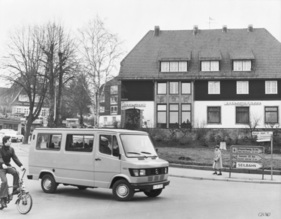
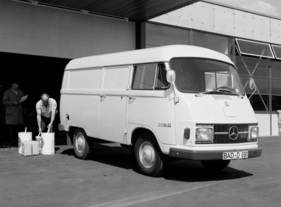
In September 1969, 55 years ago, the first Hanomag-Henschel light van rolled off the production line in Bremen at the former Borgward plant, after the plant had taken over the production of panel vans and station wagons of this series from the Hamburg-Harburg plant. At the same time, Daimler-Benz took over 51 percent of the shares and thus also marketed the vehicles under the name Mercedes-Benz L 306. At the turn of the year 1970/1971, Daimler-Benz took over the remaining shares from Hanomag-Henschel and continued to build the L 306 until 1977.
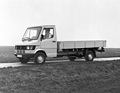
Last T1/TN Transporter rolled off the production line in Bremen
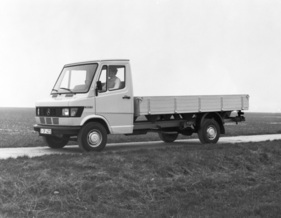
A good 40 years ago, July 19, 1984 marked the completion of the 290,958th and thus last van of the T1/TN series produced at the Bremen plant. This significant turning point heralded the end of Mercedes-Benz van production in Bremen: All production was now concentrated at the Düsseldorf plant, where the T1/TN had already been manufactured since 1980. From then on, Bremen was used exclusively as a passenger car plant. A further 660,000 vans of the series were to be produced at the Düsseldorf plant by 1995.
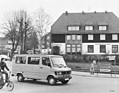
Model update of the T1/TN with new engines and improved aerodynamics
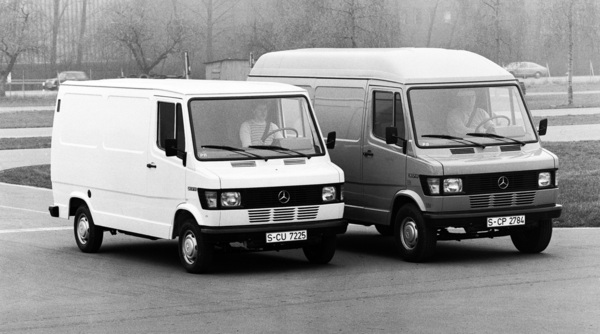
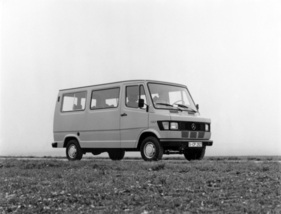
First presented in 1977, the T1/TN van was technically revised and improved for its new edition in March 1989, 35 years ago. During the revision, the engineers focused on three main goals: more power, higher speed and lower emissions. The two new engines were awarded the title "Diesel 1989". With this comprehensive model upgrade, the Düsseldorf plant brought the eventful 80s to a close. A total of around 900,000 vans had left the site since 1962.
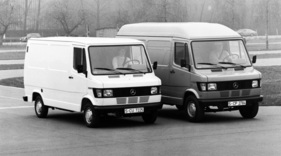
Externally, the changes could be seen in the cladding of the front window bars on the high-roof variants and the new bumper without slits. These external changes improved the aerodynamics by up to 25 percent, depending on the body, and led to greater streamlining, which significantly reduced fuel consumption. For example, a panel van with a flat roof achieved a reduction in fuel consumption of almost 23 percent at a constant speed of 100 km/h.
The T1/TN owed its success in numerous sectors above all to its versatility, including various side sliding and rear doors (opening angle: 90°, 180° or 270°), which were adapted to the Euro pallet dimensions. In total, the factory delivery program offered up to 252 variants.
The Sprinter takes over the legacy of the legendary T1/TN
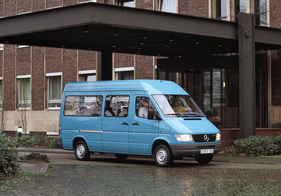
Almost 30 years ago, in 1995, the new van from Mercedes-Benz was a milestone in many respects. The Sprinter was the first commercial vehicle with a three-pointed star to bear a name instead of sober numbers and letters. It marked the start of a successful Mercedes-Benz product offensive for vans and celebrates its 30th anniversary next year.

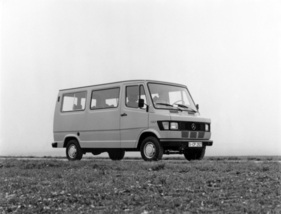
The Sprinter followed on from the Mercedes-Benz T1/TN, a true legend that was produced in almost one million units for 18 years. The new model only adopted its basic technical concept, everything else was revolutionized. The combination of a self-supporting body and high-traction rear-wheel drive, a modern chassis with independent front suspension, exemplary safety equipment and powerful engines was unique. Right from the start, the new van positioned itself as a genuine all-rounder thanks to its wide range of variants and options.
The updated Sprinter offers maximum flexibility and a significant increase in safety, comfort and digital connectivity. With the updated eSprinter, Mercedes-Benz Vans is also implementing the next stage of its electrification strategy. A triad of efficiency, range and load volume makes the all-electric van a versatile all-rounder.