

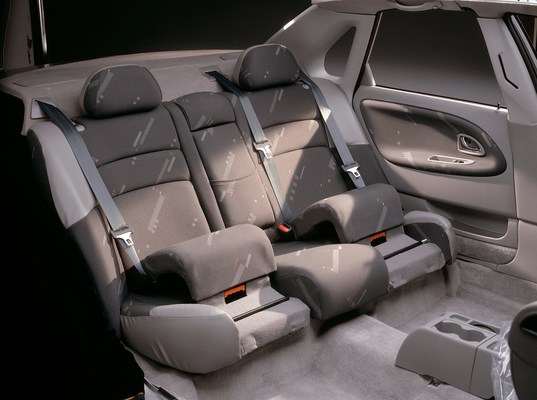
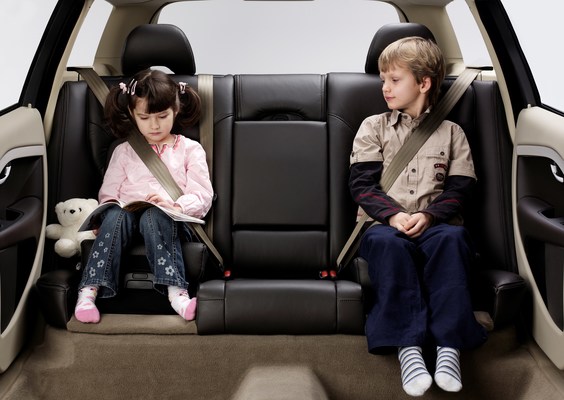
As unique as Volvo's 90-year success story is the Swedish premium brand's commitment to pioneering safety technology, which company founders Assar Gabrielsson and Gustaf Larson made a top priority right from the start. As early as 1959, Volvo was the first car manufacturer in the world to introduce the three-point safety belt as standard equipment. This milestone in safety technology, developed by Volvo engineer Nils Bohlin, has saved over a million lives to date and reduced the severity of injuries millions of times over. Now Volvo is celebrating further milestones in safety development.
50 years ago, the premium manufacturer presented the first swivel car seat in which small children could be transported facing backwards. 45 years ago, the first reboard child seat made its debut in the Volvo 144.
Recognizing the importance of special facilities for children early on
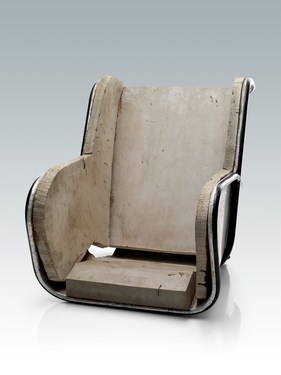
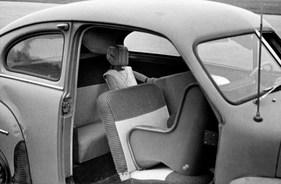
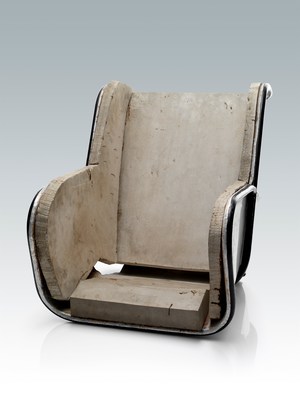
Volvo has always focused on human safety in all its innovations, and in particular the protection of the smallest and most vulnerable passengers. The Swedish premium manufacturer set the first significant milestone for the best possible child safety back in 1964 with the presentation of a prototype for a rear-facing child seat in the Volvo PV 544 "humpback".
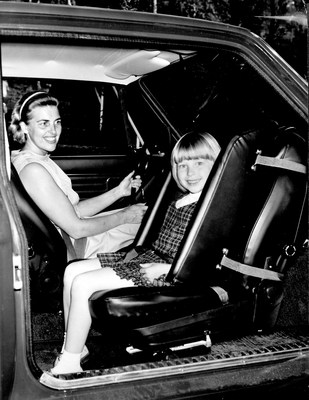
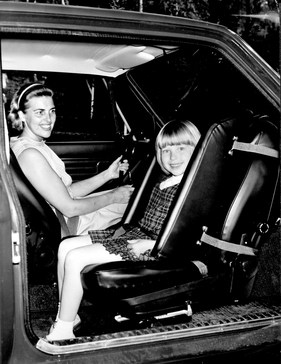
50 years ago, safe Volvo car seats for small children were offered for the first time as accessories for the Volvo PV 121 Amazon and Volvo 144 models.
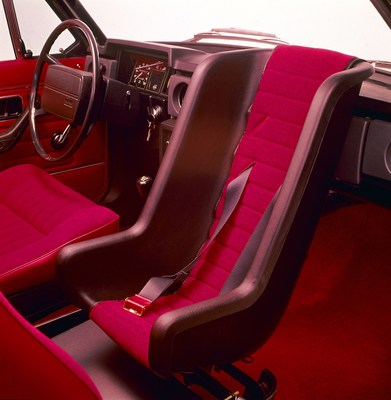
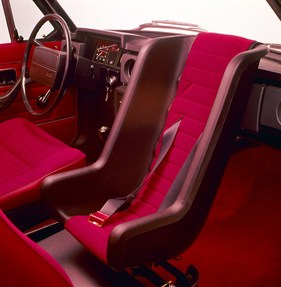
These were the world's first swivel front passenger seats with specially padded backrests for children aged between one and seven, allowing them to be transported in a rear-facing position. The little ones were secured by special lap and harness belts. In the next step, 45 years ago Volvo became the first car manufacturer in the world to launch its own rear-facing child seat in order to better absorb the forces that occur in the event of a collision.
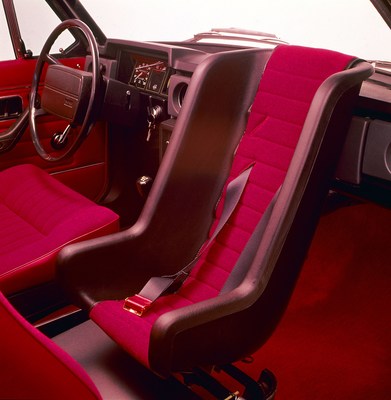
One of the most significant safety premieres ever in the automotive industry, initially available for the Volvo 144. After all, all Volvo safety tests and research over the past decades have come to the same conclusion: small children are safest when traveling in a car facing in the opposite direction.
Rear-facing child seats offer the greatest safety
In Sweden, rear-facing child seats became established much earlier than elsewhere. The positive consequences of this development can be seen in accident statistics. Figures from the insurance company Folksam show that the risk of a child being killed or seriously injured in an accident is five times higher in a forward-facing seat than in a rear-facing seat. Lotta Jakobsson, Senior Technical Leader at the Volvo Cars Safety Center and Technical Leader Interior Safety at Volvo Cars, explains at an event in Dresden: "At Volvo, we believe that car manufacturers should see the development of safety systems for children as part of the vehicle development process. Children are our future - and they should be offered only the best when it comes to safety."
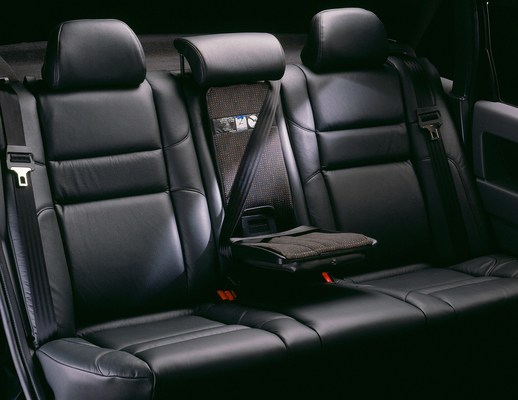
Why is rear-facing child transportation in vehicles so important? In a head-on collision, the head of a forward-facing vehicle passenger is thrown forward with considerable force. The only thing holding the head back is the neck. The neck of an adult can withstand this load relatively well, but the not yet fully developed neck vertebrae and neck muscles of a small child cannot. As frontal collisions are the most common and also the most serious type of accident, it is important that small children are transported in rear-facing seats: first in a baby car seat, then in a so-called reboard seat.
"The child seat has the task of distributing the forces resulting from an accident to the strongest parts of the child's body in the best possible way," explains Lotta Jakobsson. "Babies and small children should therefore be transported rear-facing for as long as possible - at least until they are four years old."