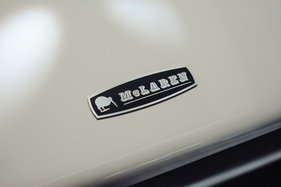
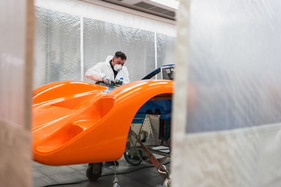
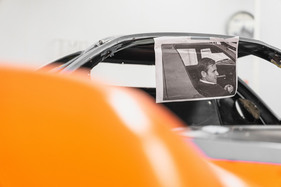
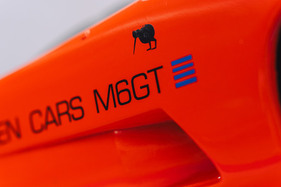

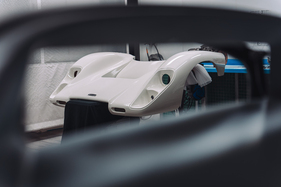



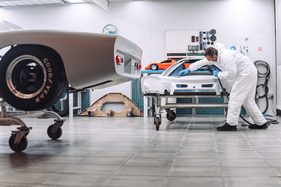

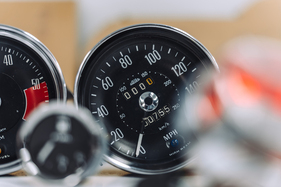
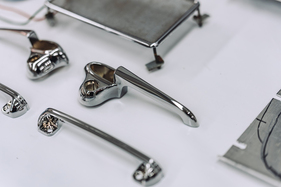
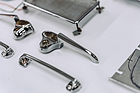
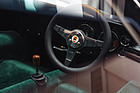
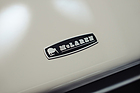
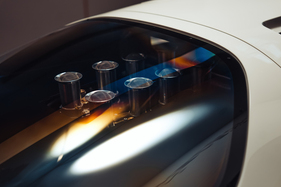
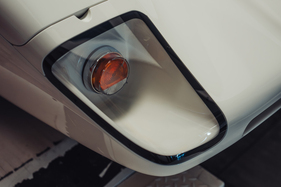

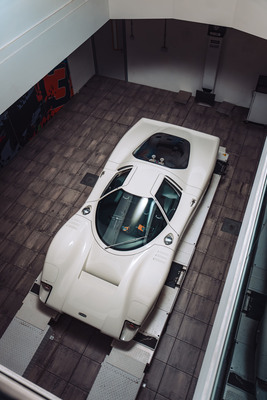

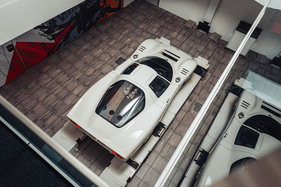
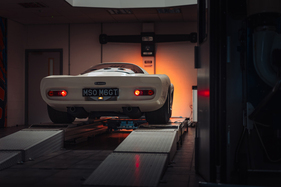
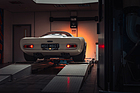
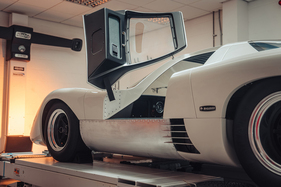
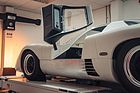
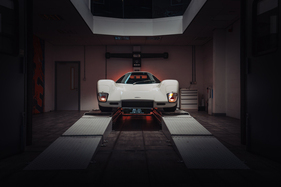
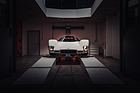
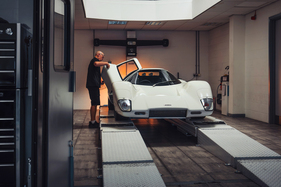
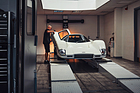
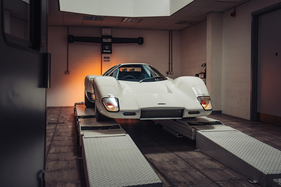
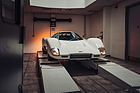
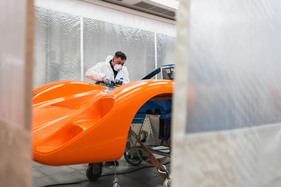
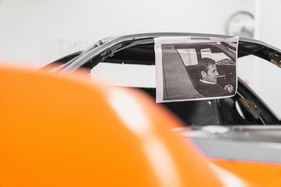
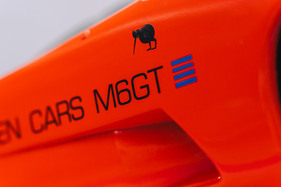
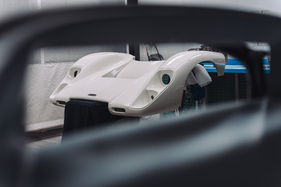
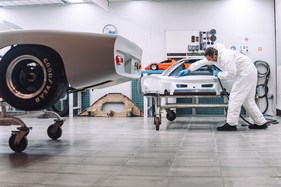
It was a dream of Bruce McLaren’s that the specialists at McLaren Special Operations (MSO) have now brought to life: the M6GT road-going version of the M6A, the prototype for the 1967 Can-Am season. Handcrafted using original body molds and authentic reference materials from McLaren’s archives, the M6GT combines McLaren’s racing heritage with the company’s achievements in road car manufacturing. The paintwork, finishes, and many details have been reworked and redesigned based on original materials and photographs to preserve authenticity. The M6GT will be unveiled at the 2026 Goodwood Festival of Speed.
“The restoration of the M6GT was a labor of craftsmanship and care for the MSO team, serving both as a technical training exercise and as a living reminder of Bruce’s ambition to take McLaren beyond the racetrack. “This car holds a unique place in our collection—a tribute to the company’s beginnings and a spiritual guide for its future,” announced Jon Simms, Director of MSO.
The Inspiration Behind the McLaren F1
The M6GT is the first expression of Bruce McLaren’s road car ambitions and is directly derived from the M6A racing program—its design is characterized by aerodynamic endurance racing elements, lightweight construction, and race-derived proportions. It marks the beginning of McLaren’s road car history, and Bruce McLaren used the first prototype as his personal vehicle. It took another 25 years for his vision of a production vehicle for customers—featuring a high-performance engine, gull-wing doors, and an aerodynamic silhouette—to be realized in the form of the McLaren F1. These early principles continue to shape the brand to this day.

Small-Block V8
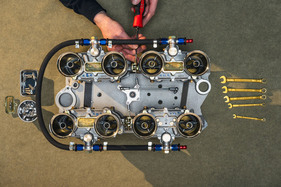
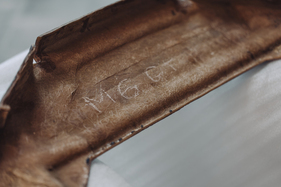
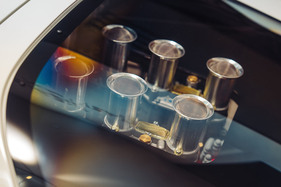
To ensure the highest level of authenticity, the M6GT is equipped with a period-correct engine—a small-block V8 with “camel hump” cylinder heads, built to the original specifications—and a period-correct transmission. The chassis is sourced from a genuine M6A race car, verified against historical McLaren reference vehicles, in keeping with the original vision. The body was recreated using original molds discovered in the United Kingdom. The investigation revealed evidence of historical modifications within the molds themselves—a silent testament to the design’s evolution during the original program—which allowed MSO to preserve the evolution of the form.
Original Parts Plus Newly Manufactured Parts
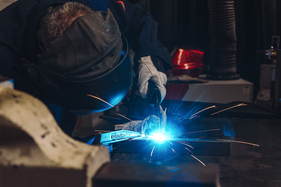
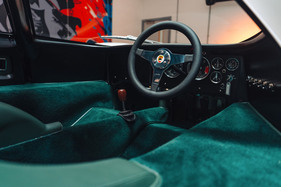
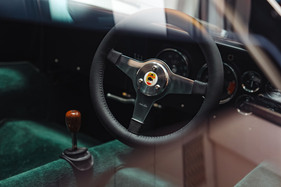
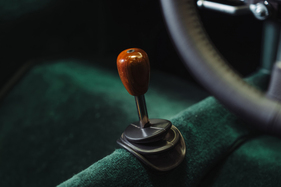
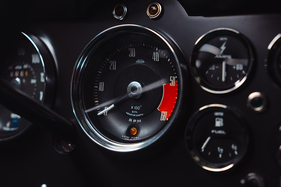
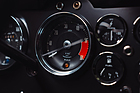
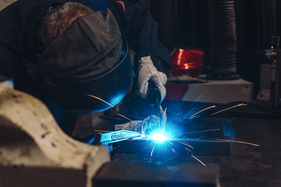
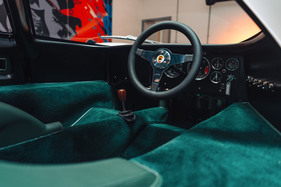
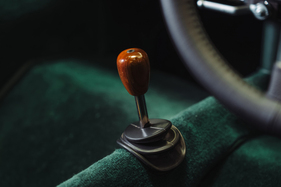
At the heart of the vehicle is the original cockpit, derived from the 1970s M6A race car, which serves as its emotional and physical center. Surrounding it, hidden structural elements were handcrafted by MSO specialists, including the roll bar, the rear frame support structure, the internal flap reinforcement, and the wiring harness. Inside, the cabin combines restraint with intimacy. The shift lever is a hand-turned solid walnut component, crafted as a bespoke piece of artistry to authentically replicate the original design, while the seats are upholstered in custom-made vinyl with heat-sealed stitching details in a matching shade of green—a subtle nod to McLaren’s racing heritage. Scans of the windshield shape were sent to a specialist supplier to replicate the unique profile of the M6GT’s custom-made design.
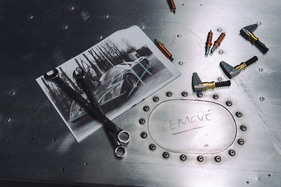
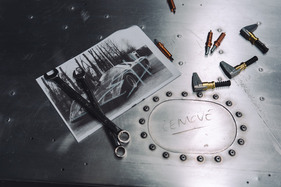
The suspension consists of original M6GT hardware that has been carefully restored and rebuilt. Many of its components required the procurement of imperial-sized bearings specified to standards that are no longer in regular production. Even the smallest fasteners were treated with the same care. Original-style closed-end aluminum dome rivets were used throughout, installed by qualified craftsmen from the aerospace industry.
White Paint and Green Interior
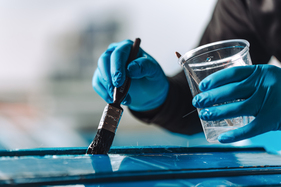
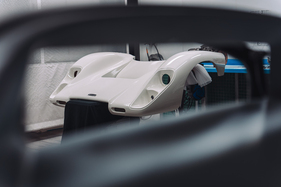
The unique restoration—partly a recreation—is painted in a custom cream-based white shade called Colnbrook, in honor of the factory where Bruce developed his road car concepts. It was located beneath the flight path to “London Airport,” later Heathrow Airport: Bruce wanted to be close to his day job without wasting a minute when flying to races around the world. The color scheme—with a white Colnbrook exterior and green interior—is inspired by the paint job on Bruce’s first McLaren Formula 1 car (the 1966 M2B), which was painted white with a green stripe—a personal signature from the founder on the machine.