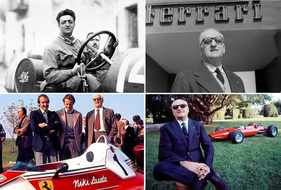





It was 1947 when Enzo Ferrari let the first racing sports car bearing his own name roll out of the factory gates. The Ferrari 125 S (Sport) already showed the characteristics that were typical of all Ferrari cars of the following decades, i.e. a V12 engine with ample power and a sporty design that was also suitable for winning in racing.
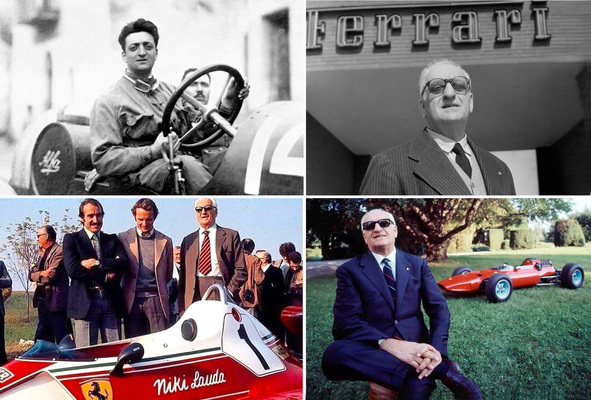
Enzo Ferrari also built road cars because they financed his involvement in motorsport. And this is how the "Commendatore" made it to the very top in motor racing. Ferrari cars were always a force to be reckoned with at Le Mans and the Mille Miglia, and soon also in Formula 1 and endurance racing in general.
As a tribute to the work of the car manufacturer Ferrari, Niki Hasler AG Basel is putting on an attractive special show at Auto Zürich with a selection of legendary Ferrari sports and racing cars. Some of the cars that will be on display in the halls of Messe Zürich from November 10 to 13, 2022 are listed below.
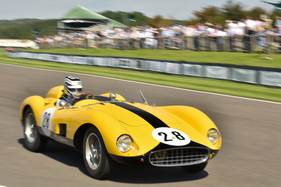
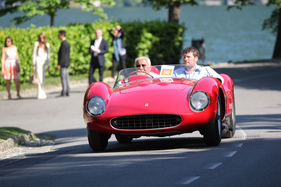
Ferrari 500 TRC from 1957
The 500 TR presented the year before had to be revised in order to comply with the new C-sector regulations of the International Motorsport Code, which came into force in 1957. The C in the name of the 500 TRC car refers to this fact. Scaglietti designed a new, lower, sleeker and more seductive body. The model was only used by customers in races and did not immediately win important victories.
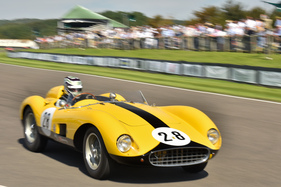
In 1957, however, the car triumphed in its category at the 12 Hours of Sebring and the 24 Hours of Le Mans.
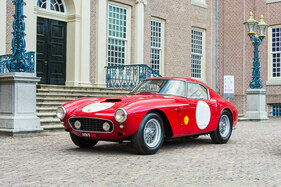
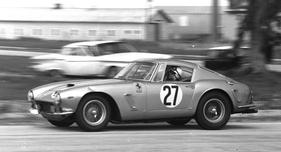
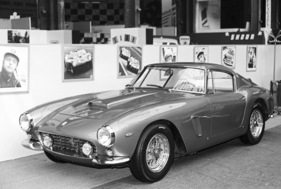
Ferrari 250 GT Berlinetta SWB from 1959
The 250 GT Berlinetta with a short wheelbase (passo corto), or 'SWB' for short wheel base, was presented at the Paris Motor Show in October 1959 and was the perfect road racing car.
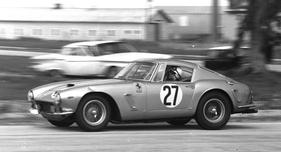
With just a few tiny modifications (lower temperature spark plugs, racing tires and a roll bar), the car was able to compete on all the world's racetracks and fight for victory in its vehicle class.
Ferrari 275 GTB Competizione from 1965
At least two prototypes of this model were produced in 1965. It is said that the body, as always designed by Pininfarina, was actually intended for the new Berlinetta. However, Enzo Ferrari decided against this and the cars that had already been produced were put into storage. They were later reworked and their weight reduced to make them fit for motorsport competitions.
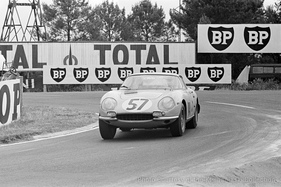
Eventually, they were entered in the Targa Florio, the 1000 km on the Nürburgring and, in 1965, the 24 Hours of Le Mans. In 1966, a small series was produced for customers with the same bodywork as the production model.
Ferrari F40 from 1987
The F40 was produced to celebrate the 40th anniversary of Ferrari. It was a high-performance Berlinetta designed by Pininfarina and made mainly of composite materials.
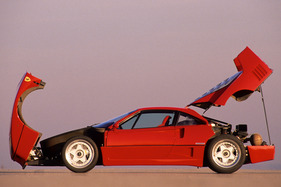
The high-performance engine with turbocharger, combined with one of the most advanced chassis of its time, made this car a vehicle that came remarkably close to a racing car
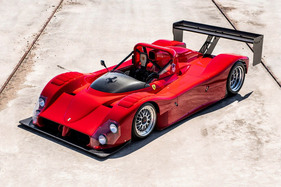
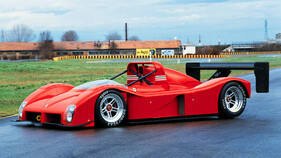
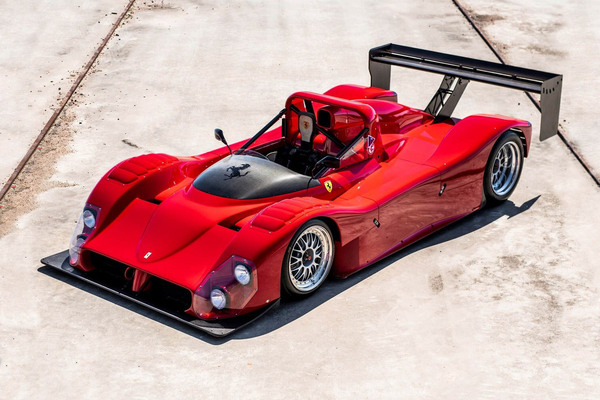
Ferrari 333 SP from 1994
The 333 SP was Ferrari's return to the sports prototype racing in which the brand had once built its reputation. The car was built to give the company's customers the opportunity to take part in sports prototype racing.
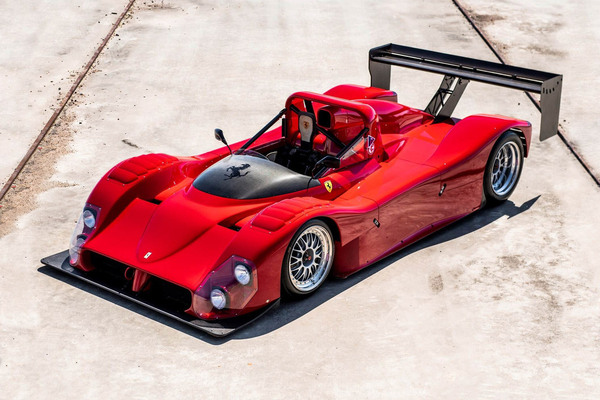
The first of these races for the F333 SP was the American IMSA Championship. The powerful V12 engine and the advanced chassis helped the car to a long and successful career on the most important race tracks around the world.
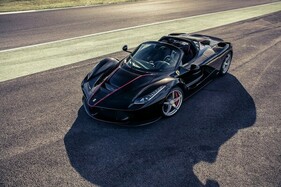
Ferrari LaFerrari Aperta from 2016
Ferrari's unique values are taken to a new level with the car launched in honor of the 70th anniversary of the company's founding. The LaFerrari Aperta was designed for Ferrari's most passionate customers and is the limited version of a special series.
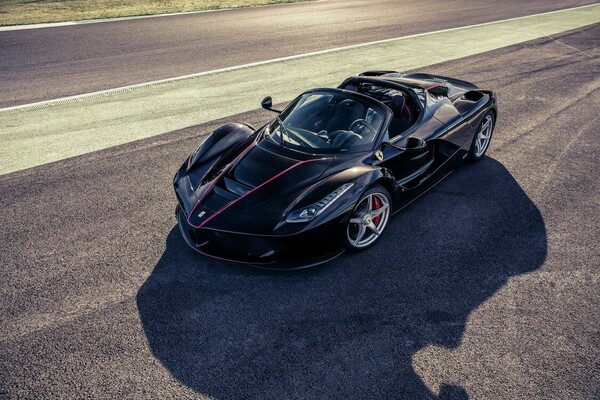
Only 210 examples of this open-top version of the celebrated LaFerrari super sports car were built.
Further information on the 35th Auto Zürich can be found on the event's website.