




Owners of cars built in 1987 should be delighted: Their previous youngtimers will become classic cars this year. The privileges for vehicles that are at least 30 years old and in a condition worthy of preservation include more favorable tax and insurance rates, as well as the opportunity to participate in many events.
Technical condition not always beyond doubt
But what about the technical condition of the "new" classics? The GTÜ Classic experts have taken a closer look at some of the most popular new arrivals, identified one or two technical defects and listed their strengths and weaknesses in a ranking.
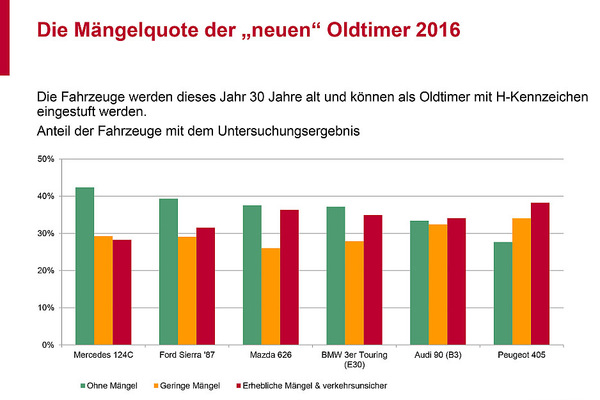
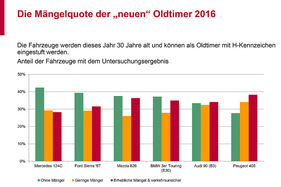
The Mercedes Coupé (124C) is the most defective of the "new" classic cars. Exactly 42.4 percent of the cars checked by GTÜ test engineers passed the HU "without any recognizable defects", closely followed by the Ford Sierra with 39.4 percent defect-free vehicles. In third place with 37.6 percent was the Mazda 626.
The Peugeot 405 is the absolute giant among the new models in the large family of classics, with a large proportion (38.3 percent) of vehicles with serious defects. More than a third (34.2 percent) of Audi 90 cars also have serious defects.
Some of the models are examined individually below:
Mercedes Coupé (124C) - over 40 percent defect-free
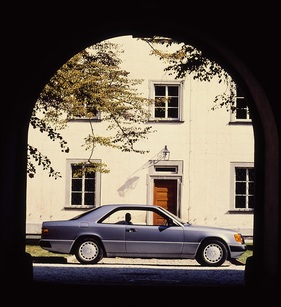
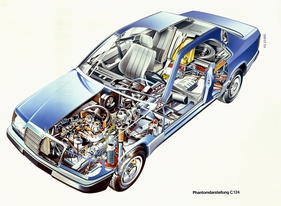
With its characteristic triangular rear lights, the saloon had already been on the market for almost three years when Mercedes brought the two-door version of the model series, which was renamed the E-Class in 1993, to dealers in 1987. The design differences were the reinforced floor assembly and pillars. The coupé body shape increased the glamor factor and also the price.
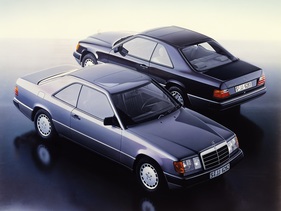
Of the vehicles examined by GTÜ, over 40 percent of the coupés were free of defects. Around 28 percent of this model had significant faults and 29 percent had minor faults. This puts the 124C in the top spot with the fewest technical defects among the "young oldsters".
Main defects: environmental pollution, lighting, electrics, axles, wheels and tires.
The second generation of the Ford Sierra - still almost 40 percent defect-free
Flatter headlights and finally ABS - this is how the second generation of the mid-range car from Cologne, which had long been decried as a pensioner's car, came onto the market in 1987. But the Sierra's rally successes speak a different language.
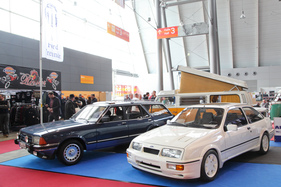
Just under 40 percent of the vehicles tested were free of defects. Around 32 percent had major defects and 29 percent had minor defects.
Main defects: environmental impact, chassis, frame, body, suspension, lighting and electrics.
Mazda 626 - third edition with over a third of vehicles with major defects
In the fall of 1987, the third edition of Mazda's flagship model, which had grown by ten centimeters, went on sale in Germany for the first time. Initially available as a hatchback and notchback, the car was lavishly equipped and had all-wheel steering. Only the diesel engine had not yet taken off: There was a single diesel engine in the 626, which only produced 60 hp.
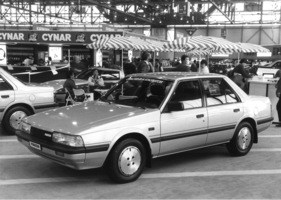
In the case of Mazda, cars with no faults and those with significant faults are just about evenly balanced (37.6 to 36.4 percent). Only 26 percent are on the road with minor defects.
Main defects: chassis, frame, superstructure, braking system, lighting and electrics.
BMW 3 Series Touring (E30) - definitely cause for concern
To date, estate cars have not exactly been a BMW trademark. However, with the internally named E30/5, the Munich-based company opened a new chapter, the success of which opened the door for the Touring, which was later officially introduced in the 5 Series. The interior was considered as fine as it was practical. Some of the rather powerful engines were available with all-wheel drive.
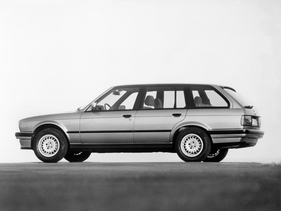
In the 3 Series, more than a third of the cars are classic cars with no defects. However, around 35 percent have serious faults and around 28 percent have minor faults.
Main defects: environmental pollution, lighting, electrics, axles, wheels, tires and suspensions.
Audi 90 (B3) - two thirds have minor or serious defects
In April 1984, Audi launched the version of the Audi 80 with numerous amenities and extras as the Audi 90. Three years later, the second generation (Type 89) followed with better equipment, chrome trim, different lighting and more powerful engines. These included a five-cylinder engine with a displacement of 2.3 liters and up to 70 hp.
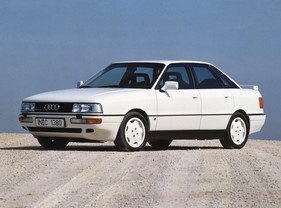
For this model too, the number of vehicles with serious defects and without defects is almost equal (34.2 to 33.4 percent). Around 32 percent have minor defects.
Main defects: environmental pollution, lighting, electrics and braking system.
Peugeot 405 - bottom of the league in terms of freedom from defects
With its streamlined design, which was perceived as very modern at the time, the saloon joined the middle class. The engines in particular were considered to be long-lasting. In addition to a fairly wide range of 1.4 to 2.0-liter engines from 64 to 158 hp, all-wheel drives were also available.
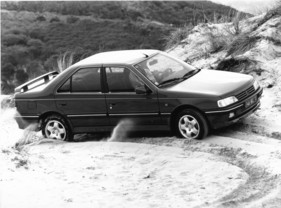
By far the worst performer among the "new oldtimers" tested by the GTÜ experts was the 405. The engineers found serious technical defects in over 38 percent of the vehicles. Exactly 34 percent had minor defects. Only just under 28 percent of this model was certified free of defects.
Main defects: environmental impact, chassis, frame, body, lighting, electrics and brakes.
The advice of the GTÜ Classic experts: Before buying a classic car, it is essential to have the desired vehicle checked by a specialist (also at a GTÜ test center) and thus save money, time and trouble.
More information on this topic can also be found on the GTÜ website itself.

