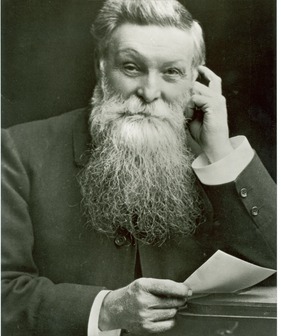
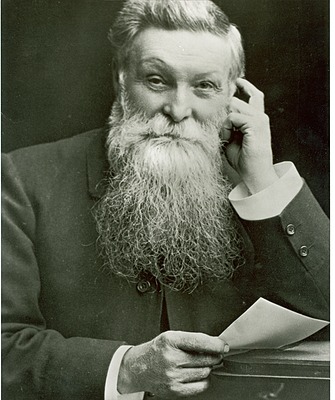
A small invention laid the foundation for modern mobility 125 years ago. On February 28 , 1888, John Boyd Dunlop invented the pneumatic tire, the basic principle of which is still used today.
Groundbreaking invention
As banal as the invention that air carries our vehicles is today, it was groundbreaking at the end of the 19th century. The trained veterinary surgeon from Belfast did not have his sights set on revolutionizing an entire industry.
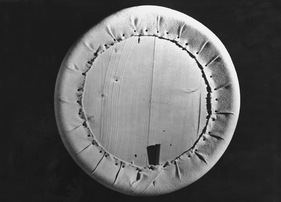
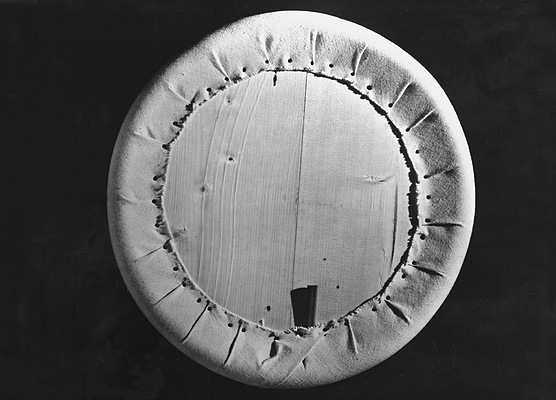
Rather, his son Johnny complained about the sluggish progress of his new tricycle. Without further ado, his father glued an inner tube from a thin sheet of rubber, pulled it onto a wooden disk, covered it with a strip of canvas, used a pacifier as a valve and inflated it with a soccer pump. The first pneumatic tire was born.
This not only laid the foundation for the rapid expansion of mobility, it was also the beginning of a global company that has been characterized by innovations, new technologies and successes in motorsport for 125 years now.
The birth of the pneumatic tire
On February 28, 1888, the new tricycle was ready and son Johnny tested the new vehicle late into the night. The next morning, they both checked the tires for damage from the stones lying around everywhere. But the new air-filled tires looked flawless. The son's enthusiastic reports and 60 miles without a puncture with the new invention confirmed the father's belief in the success of his invention and on July 23, 1888, he submitted his invention for a patent.
Success with the mummy tire
The spirit of invention and ambition was ignited and Dunlop's pneumatic bicycle tires celebrated their first competitive success at the Queens College Sports Games in May 1889. The bicycle tire again used canvas as a cover, which was pulled through the spokes. The strange appearance gave the tire the nickname "Mummy Tyre". William Hume, who was regarded as a rather average cyclist, started with the new development and won all his races, even though the competition seemed clearly superior on paper.
The leap to the mainland
Together with Harvey du Cros, Vice President of the Irish Cyclists' Association, John Boyd Dunlop founded "The Pneumatic Tyre and Booth Cycle Agency Ltd." in 1889. In the early years, the company concentrated on the bicycle tire business and the business quickly flourished and expanded.
As early as 1893, "The Dunlop Pneumatic and Tyre Co., GmbH" was founded in Hanau and construction of the first tire factory on the European mainland began. From 1902 until today, car tires have been manufactured at the Hanau plant - today under the company name Goodyear Dunlop Tires Germany.
125 years of success, innovations and impulses for the industry
Since the invention of the pneumatic tire by John Boyd Dunlop, the company has repeatedly attracted attention with new discoveries, developments and impressive motorsport successes.
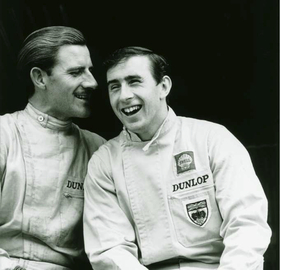
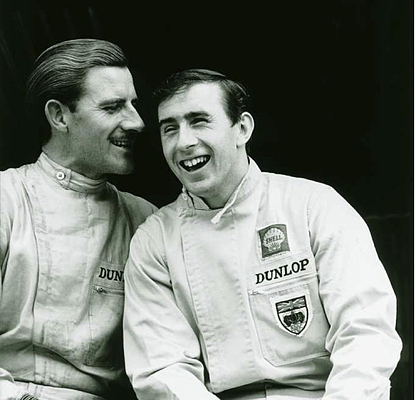
Dunlop's motorsport history began in 1902 with the Paris-Vienna race, which was won by Marcel Renault on a Dunlop. The first victory in the 24 Hours of Le Mans was celebrated in 1924 and in 1969 Jackie Stewart became one of the many Formula 1 world champions on Dunlop, to name just a few successes.
Many innovations also followed in the field of tire development, such as the introduction of the first steel bead tire for passenger cars in 1922, the first puncture-proof tire/wheel system DENOVO in 1973 or the tire pressure warning system "Warnair" as the first system without sensors in the tire in 1999.
Aquaplaning or how the tire loses its grip
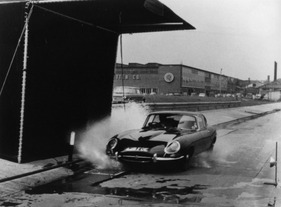
The discovery of the aquaplaning phenomenon in 1960 caused a particular stir. Although the situation of a vehicle suddenly becoming uncontrollable on a very wet road was known, it could not be explained. Dunlop technicians got to the bottom of the phenomenon and named it aquaplaning.
It was only with this insight that the tread designs we know today were introduced, which drain water from the contact patch much more efficiently and thus prevent the formation of the dangerous water wedge.
A comprehensive report on the history of vehicle tires is published on Zwischengas.