


Audi Tradition is celebrating two V8 anniversaries at this year's Techno Classica, which takes place from April 10 to 14, 2013: 25 years of the Audi V8 and 80 years of the Horch V8.
The Horch V8
In February 1933, Auto Union presented a Horch with a V8 engine for the first time at the Berlin Motor Show. The power unit with a cylinder angle of 66 degrees produced 70 hp from a displacement of 3 liters. The "small" Horch was designated the Type 830 in accordance with the number of cylinders and displacement. A 4-speed gearbox with center shift transferred the power to the driven rear rigid axle. The convertible bodies came from Gläser in Dresden, among others.

As early as 1934, the displacement of the Type 830 B increased to 3250 cc and the front axle was fitted with independent suspension. In 1935, the displacement was further increased to 3517 cc; the engine output rose to 75 hp. The long wheelbase chassis - Horch 830 BL - was also fitted with a rear double-jointed axle.
In 1937, the 3.5-liter engine was upgraded to 82 hp by installing two twin carburetors. Parallel to the Type 830, the Horch 930 V with a slightly shorter wheelbase and more modern bodywork was launched in the same year. From 1938, both models received a 3.8-liter engine as the final evolutionary stage, which achieved a maximum output of 92 hp.
From the Horch V8 to the Audi V8
55 years after the first Horch V8, the brand with the four rings let the distinctive "V8 roar" be heard again. In the fall of 1988, the Ingolstadt-based company launched the Audi V8, Audi's first luxury-class model with a 3.6-liter four-valve V8 engine. The car, which was originally to be called the Audi 300, was based on the basic body of the Audi 200. With its powerful engine and quattro drive, it immediately established itself successfully in the luxury class.

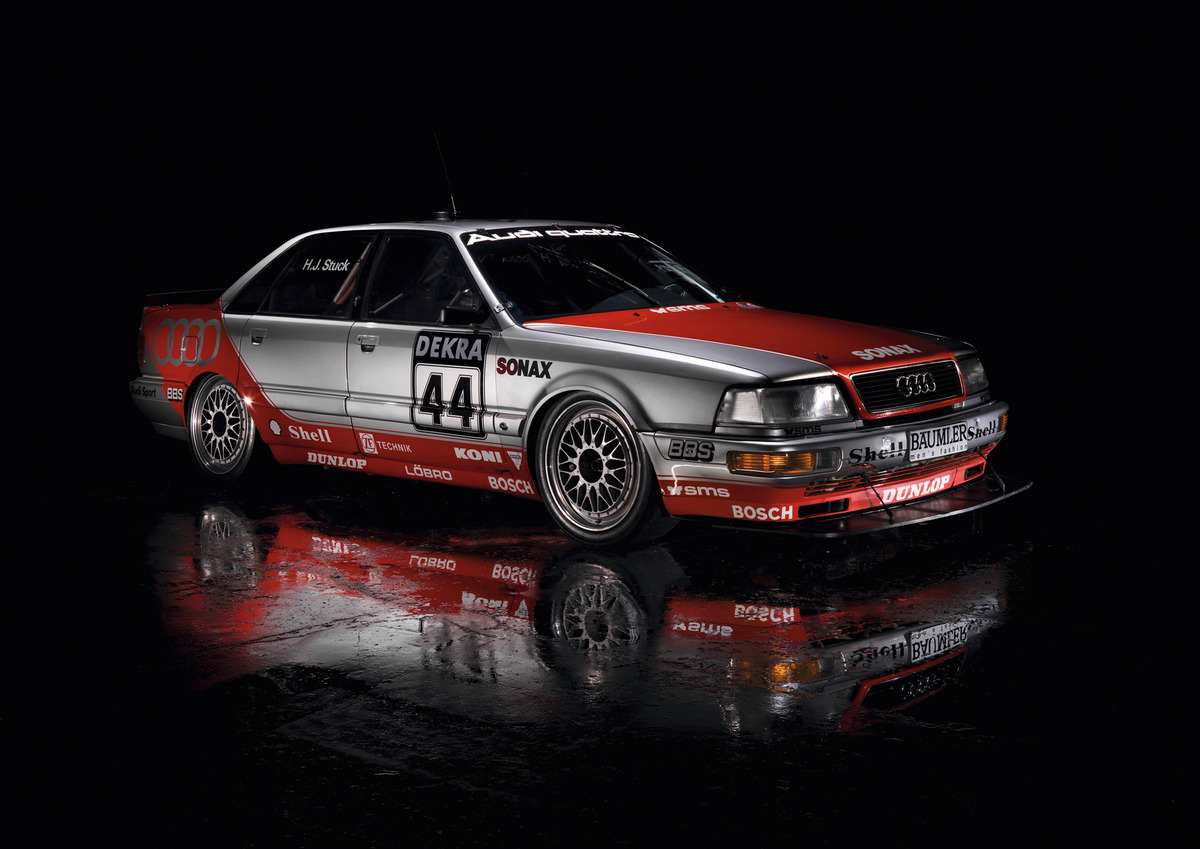
The V8 quattro DTM, with which Audi entered the German Touring Car Championship (DTM) in 1990, was based on the V8 production engine. Hans-Joachim Stuck faced the competition for the first time with a V8 quattro - at the end of a magnificent season, he was able to drive home the championship for Audi. In the following year, 1991, the Audi team even managed a quadruple victory in two races. This time, the DTM title went to Frank Biela. With a modified crankshaft, which was approved by the sports authorities at the time, the V8 quattro returned to the starting grid in 1992. A few months later, this shaft was no longer considered compliant with the rules - a reason for Audi to end its highly successful DTM involvement up to that point.

Extensive V8 show in Essen
Audi Tradition is expected to present seven V8 vehicles and three engine exhibits at the Techno Classica:
- Horch 830 BK Cabriolet from 1934 with bodywork by Gläser from Dresden
- Horch 930 S from 1939, a six-seater streamlined limousine with outstanding aerodynamics
- Audi V8 from 1988 - the first luxury class model from Audi
- Audi V8 Avant from 1989 - a luxurious one-off
- Audi V8 long-wheelbase version - luxury version with long wheelbase built by Steyr-Daimler-Puch in Graz on behalf of Audi
- Audi V8 quattro DTM - Hans Stuck's 420 hp winning car from the 1990 season is on display in Essen
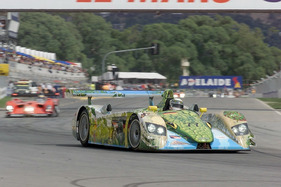
- Audi R8 "Crocodile" from 2000 - Audi started the last ALMS race of the season in Adelaide, Australia, in December 2000 with an absolute eye-catcher. Inspired by the Australian film comedy "Crocodile Dundee", Audi designer Frank Lamberty transformed the R 8 into a work of art
The Audi museum mobile from Ingolstadt and the August Horch Museum Zwickau will also be represented on the Audi stand; employees from Audi Tradition parts will be on hand to provide information on classic spare parts.
Further information on Techno Classica can be found on the siha website.

