"Car colors have a long history. It began around 1895 in Paris, where automobiles first appeared as leisure and racing vehicles for the rich. Right from the start, the new car owners preferred glossy paintwork, as had long been the case for expensive carriages. Visual tuning also appeared with the first cars. Some owners decorated their cars with decorative lines, ornaments or coats of arms.
Come with us on a journey through 120 years of car color history."
This is how a poster at the beginning of the special exhibition "Colors" welcomes visitors. And it doesn't promise too much, because the exhibition is interesting, entertaining and informative.

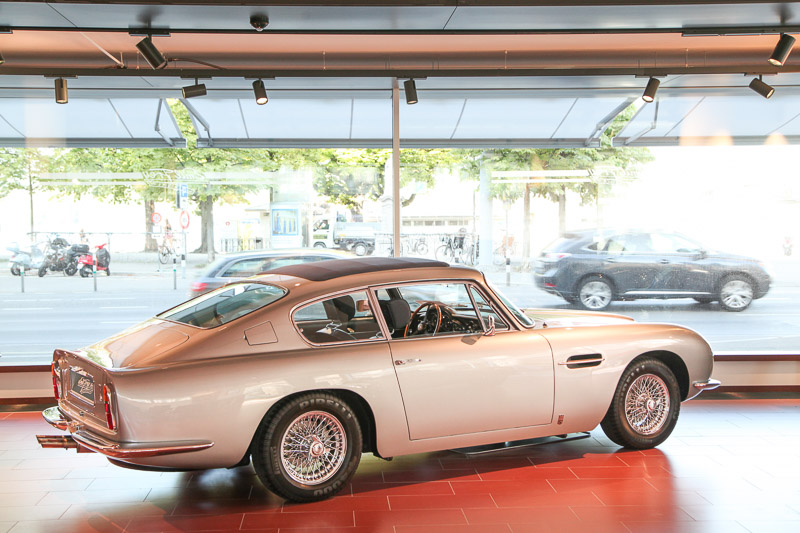
The 32 automobiles on display in a wide variety of paint finishes, which in principle allow a journey through 120 years of automobile construction, naturally contribute to this, as the oldest car dates back to 1901. One of the vehicles on display bears witness to almost every decade and the color schemes are always labeled as far as possible.
Colored early on
Although the early Ford Model T were all black, even the successful mass manufacturer had to follow the needs of its customers at some point and also offer more colorful models.

And for those who could "only" buy a black model, accessory companies offered paint colors in various shades to retrofit themselves, as a plaque in the exhibition proclaims.
Colorful once modern
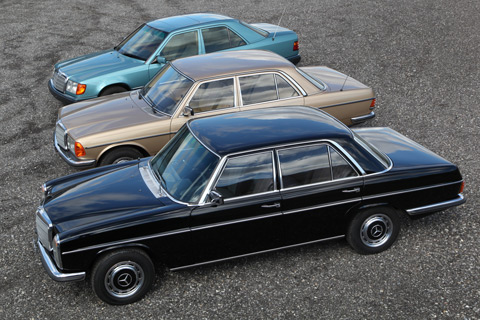
If you look at today's roads and parking lots, you will mostly see cars in white, gray or black. This was completely different in the sixties or seventies. People bought a Mercedes-Benz in light blue, an Alfa Romeo in green or a Lamborghini in yellow.

The exhibition shows this colorfulness not only with the cars, but also with the accompanying illustrative material, most of which is on the floor and can be viewed in the context of the cars on display.
Educational
You can learn a lot on a tour of the exhibition, for example about the technology behind the colors and about trends over the decades. For example, the 1939 Wolseley Ten was only available in black, bronze and grey, while Citroën offered the 1959 DS in over 30 color combinations.

Also of interest are the many contemporary documents that impressively illustrate the colorfulness of the different eras.
For the whole family
The exhibition organizers have come up with a number of ideas to make a visit to the special exhibition varied and entertaining. And there is no need to worry about "information overflow". There is just as much documentation on offer as is necessary and useful.
There are extra puzzles and coloring sheets for the little ones, but adults can also do a bit of detective work if they want.
The special exhibition "Colors" at the Emil Frey Classics Museum in Safenwil can be visited until December 31, 2023.

To pique the curiosity of our readers, we are not showing all the exhibits in the exhibition in this visit report. We recommend viewing the rest and the extensive explanatory texts and illustrations in person on site. It's worth it, because the 32 cars alone are worth a visit.