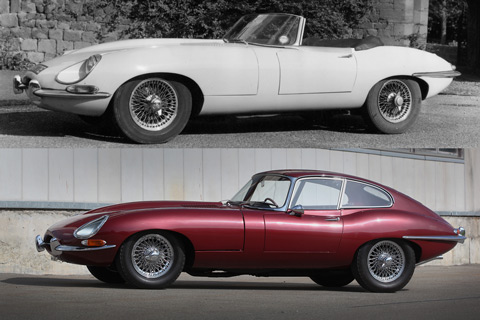
A well-documented history is becoming increasingly important for classic cars


You have only
2 out of 9
images seen in high resolution



Summary
As prices rise, the gold-rush mood among classic car owners and dealers grows. However, the more or less short-term profits to be made and the large amounts of money involved in the classic car trade also lead to attempts at fraud and forgery. In order to protect yourself from fraud and unjustifiably high investments, a complete and cleanly documented history of a vehicle is a valuable tool and a form of reinsurance. In this interview, Martin Schröder explains how this history is prepared.
Estimated reading time: 5min
Preview (beginning of the article)
As prices rise, the gold-rush mood among classic car owners and dealers grows. However, the more or less short-term profits to be made and the large amounts of money involved in the classic car trade also lead to attempts at fraud and forgery. Time and again, for example, two vehicles with identical chassis numbers appear on the market, and time and again collectors come across fakes and replicas. In order to protect yourself from fraud and unjustifiably high investments, a complete and cleanly documented history of a vehicle is a valuable indicator. The example of the rediscovered "Porsche P1" (with the subsequently stamped P1 insignia reported in the press) in particular shows the importance and accuracy of a traceable history.
Continue reading this article for free?
Images of this article