Sebring International Raceway is one of the world's great classic race tracks and is also the oldest race track in America. The first endurance race took place here on December 31, 1950 with the Sam Collier Six Hour Memorial, followed by the legendary 12 Hours of Sebring in 1952.

Legendary
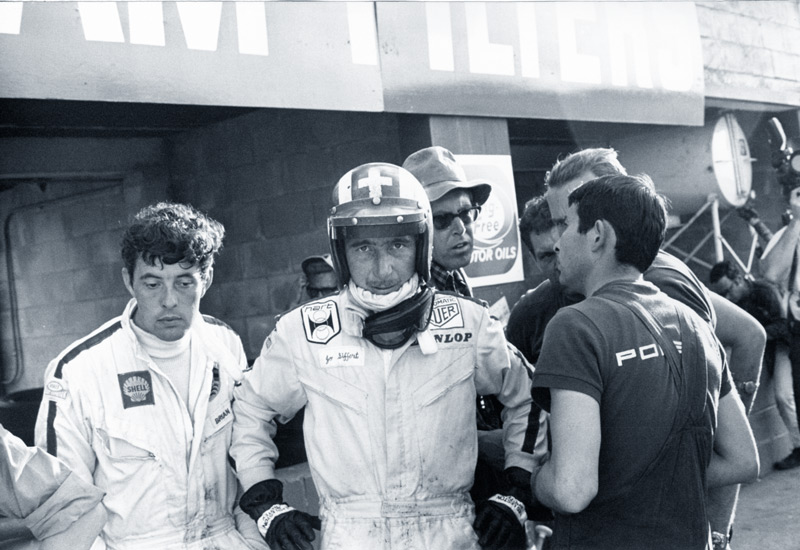
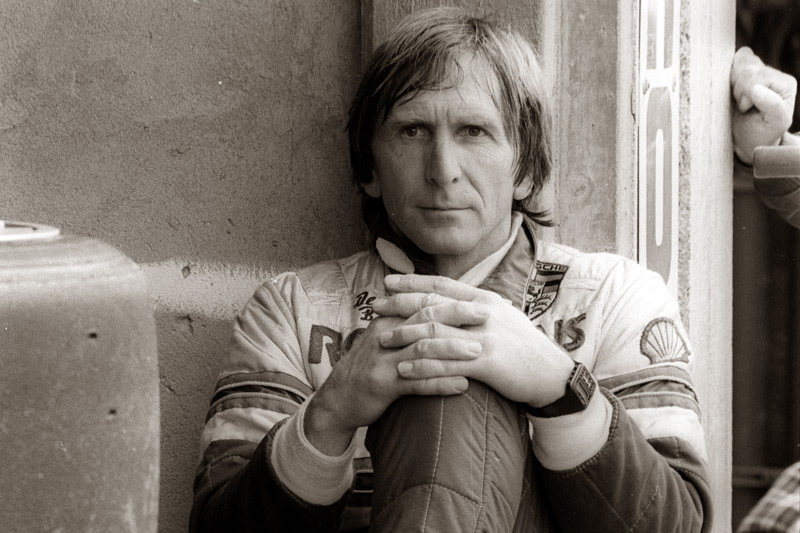
For years, Sebring was a fixture in the World Endurance Championship. The list of winners includes racing greats such as Fangio, Moss, McLaren, Gurney, Vaccarella, Redman, Ickx, Andretti, Hans Hermann, Jo Siffert, Hans-Joachim Stuck, Klaus Ludwig, Jo Gartner, Hans Heyer, Jochen Mass and many more.

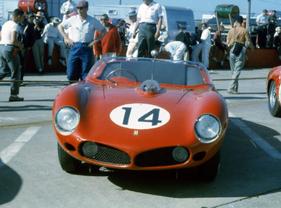
Porsche celebrated one of its first major international successes at Sebring in 1960 with the RS-60 (Hans Hermann/Olivier Gendebien); 18 more victories were to follow at Sebring.
Premiere
This year, the Classic 12 Hour at Sebring took place for the first time. The idea of HSR (Historic Sportscar Racing) to hold a historic race at Sebring in addition to the Daytona 24 hours Classics was very well received. The number of spectators was correspondingly high; never before has an HSR event been as well attended as this 12-hour race at Sebring. Jochen Mass, who swept a Ferrari Daytona around the track, also enjoyed the absolutely relaxed atmosphere.

Airplanes too
Under the motto "Pistons & Props", not only vehicles but also wonderful old warbirds came together for three days at Hendrick's Field Airport. Before racing cars started doing their laps at Sebring, the site served as an airfield.

The 195 historic race cars were divided into five age groups that competed four times for 42-minute race segments over three days of racing. The teams that covered the furthest distance in the four races were named the first "HSR Classic 24 Hour Champions".

Competitions in six groups
Group A consisted of sports cars from the sixties and impressed with speed and exhaust concerts. The Lola T70 (starting number 10) of Gerard Lopez and Frantz Wallenborn, driven by the Art & Revs team from Luxembourg, was able to hold its own just ahead of the Lola T70 (starting number 77) of Toni Seiler from Switzerland.

The Group B title, in which racing cars from the 1970s competed, went to John Harrold and racing pro Randy Probst in the Chevron B23/36 (starting number 94), with Gilles Boyer and Franck Rave in the Porsche 914/6 GT coming second and Jerry Peters and Brady Refenning finishing third in their Porsche 914/6 GT (starting number 8).

Group C/D was led by the iconic Riley & Scott Mk III (#4), with Rick Carlino and Derek Jones up against Hamilton Harris and Hunter Harris in the Lola B2K/40A. However, the Harris brothers stopped in the fourth stint as their fuel tank was empty.

In the almost modern Group E, Le Mans winner Richard Bradley and his team-mate David Porter took victory in the Pescarolo Judd LMP (starting number 18). The race for second place was won by Juan Gonzalez and Butch Leitzinger in the Oreca FLM09 (start number 52). Travis Engen in the Audi R8 LMP (start number 2) finished the race in third place.

Group E was a feast for the eyes of sports car enthusiasts, from the winner (Audi R8 LMP) to a whole host of Daytona prototypes and other rare treasures.

Group F offered the greatest variety - all cars that did not fit into any of the groups A to E were allowed to take part in Group F. Overall victory went to the Porsche 911 RSR. Mike Ganz, who had entered Jim Pace as the driver of the Porsche 911 RSR, drove three laps himself and finished second. The father-and-son duo Refenning finished third.

The 2017 HSR racing season begins February 17 - 19 in Sebring. Further information about the race and next year's season can be found on the event and HSR websites .