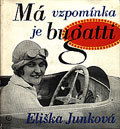
Elisabeth Junek - Bugattis were her passion


You have only
1 out of 7
images seen in high resolution
Summary
The list of courageous women who wanted to compete with male racing drivers in the 1920s and early 1930s in the wake of emancipation is long. The modern, successful, fun-loving woman wanted to free herself from the shackles of many taboos. They had a hard life, the first female racing drivers. They were often more ostracized than celebrated. One of these heroines was Elisabeth Junek, a sensitive racing driver who raved about Bugattis. This fifth and final article in the "Five Women" series tells the life story of Elisabeth Junek.
This article contains the following chapters
- On a par with the men
- Shocked in the snow at Klausen
- Retirement after the death of her husband on the Nordschleife
- Epilogue
Estimated reading time: 3min
Preview (beginning of the article)
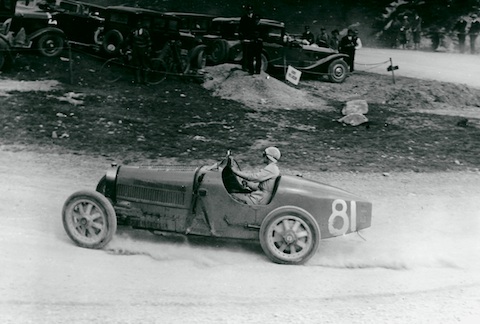
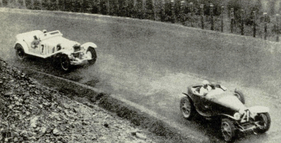
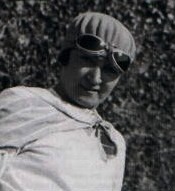
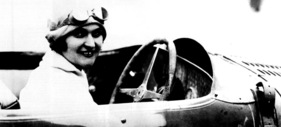
Elisabeth Junek, born the daughter of a blacksmith in Olomouc (now the Czech Republic) in 1900, married the banker Cenek Junek in 1922, was infected by his passion for Bugatti cars, accompanied him to hill climbs and eventually became a racing driver herself. The Junek couple on their various racing buggies is always the highlight of mountain and flat races within Czechoslovakia - Zbraslav-Jilovitste, Brno-Sobeschitz, Ecce-Homo and others. Elisabth Junek rarely competes abroad. Two races, among others, show her great class. The Klausen Pass race in 1926 and the Targa Florio in 1928. The Targa Florio and the Klausen Pass race established her reputation as the fastest female racing driver of her time - and on a par with the men. A look at the rankings of the 19th Targa Florio in 1928 confirms this. After initially taking the lead on the Circuito Madonie in Sicily - the Targa Florio was held with a single start - a tire failure forced Elisabeth Junek to change wheels and she lost the lead.
Continue reading this article for free?
Images of this article