Technology in race cars (18): STP-Paxton Turbocar - whoosh and away!


You have only
1 out of 20
images seen in high resolution
Summary
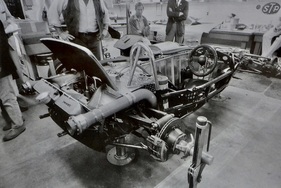
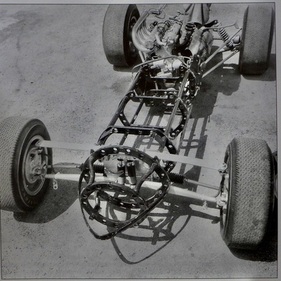
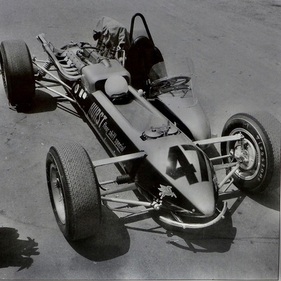
A response worse than any turbo lag and only a single forward gear - yet the STP Paxton drove the competition into the ground on its debut. The gas turbine racing car from 1967 could have been the future of the Indy Car Series had it not been thwarted by the regulations. This article from the series "Technology in racing cars from 1958 to 1978" looks at the STP-Paxton Turbocar in detail and shows it in historical footage.
This article contains the following chapters
- 100,000 dollars salary, six dollars damage
- Central tube instead of mid-engine
- Granatelli, the nutcracker
- Curiosities and prohibitions
Estimated reading time: 6min
Preview (beginning of the article)
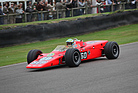
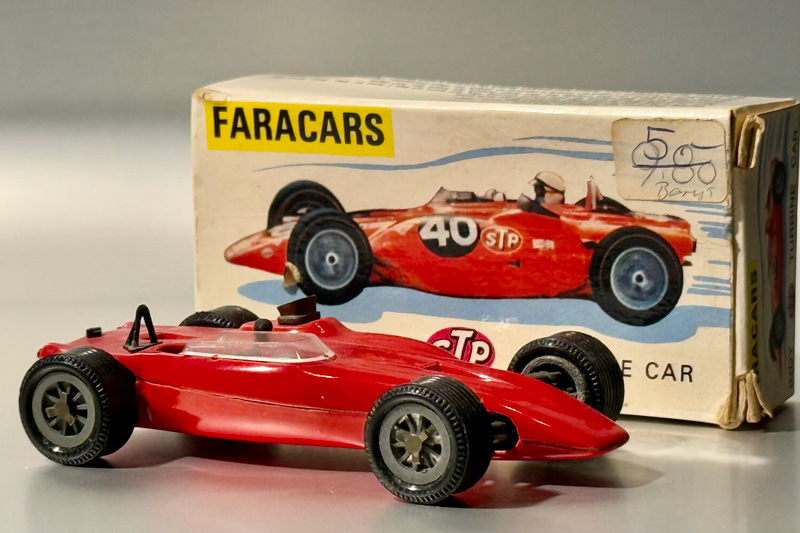
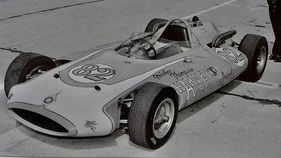
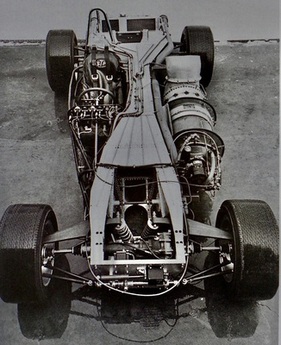
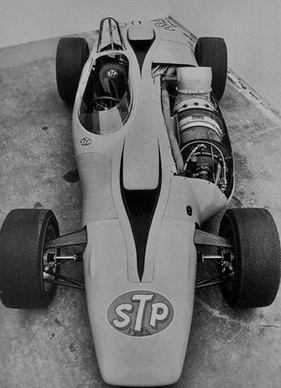
The years 1958-1978 were the two most creative decades in the history of racing technology. This series portrays the most innovative, pioneering and exotic designs of Formula 1, Indy cars, sports cars and Can-Am, and at the same time traces the major lines of development that still have an impact today. The series started with Lotus, one of the most important innovation drivers of these two decades. And the series will also finish with Lotus. This time, everything revolves around an Indy Car with an unusual drive system. "Whooshmobile" - that's what the competition and the public in Indianapolis called the car in 1967, which also appeared to be from another planet to the eye. The nickname was an attempt to characterize the unusual rushing sound of this car, which had nothing whatsoever to do with the hammering and screeching of its reciprocating engine competitors. Its power unit was a Pratt & Whitney Canada ST6B-62 gas turbine with 550 hp and a huge amount of torque.
Continue reading this article for free?
Images of this article