Technology in race cars (30): Lotus 72 - wedges in a hurry


You have only
1 out of 27
images seen in high resolution


Summary
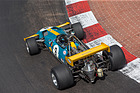
The Lotus 72 was so far ahead of its time that it remained in use for six years, five of which it was competitive. In addition to a radically new body shape, the red and gold racer featured a new cooling system, sophisticated torsion bar suspension and internal brakes on both axles. This article from the "Technology in racing cars" series is dedicated to the Formula 1 monoposto that made Jochen Rindt world champion in 1970 - and his wife a widow.
This article contains the following chapters
- The wedge shape
- The split radiator
- The progressive torsion bar suspension
- The inboard front brakes
- The further development
- The balance sheet
Estimated reading time: 12min
Preview (beginning of the article)
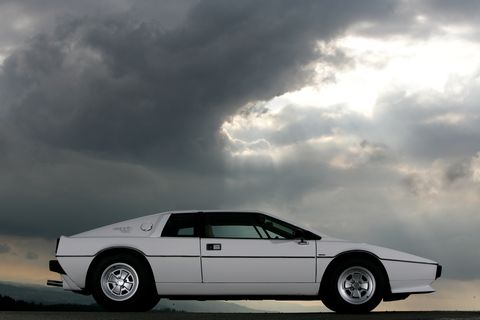
With the 1967 Lotus 49 , "Mr. Lotus", Colin Chapman, had brought a new standard of monoposto construction to the young Formula 1 with the three-litre engines: monocoque chassis and supporting Cosworth engine. From 1968, flaps on the nose and rear wing were added to aid aerodynamic downforce. And this Type 49 went on to win in 1970 as the 49C - in its fourth year! However, the tireless Chapman was already looking for new ways to make his cars even faster from 1968 onwards. Traction became a dominant issue at this time with increasing engine power and tire problems. In the Type 56 with the gas turbine for Indianapolis 1968 , Lotus responded to this problem with all-wheel drive - and with the wedge shape of the bodywork. The pure wedge shape was all the more feasible here because the gas turbine did not require a conventional radiator. This wedge shape was to trigger a veritable design revolution; not only in racing, but also in the design of everyday cars.
Continue reading this article for free?
Images of this article