Technology in race cars (32): Chaparral 2J - The vacuum cleaner


You have only
1 out of 15
images seen in high resolution
Summary
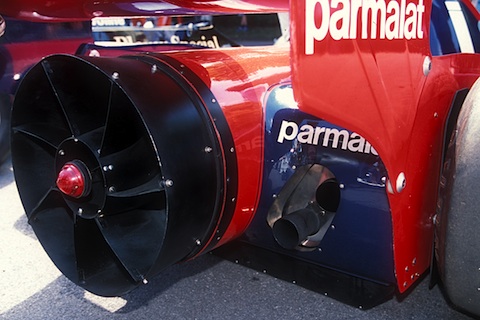
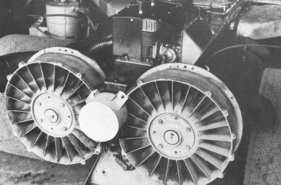
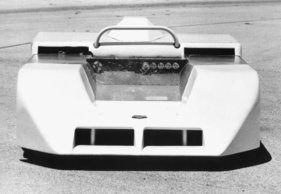
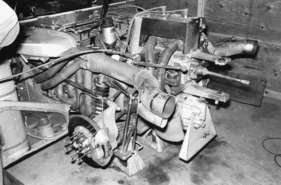
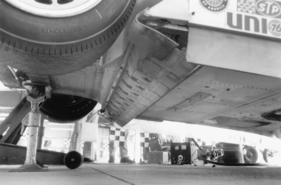
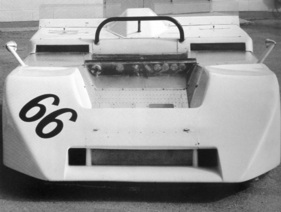
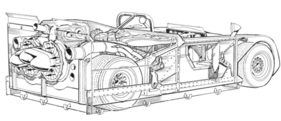
The boxy, white racing car with the two large fans in the rear, which look like jet engines, is probably the best-known Chaparral today. With its revolutionary downforce concept, the 2J stirred up a lot of dust in the Can-Am series - literally. The rule makers didn't like that as much as the car's overwhelming superiority. After just three races, the "vacuum cleaner" was banned. This article from the series "Technology in racing cars" presents the Chaparral 2J in detail.
This article contains the following chapters
- Skirt chaser
- Aero even without dynamics
- The only victory for the naturally aspirated concept
Estimated reading time: 7min
Preview (beginning of the article)
The years 1958-1978 were the two most creative decades in the history of racing technology. This series portrays the most progressive, pioneering and exotic designs of Formula 1, Indy cars, sports cars and Can-Am, and at the same time traces the major lines of development that still have an impact today. The Caparral 2J is certainly one of the most radical designs. The legendary "vacuum cleaner" project was originally the idea of the small, conspiratorial engineering team at Chevrolet, which Jim Hall had been supporting semi-officially in his projects for some time. Hall got involved after the failure of the Type 2H, as he had no other new approach up his sleeve, especially as the sporting authorities had banned free-standing, movable wings after the wing breakage accidents in the 1969 Formula 1 season.
Continue reading this article for free?
Images of this article