A dream made of old iron - Alfa-Romeo 8C 2900





Summary
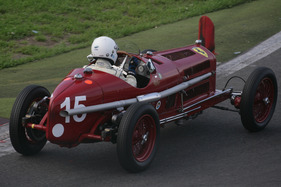
German competition forced Alfa-Romeo to break new ground. Six of the most beautiful racing cars of the time were created from leftover spare parts: Alfa-Romeo 8C 2900. The article shows the history and some examples of these cars.
This article contains the following chapters
- The Tipo C was to beat the German competition
- The Mille Miglia turns out to be a typical Alfa route
- Chassis from the factory, bodywork made to measure
- With team manager Enzo Ferrari to the top places
- One of the last examples, found in a garage!
Estimated reading time: 6min
Preview (beginning of the article)
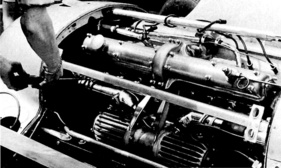
On June 5, 1932, Alfa-Romeo appeared on the Monza racetrack with a new car. It had been built for the free formula, which was in force from 1932 to 1933. Vittorio Jano had designed the car under the official type designation "Tipo B". As the successor to the P 2, it was soon called the P 3. The 2654 cc eight-cylinder engine consisted of two separate four-cylinder blocks made of aluminum, which were united under a single cylinder head. The engine had two crankshafts, each mounted five times in bronze, which were connected to each other between the two blocks. Two overhead camshafts were driven by gearwheels from this mounting. The engine was equipped with two Rootes compressors manufactured under license by Alfa-Romeo. These ran at one and a half times the engine speed and were mounted - together with two Weber carburetors - at the bottom left of the engine. A Bosch solenoid supplied the ignition. At a speed of 5600 rpm, this engine produced 215 hp.
Continue reading this article for free?
Images of this article