Alfa Romeo 158 and 159 Alfetta – The Queen of the Voiturettes


You have only
1 out of 23
images seen in high resolution


Summary
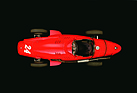
The Alfetta 158 is probably one of the most successful racing cars in the history of motor racing: Together with the Type 159, which was further developed for the 1951 season, no fewer than 47 victories were claimed in 54 races between 1938 and 1951. A record, even if the Second World War took place during this period! But the origins of the Alfetta are as adventurous as its sporting history.
This article contains the following chapters
- Horses in front of the car
- First start - first victory
- Surviving in hiding
- Total dominance
- Memorable start at Silverstone
- Running - but running!
- Three "Fs" for the history books
- Alfa Romeo Alfetta 158 Results:
- Alfa Romeo Alfetta 159 results:
- Alfa Romeo Alfetta chassis numbers:
Estimated reading time: 17min
Preview (beginning of the article)
The Alfetta 158, first entered in 1938, is probably one of the most successful racing cars in the history of motor racing: Together with the Type 159, which was further developed for the 1951 season, no fewer than 47 victories were claimed in 54 races between 1938 and 1951. A record, even if the Second World War took place during this period. But the history of the Alfetta's origins is as adventurous as its sporting successes. The Alfa Romeo Tipo 158 did not originate in Portello, but in Modena, in the workshop of Enzo Ferrari. From 1929, he was responsible for the Alfa Romeo racing cars, which he directed from Modena from 1933 onwards. In the 1930s, the Alfa Romeo P3 was no match for the superiority of the German Mercedes and Autounion racing cars in the long term - apart from the surprising success of Tazio Nuvolari in the 1935 German Grand Prix, of all races. Alfa Romeo therefore considered building a racing car for the 1938 Tripoli Grand Prix that complied with the specific, technical "Voiturette regulations" in order to return to winning ways. Ferrari managed to persuade the directorate in Milan to build the Alfetta in Modena, as the racing department in Portello had been considerably downsized in order to free up resources for the development of aircraft engines and military vehicles. Neither the director at the time, Ugo Gobbato, nor Vittorio Jano, who was working on the further development of the Tipo "C", had anything against it. And Wifredo Ricart, the exceptional Spanish engineering talent - and considered a potential successor to the equally ingenious Vittorio Jano - was just as happy to have to meet Ferrari less often and to be able to devote himself to the development of the Tipo "C".He was able to devote himself undisturbed to the development of the Tipo 162 and Tipo 316 racing cars and a racing car with a 1.5-liter rear engine and 338 hp, which, however, did not go beyond a study model.
Continue reading this article for free?
Images of this article