Staunau - Mini-Ami from Northern Germany


You have only
1 out of 3
images seen in high resolution
Summary
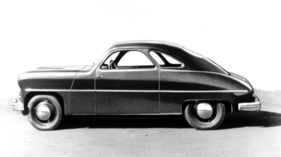
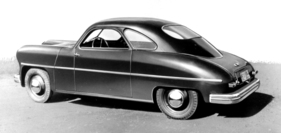
The German car manufacturer Staunau had a company history that could not have been more contrasting. On the one hand, the first model enjoyed considerable success, while on the other hand, individual models in the product range had the reputation of being "such a barbaric automobile", to quote AMS (issue 15/1951). This historical report from 1973 sheds light on Staunau's entire company history, supplemented by historical data sheets and a few pictures.
This article contains the following chapters
- Ice machines, automobiles and airplanes
- Considerable success - with the first model
- The "most beautiful small car"
- Controversial influences from overseas
- Poor(er) performance comes at a high price
- No serious competition for VW?
- Almost making European and American automotive history
- No sales worries
- Progressively designed and yet "barbaric"
- Controversial discussions and different opinions
- Many old machines and little capital
- Germany soon had one less manufacturer...
Estimated reading time: 12min
Preview (beginning of the article)
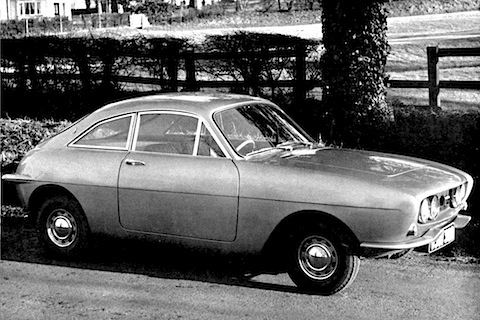
I have counted them: there were about forty new car brands in West Germany after the Second World War. Mind you: new car brands. They came with a lot of enthusiasm and great promises, but with little capital and sometimes with dubious business methods. Each year brought an abundance of prototypes and new launches that were quickly forgotten. Only a few were able to set up real production and survive for a few years. Then they too disappeared again. Karl-Heinz Staunau, previously a manufacturer of ice machines and lifting equipment in Hamburg-Harburg, was one of those who at least built a certain number of cars. Now cars were to roll out of the gates, and Staunau commissioned the then 32-year-old aircraft engineer Gerd Krebs to design a mobile vehicle. Krebs, initially a freelancer at Staunau, envisioned a three-wheeled cabin à la Isetta for production. However, the ILO works in Pinneberg were testing the further development of the 400 cc two-stroke engine that had powered the Tempo delivery vans before the war. In addition to the engine, a Hurth gearbox for front-wheel drive could also be supplied.
Continue reading this article for free?
Images of this article