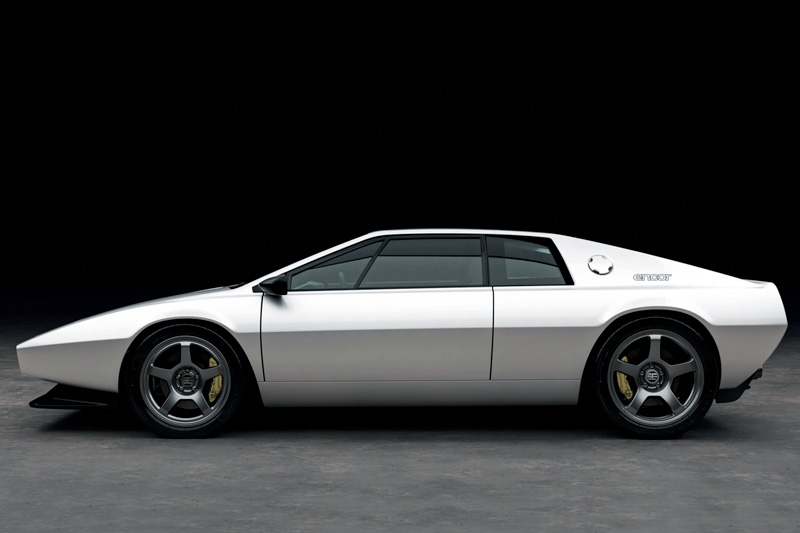
Lotus Etna - the Esprit successor that wasn't meant to be


You have only
1 out of 31
images seen in high resolution


Summary
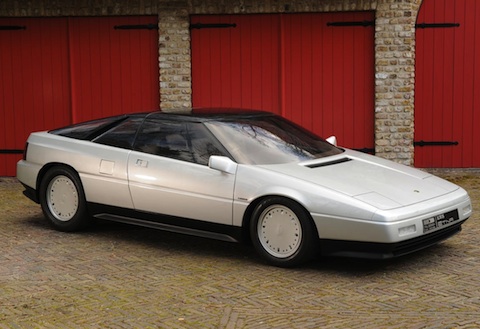
In 1984, Lotus presented a possible successor to the Esprit called the Etna, which, with its newly developed V8 engine and aerodynamically optimized shape, was supposed to run at almost 300 km/h and give the super sports car elite a run for their money. But it remained a prototype. This article tells the story of the one-off from the beginning to the present day.
This article contains the following chapters
- A successor for the Esprit
- Engine from Tony Rudd
- Design by Giorgetto Giugiaro
- Built by Giovanni Forneri
- Shown in Birmingham, Turin and Geneva
- Mothballed and not pursued further
- Completed long after the first presentation
Estimated reading time: 6min
Preview (beginning of the article)
In 1972, the first prototype of the Lotus Esprit caused a sensation at the Turin Motor Show, and three years later, the production version of the sports car designed by Giorgetto Giugiaro was presented at the Paris Motor Show. After 12 years, it therefore seemed only natural to consider building a successor to the Esprit. The Lotus Etna was presented as a "concept car" at the Birminham Motor Show in November 1984. Once again, they had worked with Giugiaro on the design, but technically the Etna differed significantly from the Esprit. Instead of a central beam chassis, the Etna was to be built in monocoque construction. A new manufacturing process called VARI (Vacuum Assisted Resin Injection) was developed for this purpose. Synthetic resin was injected into a honeycomb structure, while carbon fibers and Kevlar were used for particularly stressed areas.
Continue reading this article for free?
Images of this article