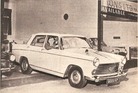
John Bull on wheels - Morris Oxford VI (test)


You have only
1 out of 18
images seen in high resolution


Summary
The Pininfarina-designed Morris Oxford V appeared in 1959 and was replaced by a face-lifted successor in 1961, which benefited from the power of the MG-A engine. The magazine 'hobby' tested a left-hand drive example and found the locomotive-like characteristics of the car quite appealing. This report reproduces the original text of the test report at the time, supplemented by historical illustrations and the original sales brochure from 1962.
This article contains the following chapters
- With the character of a locomotive
- Simple but elegant bodywork
- Sports car heart under the hood
- Elastic and not at all slow
- A 'mountain racer' from the island
- Elastic and well motorized even with automatic transmission
- Noble interior, but primitive chassis
- Good road holding
- Partner for a marriage of convenience?
- Economical and affordable for the quality on offer
- Test results and technical data
Estimated reading time: 8min
Preview (beginning of the article)
The first locomotive ran in England in 1825. In 1962, the English sent us the Morris Oxford VI. There is a causal link between these two events. The Oxford does not want to deny its origin from the locomotive. It makes this clear as soon as you start stirring the gearshift like a brewer's wife in sauerkraut, forcing it into any forward gear or reverse gear on long gearshifts. Finally, however, the car, which does indeed have an ox as its heraldic animal - because Oxford means nothing other than Ochsenfurt - starts to move. It lowers its horns and reveals its serious intentions with a loud roar. At first, this seems to be nothing more than showing off, as if by someone who - as the Berliner says - 'can't loofen for sheer power'.
Continue reading this article for free?
Images of this article