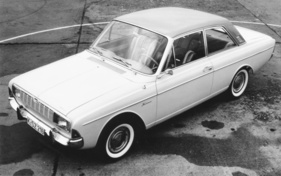
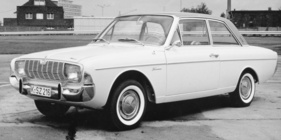
Extra portion of home cooking - Ford Taunus 20 M in the (historic) test


You have only
1 out of 19
images seen in high resolution




Summary
Surprisingly, the large V6 was quite similar in its characteristics to the small four-cylinder engines. Instead of drawing its power from the depths of its displacement, it also preferred to draw its power from the engine speed. However, as it harmonized excellently with the transmission, this was not seen as a disadvantage. The generally very conventional design of the car also had its advantages, as can be seen from this historical test report.
This article contains the following chapters
- Chassis: maturity instead of effort
- The engine: as simple as possible
- The gearbox: a stroke of luck
- The equipment: more stylish than safe
- The interior: comfortable and well ventilated
- Technical data & measured values
Estimated reading time: 19min
Preview (beginning of the article)
Ford Cologne, which for a long time had only loose ties to Mother Detroit, was hit by an American invasion in recent years. The immigrants did not limit themselves to introducing their interpretation of English as the official language, they also transplanted some of the "American way of driving" to Cologne. On the one hand, this US influence was a very positive addition to the Ford-Cologne automobile philosophy. If the decision had already been made years ago to satisfy customers according to the motto "a lot of car for the money", the Americans, who were experienced in economic mass production, were able to give this development new impetus. On the other hand, the American wave at Ford put an end to the beginnings of a development that would probably have been more in line with the current trend in the European car industry. This is currently clearly going through a stage of refinement. One traditional design after another is finally being replaced by something more modern.
Continue reading this article for free?
Images of this article