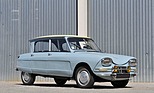
The ugly duckling has moulted - Ami 6 - the big little Citroën


You have only
1 out of 22
images seen in high resolution
Summary
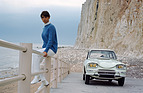
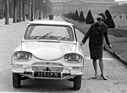
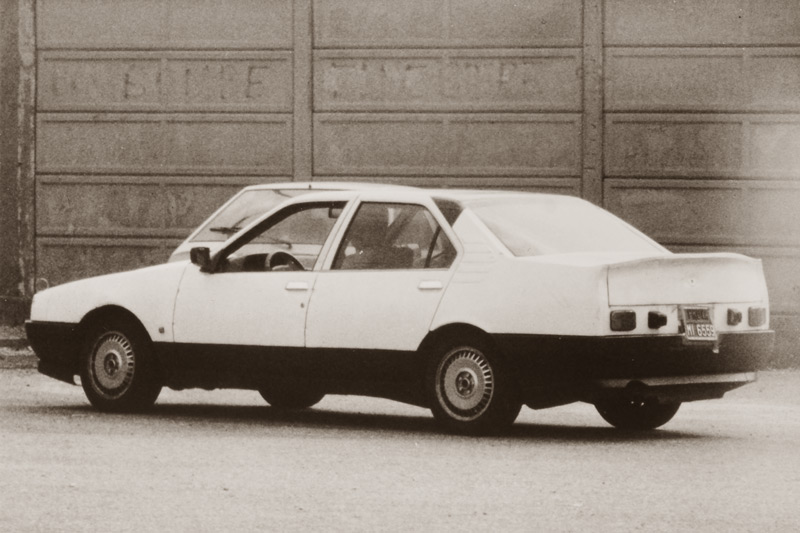
At the beginning of the sixties, Citroën was still confident that it could not only throw old technical traditions overboard, but also convince the masses of buyers of new solutions and design innovations. The car that was to close the gap between the 2CV and the DS/ID, the Ami 6, was therefore eagerly awaited. 'hobby' reviews of the newcomer were favorable, although the expected revolution failed to materialize and the new car was seen more as a synthesis of its little and big brothers. Whether the Ami 6 would be a success, the reporter made dependent on the not yet known price. This report reproduces the original wording of the article from 1961, supplemented by many photos from the time.
This article contains the following chapters
- The gap between the 2CV and DS/ID is closed
- Only on paper?
- The almost secret newcomer with leanings downwards and upwards
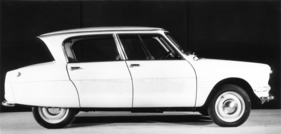
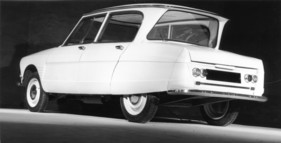
- Not beautiful, but a big little car
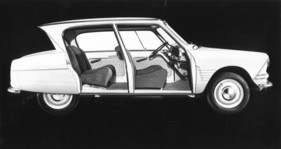
- Four-door model with excellent interior comfort
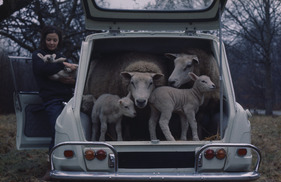
- Sufficient luggage space
- No air suspension
- Two cylinders and 18 hp are enough
- Lessons learned from the "big one
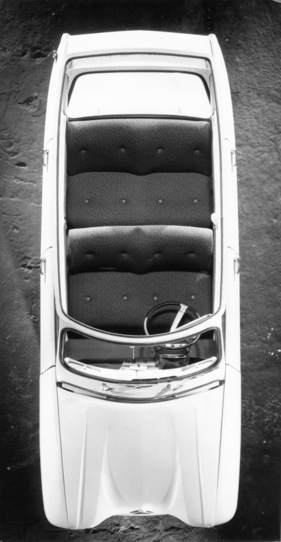
- Attractive interior
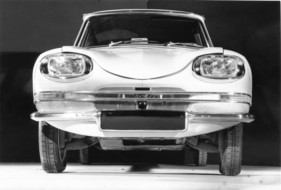
- No grill gimmicks
- Inherited economy
- Good synthesis instead of sensation
Estimated reading time: 9min
Preview (beginning of the article)
When Citroën launches a new car in Paris, the world takes notice. The experts as well as the average car consumer. People pay attention because they expect technical, conceptual and not least aesthetic sensations from the designers of the long-established company under the sign of the two angles. People know that the Quai-André-Citroën not only consistently pursues revolutionary ideas, but also has the courage to implement them in an almost dictatorial manner, against all psychological considerations of the inertia of the buying masses and their stubborninsistence on time-honored traditions. This was the case with the 2 CV, which was regarded by many as a caricature of a car and yet is one of the most functional cars, and it was the same - at least in the early days - with the technically sophisticated and also stylistically revolutionary large DS and ID models.
Continue reading this article for free?
Images of this article