
Citroën GT 19 Bossaert - The divine Frua Coupé


You have only
1 out of 29
images seen in high resolution

Summary
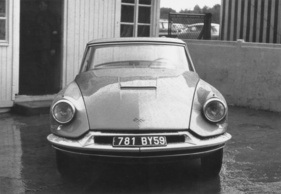
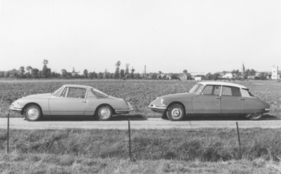
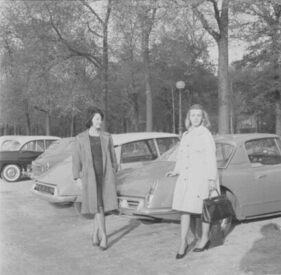
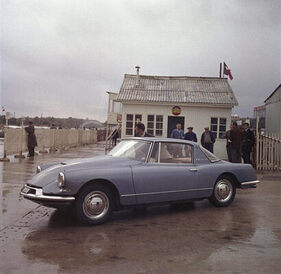
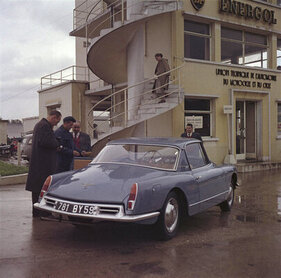
Hector Bossaert was dissatisfied: his Citroën DS needed to be lighter and more agile. So the racing driver took the origin of the word "coupé" to heart, cut a generous 47 centimetres from the floor assembly of the goddess and had the rear end redesigned by Pietro Frua. The result was one of the most beautiful special bodies for the big Citroën, which gave the French sculpture a dash of Italian lightness, but unfortunately only eleven were built. This article tells the story of the GT 19 Bossaert, showing the prototypes in historical photos and the only surviving example in current photos.
This article contains the following chapters
- Racing driver and DS tuner Hector Bossaert
- Presentation in Montlhéry
- Small series production by three companies
- End after only eleven examples
- Only one Bossaert coupé has survived
Estimated reading time: 9min
Preview (beginning of the article)
When Citroën presented its Traction Avant successor, the DS 19, at the 42nd Paris Motor Show in 1955 (October 6-16, 1955), the car was a sensation. The "Déesse" (French for goddess), as the abbreviation of the revolutionary car was pronounced, was visually and technically far ahead of its time. Aeronautical engineer André Lefèbvre was the driving force behind the project and its technical innovations, such as the hydropneumatic suspension with level compensation, the hydraulically operated clutch and assisted disc brakes as well as the single-spoke steering wheel. The Italian designer Flaminio Bertoni, who had been working for Citroën since 1932, was responsible for the exterior and interior design. The fact that he created more than just a car was demonstrated two years later: in 1957, he was awarded the Honorary Prize for Art and Aesthetics for the DS at the XI Milan Triennale of Decorative Arts.
Continue reading this article for free?
Images of this article







_RM.jpg)