Chevrolet Corvette Shark XP-755 from 1961 - Bio-Design at General Motors
















You have only
1 out of 13
images seen in high resolution


Summary
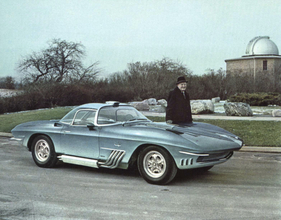
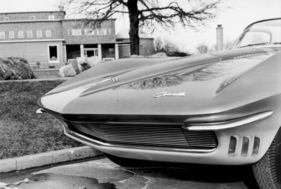
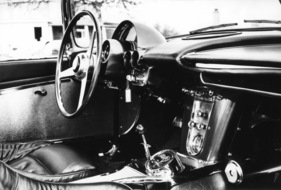
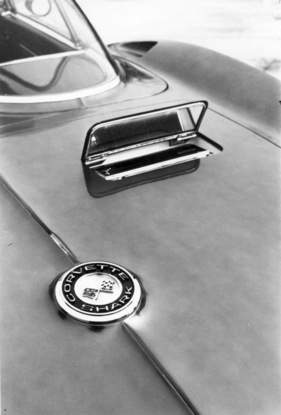
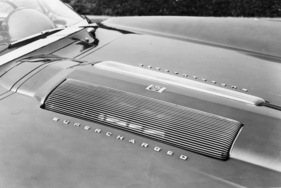
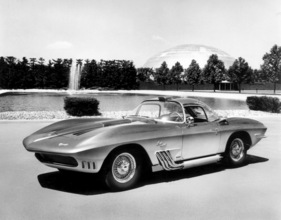
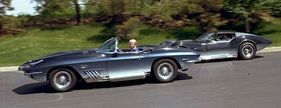
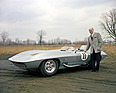
In the early sixties, development of the second generation Corvette (C-2) was already well advanced. The design was based on the Stingray racer (XP-87), whose appearance was influenced by the marine world. To prepare the future customers of the C2 for this new organic design language, a show car was built, the XP-755, called Shark. The idea was born while fishing, when design chief Bill Mitchell caught a shortfin mako. This report describes the 1961 Chevrolet Corvette Shark and its before and after history, accompanied by many pictures, some of which have never been published before.
This article contains the following chapters
- Inspired by the shortfin mako
- Futuristic Plexiglas bubbles as a roof replacement on the "Shark"
- "Mako Shark" as a modified new edition
- Complete interior conversion
- XP-755 no longer exists
- Further information
Estimated reading time: 3min
Preview (beginning of the article)
The new generation Corvette C-2 was already very advanced in its development. The design was based on the Stingray racer (XP-87 from 1959), which was heavily influenced by the marine animal world. The company was therefore looking for a way to promote the new organic design language in the form of a show car. Head of Design Bill Mitchell found it - while fishing at the weekend. The inspiration came from the shark, or more precisely from a shortfin mako that head designer Bill Mitchell caught on vacation. According to stories, a stuffed specimen (others called it a "model") of this beautiful animal hung in his study. His colleague Larry Shinoda took the pointed snout and the aero- or aquadynamically outstanding basic shape as an example and created the body of the study with the designation XP-755. It later became world-famous because it can probably be regarded as the most beautiful interpretation of the Corvette theme. The reason for this is its shape, which is very much based on nature, and such shapes are known to be easier on the human eye.
Continue reading this article for free?
Images of this article






_RM.jpg)