Knows what it stands for - BMW 1500 in the (historical) test


You have only
1 out of 33
images seen in high resolution


Summary
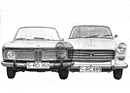
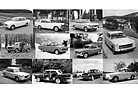
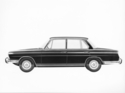
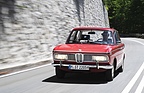
Anyone considering buying an upper mid-range saloon in 1963 had several cars to choose from. Ford 17 M and 12 M TS or even an Opel Rekord would have been an option. However, there was also the BMW 1500, which cost a good DM 1500 and offered typical BMW features such as good driving performance and a high level of driving safety, and of course enjoyed a certain degree of superiority due to its name. This article reproduces the wording of the test conducted by Automobil-Illustrierte magazine at the time and shows the car in historical photographs.
This article contains the following chapters
- 1600 became 1500 cc
- Is the 1500 a "real BMW"?
- The quality lies beneath the skin
- Looks bigger than it is
- Manageable despite its size
- How it drives
- Amazingly safe to drive
- A likeable car
- Technical and test data
Estimated reading time: 15min
Preview (beginning of the article)
If a well-known car manufacturer announces its new model at a very early stage and even presents prototypes to the public, this undoubtedly has the advantage that dealers can build up a good "cushion" of firm orders long before production starts. However, such a policy also harbors the risk of disappointing customers. Not because the product they finally receive after a more or less long wait does not stand up to comparison with the prototype that was the final impetus for their decision to buy - but rather because general technical development has not stopped in the meantime and there may be other vehicles on the market that seem to offer more in terms of technology or are considered to be cheaper than this one. The development period for a new car model is generally estimated to be at least three years, whereby hardly any far-reaching changes to the original concept are possible during the second half of this period, because the production of the machine tools required for mass production has already been set in motion. The larger the plant and thus the expected series, the more careful the preliminary planning must be, and the less opportunity the designers have to venture bold forays into new technical territory.
Continue reading this article for free?
Images of this article