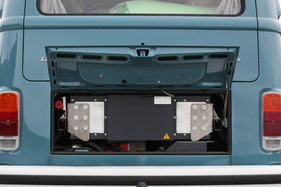
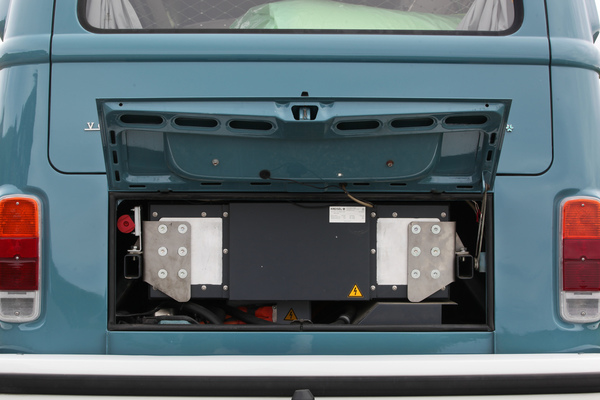
More and more companies are focusing on replacing the drive unit of old cars with electric components. The result is a thoroughly ecological vehicle with zero emissions during operation and marginal noise emissions. Many providers even claim that dismantling is possible without any problems and that the intervention has no impact on the substance of the car. But is an electrified classic still a car worth protecting? In fact, electrified cars retain their chassis number and often also their registration as a historic vehicle.
The FIVA (Fédération Internationale des Véhicules Anciens) has a clear opinion on this:
Although FIVA understands the motivation of vehicle owners and recognizes that any intervention in an old car is up to an owner, it does not want to support and promote electrification. In FIVA's view, the replacement of ageing combustion engines with electric components (engine, batteries) leads to the destruction of original substance and the cars are no longer historic vehicles unless the modification was carried out 30 years ago or more.
Tiddo Bresters, Vice President of Legislation at FIVA, makes it clear: "In our opinion, it is not just the body shape that makes a car (or motorcycle) historically valuable, but the entire construction and design of the vehicle in its original version and form".
It is important for the FIVA that any electrification should be carried out in such a way that it can be reversed.
Further information on classic car topics can be found on the FIVA website.