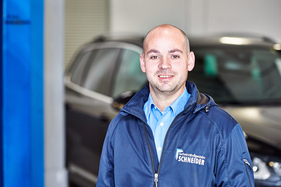
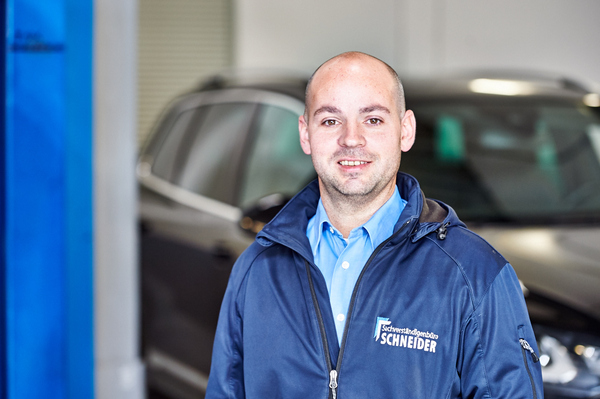
Paint thickness measurement is commonplace in the vehicle trade. It is also a fixed parameter for leasing returns. However, it is not particularly meaningful, as it only shows that there is more material in one place than in another. FSP partner Michael Schneider from Erftstadt works with a much more precise technique to detect concealed damage: thermography.
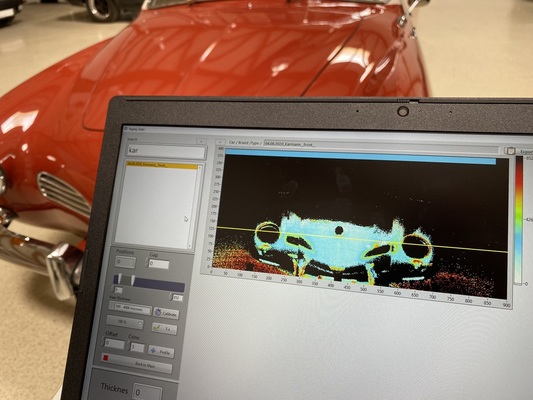
This method from the aircraft construction industry can make pre-damage visible without damage and completely contact-free, regardless of the material. To date, thermography has mainly been used successfully for classic car appraisals. However, it is likely to be used more frequently in the future. This is because the identification of pre-existing damage is one of the most fundamental tasks of experts when it comes to insurance claims. A recent ruling could ensure that thermographic inspections become standard in the near future.
Non-contact and continuous
"Thermography provides much more meaningful results than any of the non-contact methods used to date," explains Michael Schneider. "Until now, anyone who wanted to know exactly what it looked like under the paint had to damage a piece of the bodywork. That's not necessary with thermography."
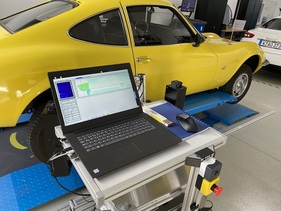
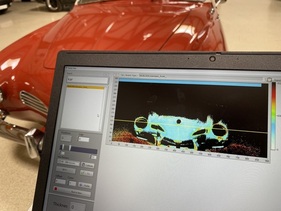
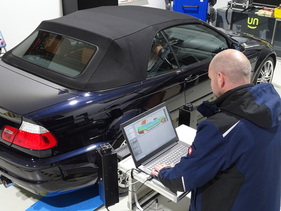
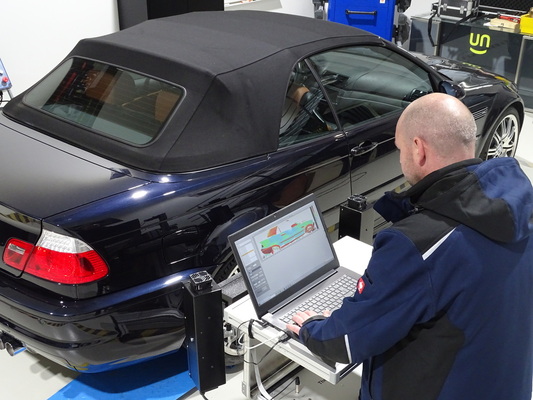
In active thermography, high-performance flash generators and halogen lamps heat the surface of the car body. A high-resolution infrared camera then records the cooling behavior. Specially developed software then converts this process into color-graded images that make the applied material thickness immediately visible to the experienced user.
Thermography as an integral part of pre-damage inspections?
"Until now, we have mostly created thermographs either for classic cars or for disputes about concealed accident damage after a vehicle sale," says expert Schneider. "This could change in the future, as a recent ruling now makes it possible for thermographs to become an integral part of the assessment of previous damage." Previously, there were often discussions with insurers about this item in the invoice, who did not want to cover these costs. A recent ruling has now cleared the way for this. Schneider therefore expects this procedure to become more widespread in the foreseeable future. In any case, the advantages of this technology are quickly apparent.
In July 2023, the Frankfurt District Court made a decision in this regard, which confirmed that a pre-damage inspection using thermography is necessary and could therefore become the norm in future. In the case in question, the insurance company had to cover the costs of this, similar to the previous ruling on disinfection costs during the coronavirus pandemic (AG Frankfurt/Main, judgment of 21.07.2023, ref. 31 C 1628/23). Similarly, experts could in future charge for thermography to determine preliminary damage.
The images produced by thermography look similar to what many people are familiar with from thermographic images of houses. However, in the case of facades, only the radiant heat is measured, whereas in active thermography, the surface is actively heated and then its cooling is measured. The measurement allows the expert to determine whether repairs, filling work or even thin paint coats have been carried out, regardless of the material. Whether sheet metal, plastic or carbon, thermography detects repainting on any surface. Even rust under the paint becomes visible with this technique.
Making structural differences visible
After the analysis using thermography, the expert prepares a written report with informative photographs of the measurement results. They show the structural differences in the bodywork. Based on the color gradient of the images, the expert can make clear statements about previous or old damage and also assess the condition of the material. With other methods, this is not yet possible without damage.
Vehicle appraisers: an interesting prospect for workshop professionals
If you want to stand on your own two feet in the automotive industry, you don't necessarily have to open a workshop. They can also build up a secure livelihood as a self-employed vehicle appraiser.
The FSP specialists from the TÜV Rheinland Group offer qualified training for these varied activities. It is an excellent basis for master mechanics and technicians to start a varied and self-determined future with the strong partner TÜV Rheinland at their side.
The training lasts three months and prepares the participants perfectly for their own existence. And if you still want to, you can specialize in particular areas such as fire investigation, classic car valuation or in the field of agricultural and construction machinery.
More information about the training can be found on the FSP Group website.