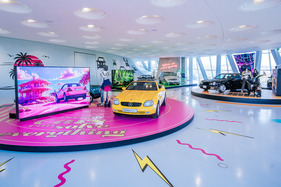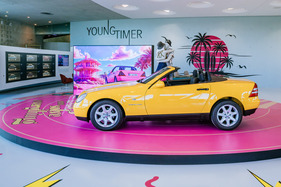

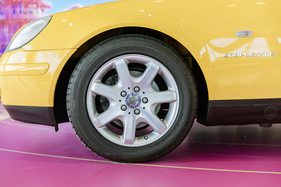
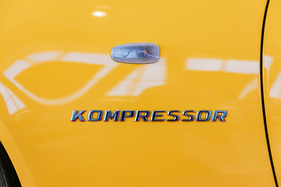

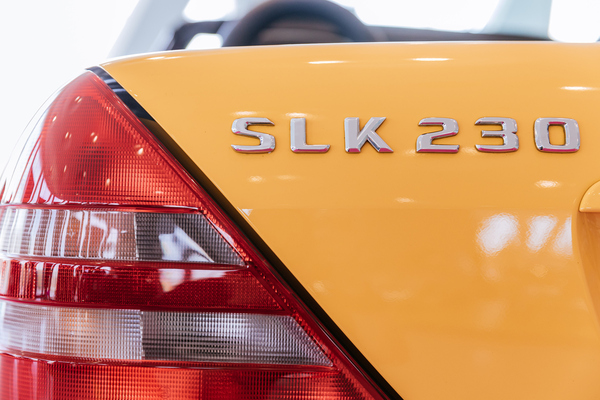
It stands there like a ray of sunshine on wheels. In bright yellow, or more precisely in yellowstone (Mercedes-Benz color code 685), the Mercedes-Benz SLK 230 Kompressor of the R 170 model series dominates the "Easy Life" theme island of the current "Youngtimer" special exhibition at the Mercedes-Benz Museum.
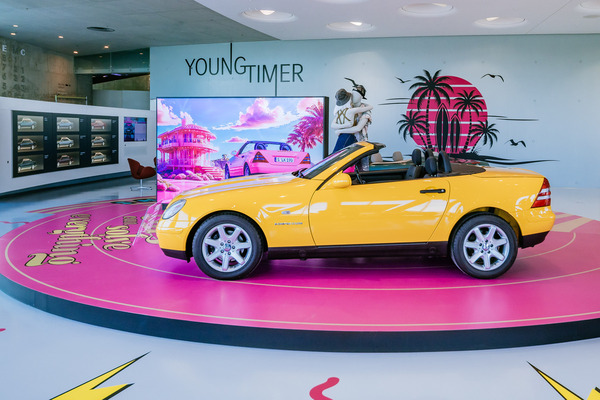
Colorful exclamation mark
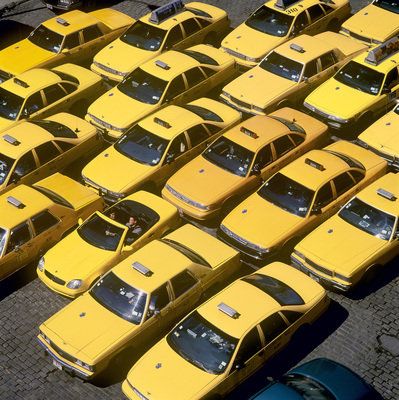
This yellow doesn't want to be quiet. And that's exactly what it's designed for: yellowstone is the communication color for the market launch of the SLK in spring 1996, sending out a powerful signal of new beginnings. The concept works brilliantly, the roadster attracts enormous attention at its premiere and is thus the forerunner of a whole series of new premium vehicles with the three-pointed star within the Mercedes-Benz product offensive. The SLK of the R 170 model series looks as good in yellowstone today as it did in 1996, but it is also popular in many other colors back then.
Roadster with a twist
The R 170 series is a coupé and roadster in one - thanks to the vario-roof. The electro-hydraulic folding soft top made of steel is a stroke of engineering genius. At the touch of a button, it folds smoothly into the trunk with a fascinating choreography. Close the flap, open the car. With this system, Mercedes-Benz was a pioneer in the segment at the time and defined a new standard for year-round driving pleasure. Important for everyday use: The trunk still offers loading capacity even with the roof open.

The design of the SLK is a statement. The roadster looks as if it has been cast from a single mold. Its clear lines, the short, crisp silhouette, the emphatically horizontal front end with the classic Mercedes-Benz SL grille - all this lends the vehicle a timeless sportiness. No superfluous gimmicks, no fashionable mannerisms. The SLK is not loud - and yet presents itself confidently on its stage with its pink design elements in the special exhibition.
The interior follows the same logic as the exterior, appearing tidy and of high quality. With large round instruments, clear controls and high-quality materials, the cockpit has a timeless, classic look even almost 30 years after the premiere of the R 170 series.

Performance with principle
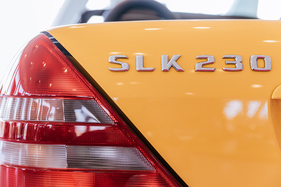
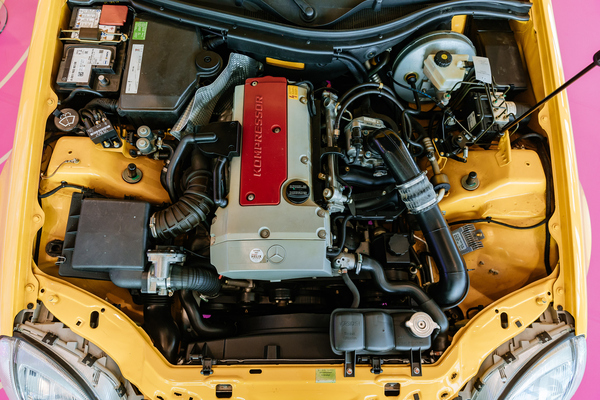
The SLK 230 Kompressor is the best-selling model in the series. Its four-cylinder engine with mechanical supercharger delivers 142 kW (193 hp) on the road - a powerful statement in this class of compact sports cars. The unit delivers superior power from low revs while remaining refined and efficient. Technically, the drive is based on great role models. The traditional Mercedes-Benz S-series of the 1920s also had a supercharger to boost performance. In the 1990s, it returned in a modern interpretation. Less is more: less fuel consumption, more torque.
Market launch with impact
Mercedes-Benz initially presents SLK concept cars at the Turin and Paris Motor Shows in 1994. They hit the nerve of the times and the reactions were very positive. The production vehicle is launched on the market in 1996. Open, sporty, fresh - these values are inspiring. More than 310,000 vehicles are produced by 2004.
Changing automotive culture: for many millennials, the SLK is the first Mercedes-Benz that smells of sunshine and weekends. It becomes the poster car for a new generation of customers. A vehicle that radiates little distance, but still carries the virtues of the brand, such as design and safety.
Back to the future
The yellow SLK 230 Kompressor at the Mercedes-Benz Museum is part of the current special exhibition "Youngtimer". It can be seen in the Collection 5 room until November 2, 2025. Ten iconic vehicles from the 1990s and 2000s are on display in a colorful and entertaining presentation. The themed islands range from "Easy Life" to "Subtlety" and "Space". They embed the vehicles in the lifestyle of their era. Interactive stations with subjects ranging from generative image creation using artificial intelligence to retro gaming accompany the exhibition and also bring the time around the turn of the millennium into the present.
Further information on the exhibition can be found on the museum's website.