





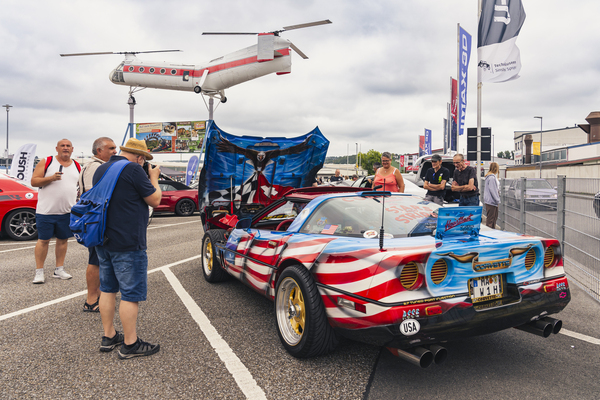
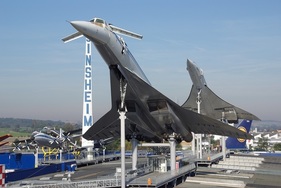
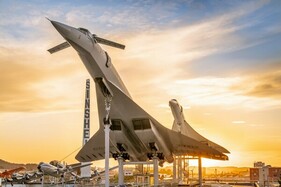
Spectacular airplanes on rooftops, historic locomotives, gigantic submarines or space technology within your grasp. The Technikmuseen Sinsheim Speyer have stood for extraordinary experiences and impressive exhibits for decades. In 2026, the two museums will be celebrating several anniversaries at once: 45 years of the Sinsheim Museum of Technology, 35 years of the Speyer Museum of Technology and 45 years of a unique community behind it all. Because what makes the museums special is not just their collection, but the people behind it. Under the guiding principle "by fans for fans", a strong global network has developed over the decades that not only preserves the history of technology, but actively shapes it. Members, supporters, employees and fans make the museums a lively community project and a place where passion becomes visible.
The beginning of a shared idea
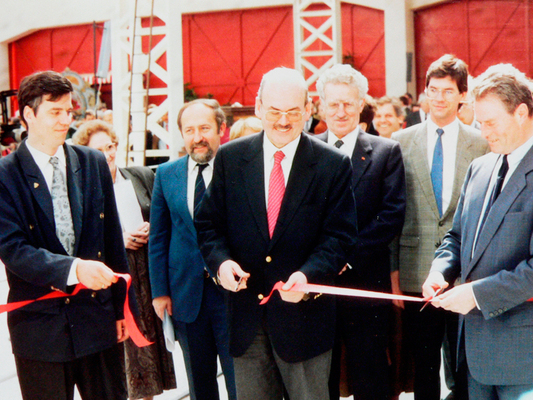
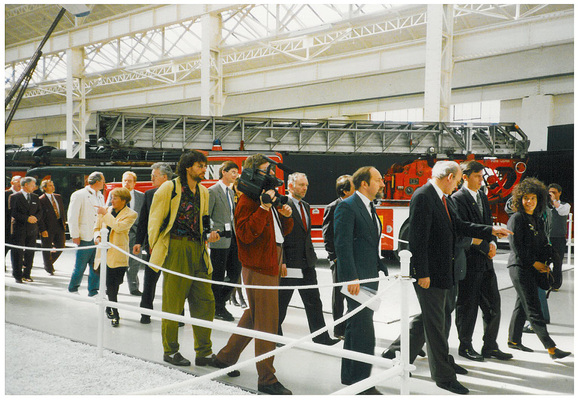
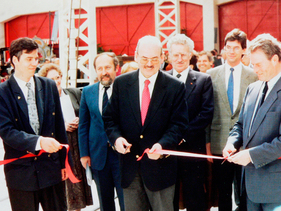
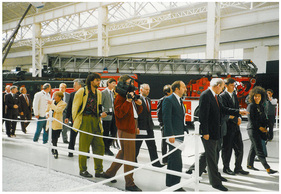
It all began in the early 1980s in Kraichgau, when technology enthusiasts presented their private collectibles to the public for the first time. An idea at a regulars' table became a reality on May 6, 1981 with the opening of the Sinsheim Museum of Technology, supported by people who wanted to share their enthusiasm. The founding of the museum association not only created an organizational structure, but above all a community. The next big step followed ten years later. On April 11, 1991, the Technikmuseum Speyer opened its doors and continued the shared vision, supported by the same committed community. From the very beginning, members contributed their knowledge, their contacts, their exhibits and countless hours of voluntary work. To this day, the museums see themselves less as traditional exhibition venues and more as a platform for community involvement. "Many projects would not have been possible without the support of our members," recalls museum president Hermann Layher. "Without the community, we would just be a museum. With it, we are a living movement."
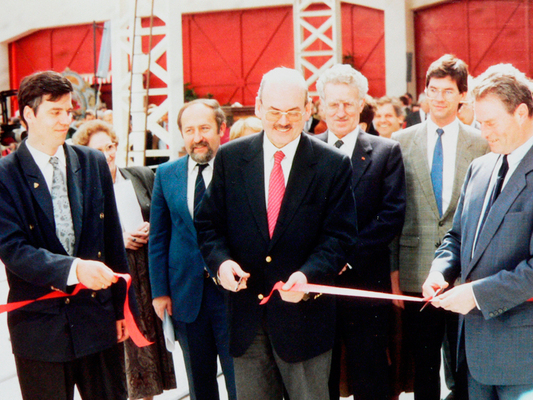
When passion makes great things possible
What once started out small has gradually developed into a unique collection of contemporary technical history. This development is particularly evident in the elaborate large-scale transports, which have long since become a trademark of the museums. As neither Sinsheim nor Speyer are directly connected to railroad lines or airports, locomotives, airplanes and other large exhibits had to be transported over roads, rivers and through towns, villages and sometimes even through country lanes. These logistical feats were made possible by specialist knowledge, teamwork and the extraordinary commitment of many helping hands.
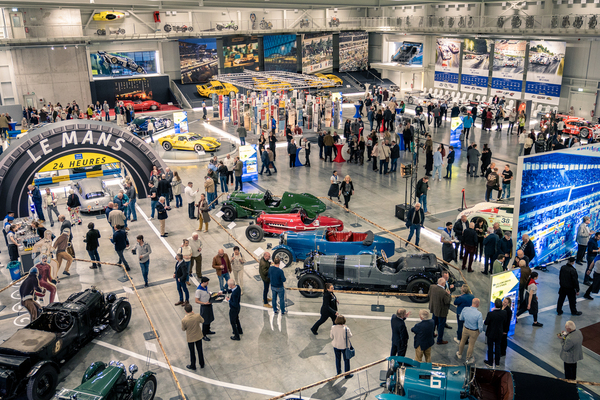
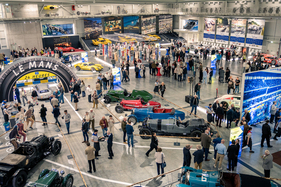
Today, the Technikmuseen Sinsheim Speyer present technical innovations from almost all areas on more than 200,000 square meters. From classic automobiles and aviation to Europe's largest space exhibition. Around 7,500 members from all over the world form the foundation of this development. For many of them, the museums have long been more than just an excursion destination: they are part of their own tradition and like a second home. "With us, you are part of a large family of technology," says museum director Andreas Hemmer. "We are members, we are fans." As an association organization, the museums are financed by admission fees, donations and membership fees. A model that has shown for decades how strong community involvement can be.

Milestones, growth and major projects
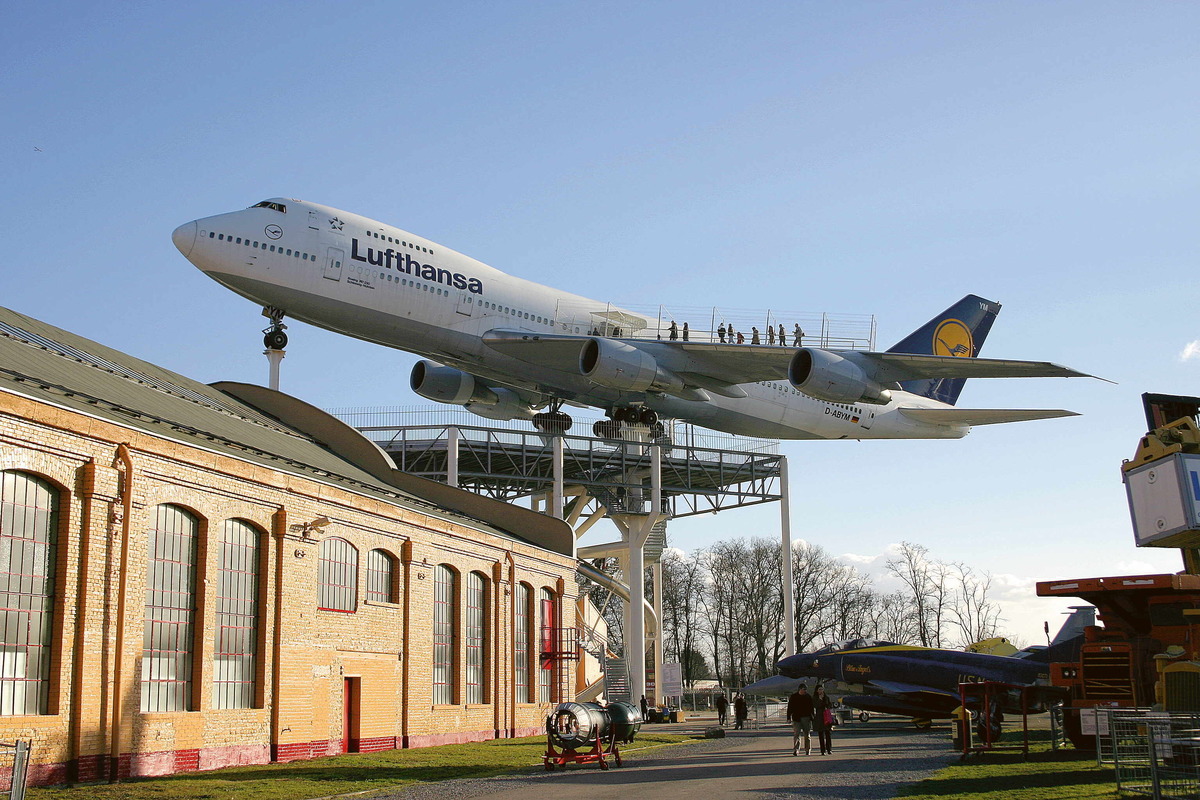
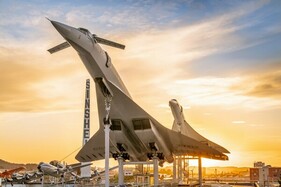
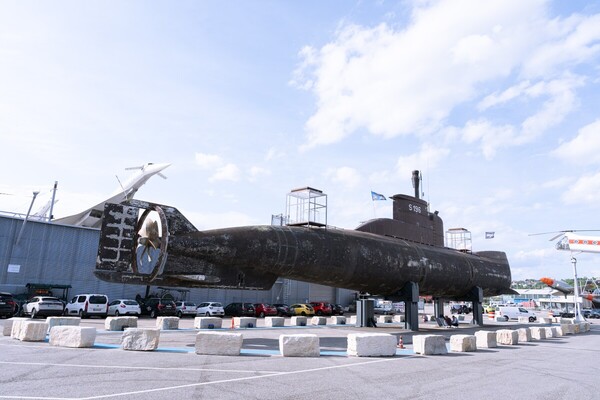
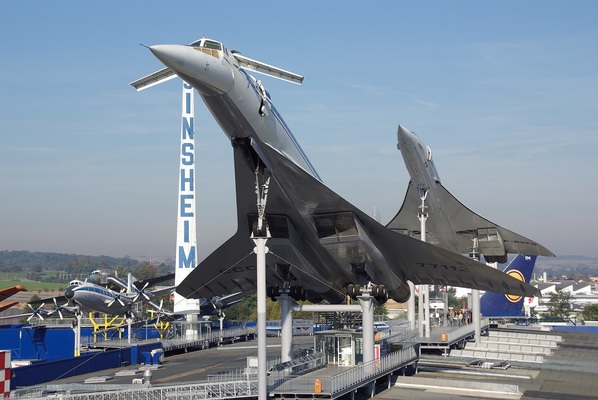
The museums have repeatedly attracted international attention with spectacular projects such as the Concorde and Tupolev Tu-144 supersonic aircraft in Sinsheim, but the Boeing 747 and the Buran space glider in Speyer have also become iconic landmarks and symbols of technical fascination. A recent chapter in this success story is the transfer of the U17 submarine from Kiel via Speyer to Sinsheim. This media-effective project impressively demonstrated how technical visions are staged today and how many people work together to achieve them. This project, for example, was only possible thanks to the cooperation and support of the community. Around 250,000 visitors have visited the new exhibit since it opened at the end of May 2025.
The anniversary year 2026
The anniversary year is not just about looking back, but also about looking ahead. Promotions and limited-edition anniversary products are planned throughout the year. One particular highlight is the new and fifth edition of the Great Museum Book. On 464 pages with around 950 illustrations, the bilingual work presents the most important exhibits from both locations. Supplementary content and integrated QR codes combine classic museum documentation with digital experiences and make the history of technology accessible in a new way.
The book and further information are available in the museum store and on the museum's website.
