100 years ago, Bosch presented the world's first voltage-regulating generator for motor vehicles.
Initially intended solely as an energy source for the newly introduced electric headlights, it ultimately laid the foundation for electrification in the automobile. Numerous other electrical consumers were quickly added, such as Bosch's electrically powered starter in 1914 and the first electric drive for windshield wipers in 1926.
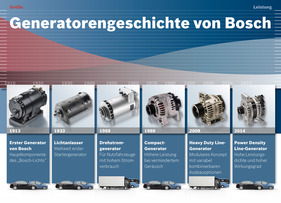
While the first generators still had a modest output of 4 amperes, the latest generation from Bosch covers a range from 130 to 250 amperes.
Bosch as a system supplier for the first time
Until 1913, Bosch had almost exclusively produced ignition systems. This one-sided orientation meant a high entrepreneurial risk. At the same time, the automotive market was developing rapidly - vehicles also needed safe and reliable lighting for increasing everyday use.
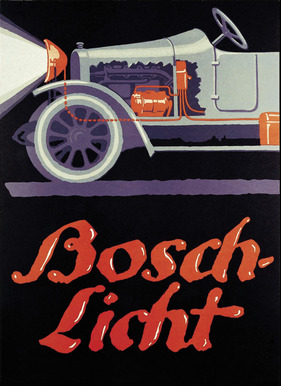
Robert Bosch recognized this opportunity, and in 1913 the "Bosch light" was ready for series production. The package offered as a retrofit solution consisted of two headlights, the generator, a battery and the regulator switch. The alternator, as the generator was called at the time, had only one task: to supply power to the battery, which in turn reliably lit up the first electric headlights. This first lighting system paved the way for Bosch to become a system provider and leading automotive supplier.
If Bosch had not continuously improved the efficiency, today's generators would have the weight of a small car to supply modern vehicle electrical systems with their numerous electrical consumers.