DKW 1928-1966 - Small engine and two-stroke


Summary
There were around 10,000 car brands and designers - most of them have disappeared. One of these vanished brands is DKW, which existed from 1928 to 1966. The two-stroke engine was central to DKW and, together with front-wheel drive, they built very competitive cars that shaped many a cityscape.
Estimated reading time: 3min
Preview (beginning of the article)
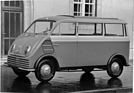
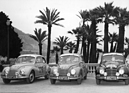
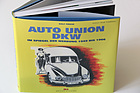
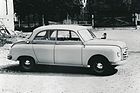
"The boy's wish" or "The little wonder", however one interpreted DKW, the origin lay in a tiny two-stroke engine that was built for play and handicraft purposes: The manufacturer was Jörgen Skafte Rasmussen (1878-1964), a Dane who immigrated to Zschopau from Denmark, who further developed this small engine into an auxiliary bicycle engine and, from 1922, into the power source for the motorcycles that were soon to become the most widely built.From 1928, DKW also produced passenger cars in Berlin, and from 1931, small two-cylinder cars with front-wheel drive were built in Zwickau, which made DKW an international household name. However, with the purchase of the Audi works in 1929, Rasmussen had taken over, and in 1932 DKW, Audi, Horch and Wanderer were merged to form Auto Union AG.The DKW with front-wheel drive and two-cylinder two-stroke engine (584 and 692 cm3) secured an excellent reputation. After the war, they found their successors in East Germany in the Ifa and later Wartburg, while a new Auto Union was created in Ingolstadt (it went to Daimler-Benz in 1958 and from there to Volkswagen in 1964). From 1950, DKW cars continued to be built according to the pre-war recipe (from 1957 to 1963 under the Auto Union brand). In 1957, the ultra-modern small DKW Junior was added. From 1964, the Auto Union successor DKW F 102 also appeared in a modern style, from which the new Audi with a four-stroke instead of a two-stroke engine emerged in 1966.
Continue reading this article for free?