Berliet 1895-1939 - pioneer with quality and racing successes

Summary
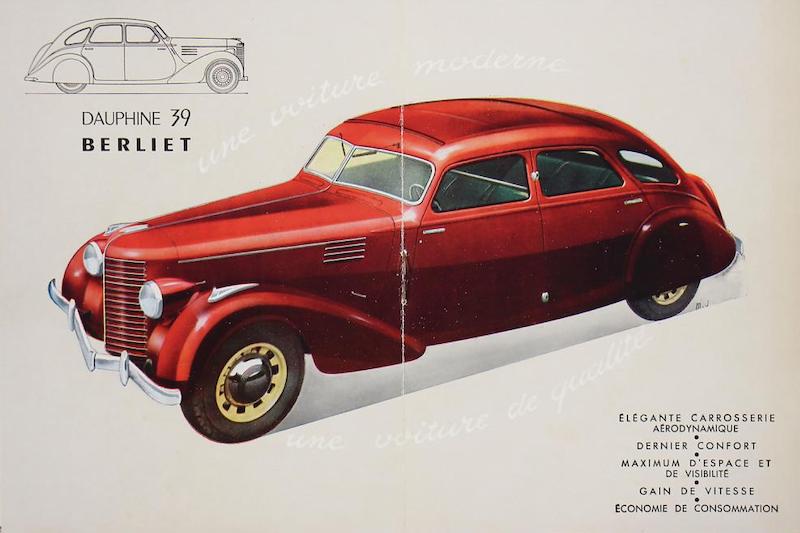
There were around 10,000 car brands and designers - most of them have disappeared. One of these vanished brands is Berliot, which began producing passenger cars as early as 1895. They developed from a single-cylinder to a six-cylinder and were also successful in motor racing. After an unsuccessful copy of Dodge in 1917, the company concentrated on trucks and army equipment. After the war, Berliet also built passenger cars again, most recently the Dauphine with independent front suspension. After that (1939), the company concentrated on commercial vehicles and was bought by Citroën in 1967.
Estimated reading time: 3min
Preview (beginning of the article)
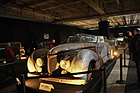
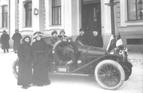
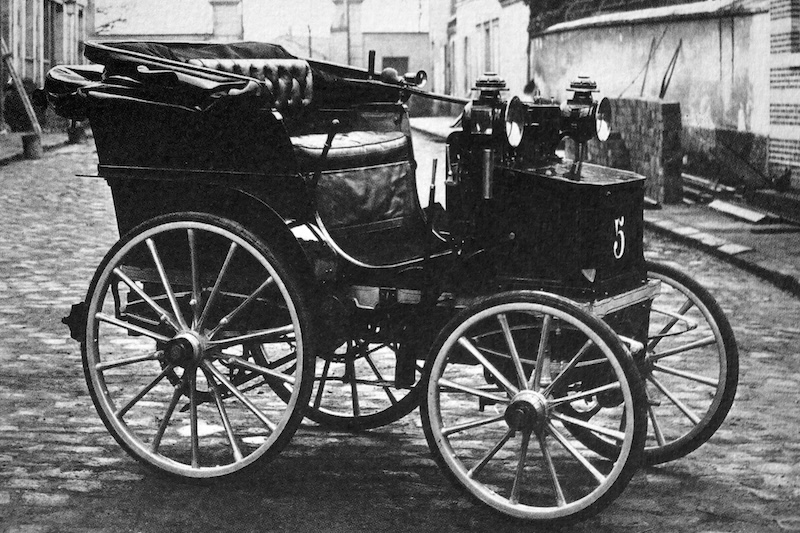
In 1894, Marius Berliet started building single-cylinder passenger cars with a four-speed gearbox in a small workshop. A two-cylinder model followed in 1897, and around 1901 Berliet took over his competitor Audibert & Lavirotte, also based in Lyon. The four-cylinder cars built thereafter already had a chassis made of steel instead of wooden beams. The level of quality and racing success prompted the American Locomotive Company (Alco) to produce Berliet cars under license from 1906 to 1909 before creating its own Pw. Until before the First World War, there were four-cylinder Berliets with 2.4- and 4.4-liter engines as well as a 9.6-liter six-cylinder engine; a 1.5-liter Berliet was added from 1910 to 1912. In 1916, an unsuccessful Dodge copy was launched; from 1917, the company concentrated on trucks and army equipment. After the war, the range of passenger cars extended from 2.6 to 3.3 to 4.4 liters; a 1.2-liter model was added in 1924, followed by 1.8 and 4-liter six-cylinder models in 1927. The last Berliet passenger car was the Dauphine built from 1936 with a 1.6 or 2-liter engine and independent front suspension.
Continue reading this article for free?