The ignition - nothing works without it


You have only
1 out of 11
images seen in high resolution




Summary
The most frequent breakdowns in cars are caused by defects in the electrical system, which was the same in the past as it is today. How does the ignition work in historic cars? Which components need to be considered and how do you maintain the system? This report takes you through the secrets of the ignition and explains how to deal with it, with a focus on older cars.
This article contains the following chapters
- The ignition solenoid
- The ignition distributor
- The ignition setting
- The spark plugs
Estimated reading time: 7min
Preview (beginning of the article)
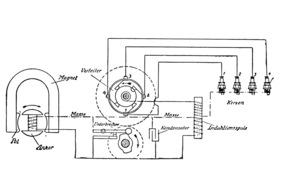
Whether battery or magneto ignition: Faults in the ignition system are one of the most common causes of breakdowns on the road. All "modern" motor vehicles are equipped with battery ignition, so let's first take a closer look at the ignition system that generally dominated classic cars up to the 1925-1928 model years: magneto ignition. Invented by Robert Bosch in 1902, the high-voltage magneto ignition is a small machine that generates alternating current. The main components are the magnet, armature, interrupter and (in multi-cylinder engines) distributor. The current generated in the armature winding (also known as the primary winding) is interrupted every time the armature rotates halfway - the magnetic field changes and transfers a current to the secondary winding, which is also located on the armature, which then jumps over to the spark plug as an ignition spark.
Continue reading this article for free?
Images of this article