
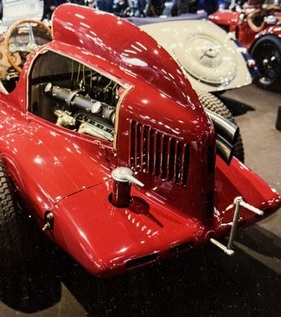
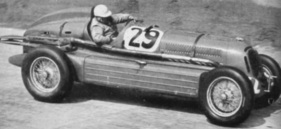
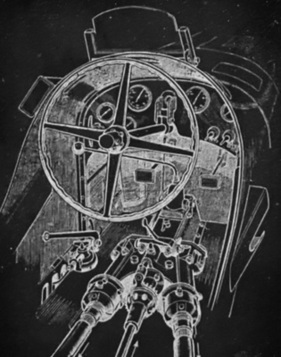
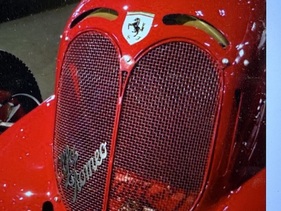
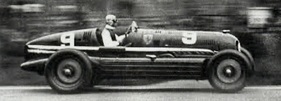
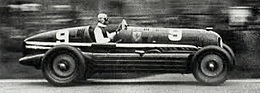
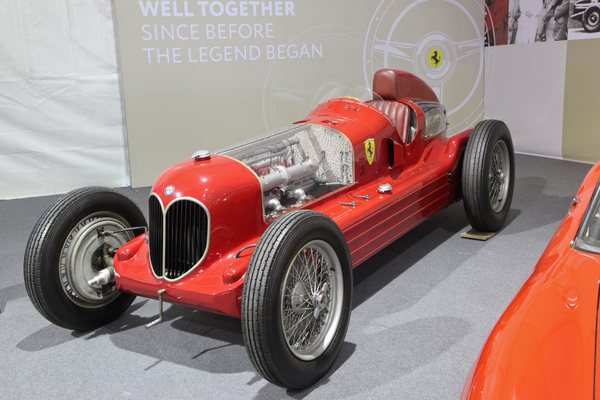
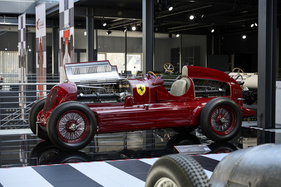
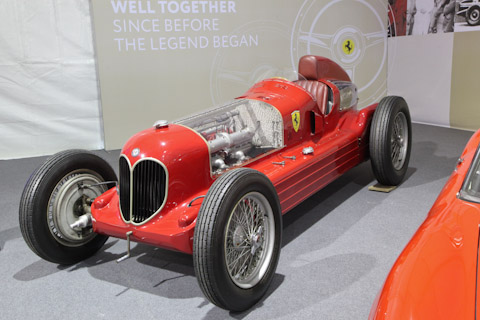
Technology in race cars (53): Alfa Romeo 16c Bimotore (1934) - the Alfa that almost became a Ferrari














You have only
1 out of 17
images seen in high resolution
Summary
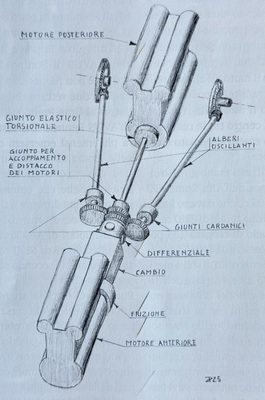
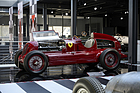
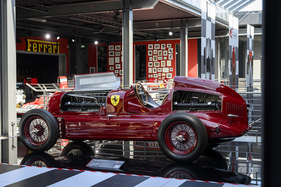
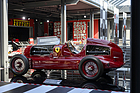
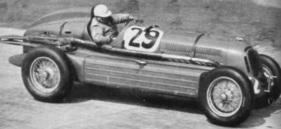
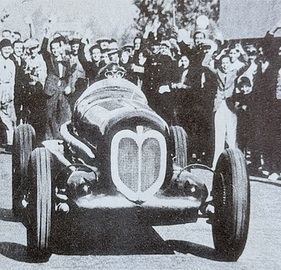
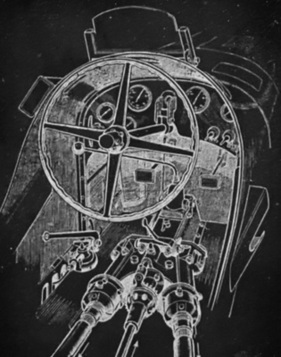
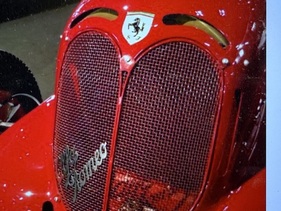
What do you do when one engine is no longer enough to keep up with the competition? Exactly - a second one is needed! That's probably what Alfa Romeo thought when they launched the Bimotore in 1934.
This article contains the following chapters
- Creative emergency solution
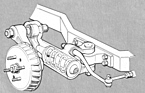
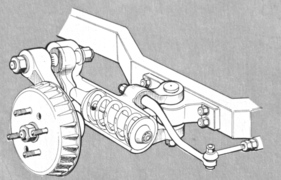
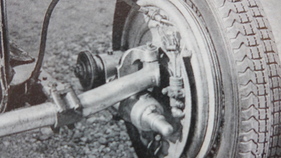
- Dubonnet suspension on the front axle
- Tests and races
- Epilogue
Estimated reading time: 7min
Preview (beginning of the article)
Reinventing the racing car - this motif runs through the entire history of racing car technology up until the 1980s. Then, safety regulations and ever-improving simulation tools increasingly led to a technical convergence, to a kind of standardization, so that today Formula 1 cars differ externally in some cases only by barely perceptible aerodynamic refinements. Before 1986, outstandingly innovative cars were created every decade, which were not always successful or never even made it onto the road, but often provided impetus for new standards later on, until these were sometimes called into question again.
Continue reading this article for free?
Images of this article







_RM.jpg)