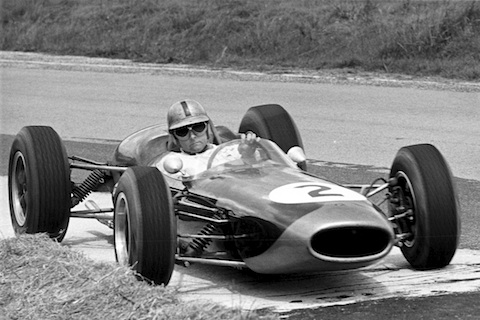
Brabham BT46B - the fastest vacuum cleaner on the racetrack


You have only
1 out of 30
images seen in high resolution
Summary
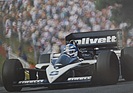
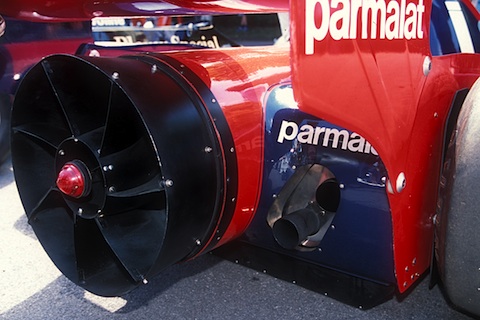
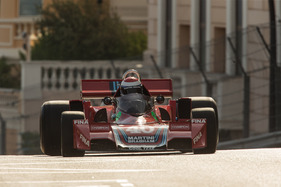
The vacuum cleaner of the race track, or how to solve a cooling problem with downforce and vice versa, could have been the title of this article. It's about the Brabham BT 46B, which was used in exactly one race in 1978 and won it at the first attempt. It was the brainchild of designer Gordon Murray and, had it not been prevented, the vacuum cleaner principle would probably have revolutionized Formula 1. But things turned out differently. This article looks back at the turbulent Formula 1 years and explains the technologies used at the time.
This article contains the following chapters
- Brabham 1978: Radiator lust and frustration
- Hot idea for cooling and something else: BT46B
- One race, one victory
- Murray is not discouraged
- Dismantling
- Epilogue
- Sources
Estimated reading time: 12min
Preview (beginning of the article)
Greens can hardly wait for the end of the combustion engine. Petrolheads hope it will take a little longer. From a physical and technical point of view, the electric motor is clearly superior to the combustion engine. The efficiency of the combustion engine reaches up to approx. 45% at full load, but with the electric motor it is up to 95% (if electricity generation is not included), and this over a wider load range. It is no coincidence that gasoline engines are called heat engines and not power-heat engines. This means that, in addition to power, they produce a lot of waste heat and therefore have a rather low level of efficiency.
Continue reading this article for free?
Images of this article