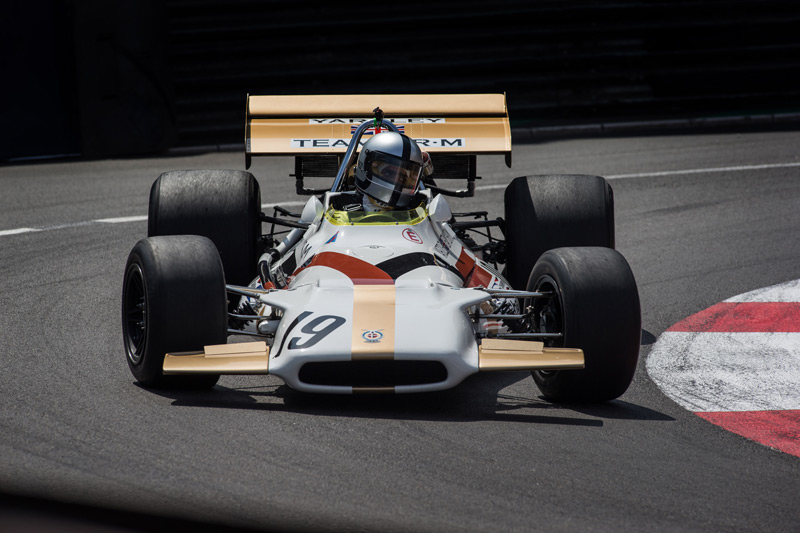
Engine innovation in Formula 1 - the BRM H16 from 1966


You have only
1 out of 10
images seen in high resolution
Summary
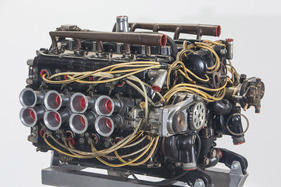
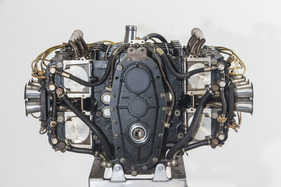
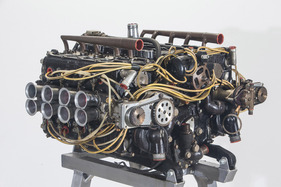
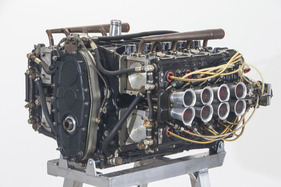
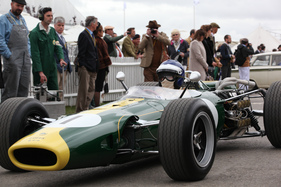
Time and again, independent-minded engineers in Formula 1 planned the great innovation leap, including Tony Rudd in the mid-sixties. He developed a sixteen-cylinder engine with a 180-degree cylinder angle and two banks of cylinders, one above the other. What promised high performance on paper proved only partially successful in racing. This Formula 1 technical report looks back at the unique design and its history.
This article contains the following chapters
- Complicated hybrid technology
- The 16-cylinder innovation from BRM
- The main thing was performance
- A dead end despite victory
- The end of the end
Estimated reading time: 4min
Preview (beginning of the article)
The engine is and remains the heart of a racing car. Many different drive concepts have been used in motorsport to date. From the gas turbine to supercharged engines with up to 16 cylinders and an unrealistic W12 project, everything was there. It all began before the war with the heavy supercharged engines with up to 16 cylinders. This was followed by the era with 1.5-liter displacement and up to 12 cylinders. Then the three-liter engines dominated for a long time; the most successful engines had 8 cylinders and were called Ford Cosworth DFV. Then came the turbos, some with only 4 cylinders, and later the extremely high-revving V-10 cylinders up to today's 6-cylinder hybrid technology.
Continue reading this article for free?
Images of this article