March 701 - Visionary against his will


You have only
1 out of 12
images seen in high resolution


Summary
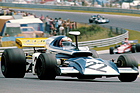
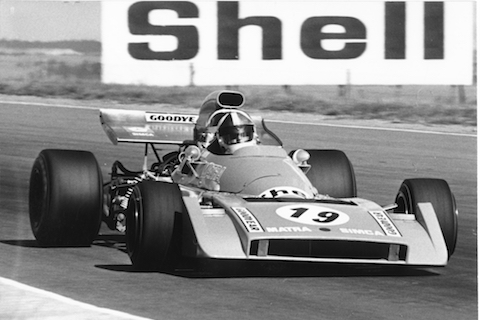
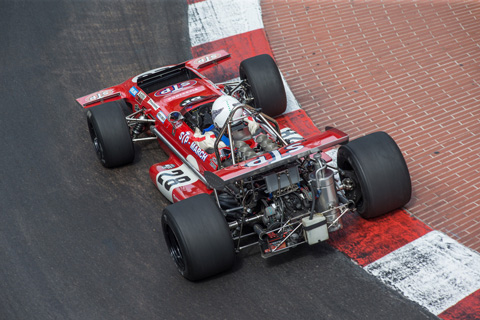
As we all know, Formula 1 will be governed by new rules for the first time in eight years in 2022, so it's high time to shine the spotlight on an unsuccessful yet pioneering racing car. We're talking about the March 701, after all, which more than half a century ago provided the impetus for the development of ground-effect cars, even if the British racing car from 1970 was hardly able to win any laurels itself. Our article tells the story of the March 701 and shows the Formula 1 monoposto in extensive photo material.
This article contains the following chapters
- The tried and tested with a pinch of random innovation
- Lively use, hardly successful
- There was something about the March of 1970...
Estimated reading time: 5min
Preview (beginning of the article)
It was the biggest rule change since 1983, when ground-effect cars were banned: After 39 years with a flat underbody, 2022 saw a return to this aerodynamic aid, starting with completely new cars for the first time since 2014. This change was reason enough for the media to start again with Adam and Eve and discuss all the old cars that had any kind of wing or air deflector from front to back. Once again, the air brake of the Mercedes-Benz 300 SLR, Michael May's Porsche 550 Spyder, the Chaparral with a giant wing and the vacuum cleaner Brabham were mentioned. One relatively unsuccessful car was consistently forgotten. A car that, in a way, provided the initial spark for the ground effect.
Continue reading this article for free?
Images of this article