Spassvogel - the career of the sparrow


You have only
1 out of 17
images seen in high resolution


Summary
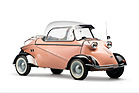
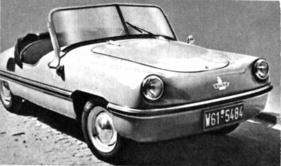
The Spatz actually held all the aces. It was cheap, looked smart and looked like a sports car. But there were also problems, including a poorly constructed sales system and an acute fire hazard if something went wrong in the engine compartment. As a result, the Spatz (and later the Burgfalke) remained an exotic car with a plastic body. This report tells the story of the Victora Spatz and shows it in historical photographs and in the sales literature of the time (5 brochures).
This article contains the following chapters
- Highly praised
- From Brütsch to the Victoria Spatz
- Improved version
- Not easy to drive
- Lack of sales power
- From sparrow to castle falcon
Estimated reading time: 5min
Preview (beginning of the article)
The Spatz's career began in 1955 - and ended just three years later. A pity, because the concept was not so bad, despite many shortcomings in detail: plastic body, central tube frame, independent suspension, mid-engine, folding top. Young people in particular were infatuated with the original vehicle at the time. "Better a bird in the hand than a pigeon on the roof" - in 1957, this old saying would have been an excellent way to advertise a vehicle that was setting completely new trends at the time - the Victoria Spatz. But the advertising copywriters immediately reached for the stars: "The dream of owning your own sports car is fulfilled if you buy a Spatz for 2975 marks. Some advantages: completely modern plastic bodywork, easy to repair if there is a scratch or a hole. And it is so lightweight that even the 200cc engine delivers an incredible amount of power to the wheels."
Continue reading this article for free?
Images of this article

Brand Pages
More about this topic