Opel Rekord 1700 in the (historic) test - Re-parking in the head


You have only
1 out of 19
images seen in high resolution


Summary
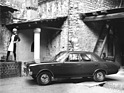
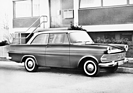
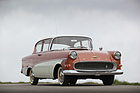
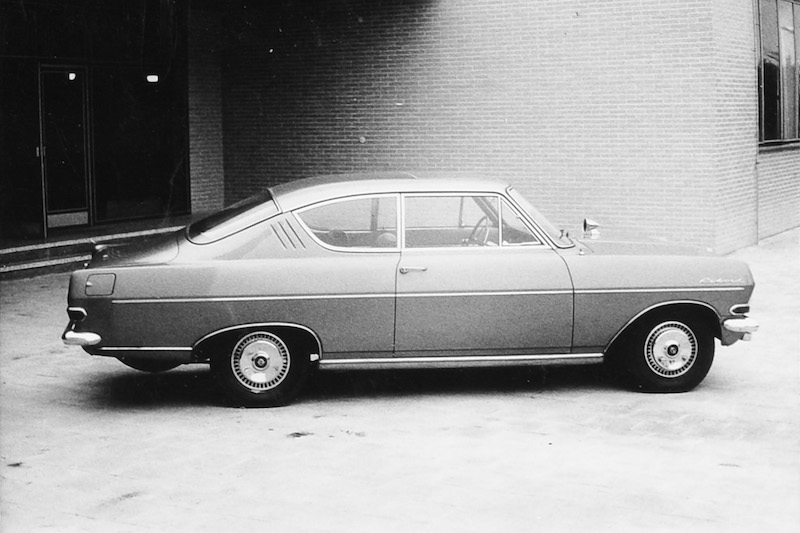
After 28 years, Opel replaced its proven OHV engines with a new engine family with an overhead camshaft. The proven Opel virtues of reliability and torque remained, as did the short-stroke design. Externally, the Rekord was much less revolutionary for 1966: only a new radiator face and a modified rear panel betrayed the generation change under the hood. This historical test report clarifies whether this was enough to distance itself more strongly from its main competitor Ford.
This article contains the following chapters
- Overhead camshaft and only 5300 rpm
- Nothing new overall
- Better road holding, suspension remains firm
- Something for everyone
- Technical data and measured values
Estimated reading time: 17min
Preview (beginning of the article)
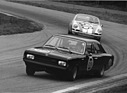
The typical Opel driver, who was often spoken of somewhat condescendingly, no longer needs to exist. The term may last for a while, but prejudices are difficult to dispel. It hardly has anything to do with the cars anymore. Whereas in the past, people were used to the models from Rüsselsheim being limited to the exterior, the driving characteristics have now undergone a transformation. The cars became firmer, the suspension stiffer. Last but not least, the new engine design helped to turn the once rather sedate family car into a car that could be driven quite quickly, at least with the more powerful engines. The Opel Rekord may not be a new car, but it has changed a lot.
Continue reading this article for free?
Images of this article