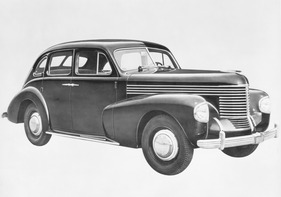
The first Opel Kapitän - innovative, virtuous and successful


You have only
1 out of 16
images seen in high resolution




Summary
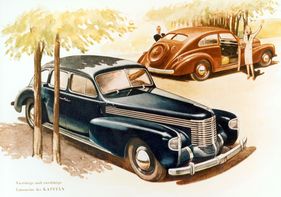
Between 1938 and 1953, Opel offered the first Kapitän, a modern yet robust vehicle with a self-supporting body that combined American characteristics with European engineering experience and sold over a hundred thousand units on the market. This report tells the story of the successful Opel luxury class model and shows it in three original brochures and in pictures and advertising illustrations from the time.
This article contains the following chapters
- The successful Opel company
- Important export markets
- American role models
- Elaborate and expensive development of the Kapitän
- With a self-supporting body
- Intensive test phase
- Far-sighted equipment details
- Only one instrument cluster
- Plenty of storage space
- Innovative and economical
- Robust and fast
- Continued success after the world war
- The American opportunity
- Success abroad and under the name Captain
- Popular captain with status value
- Updating the tried and tested
- The not really new "new" Kapitän
- Popular classic
- Further information
Estimated reading time: 9min
Preview (beginning of the article)
When Opel presented the new Kapitän in December 1938, the car was already two years old. The new design had been put through its paces in long-term trials before the green light was given for series production. At the beginning of 1939, the press spokesman of Adam Opel AG was proud to announce that seven times the production of 1932 had been achieved in the past year. 114,000 cars, 26,000 vans and trucks - a considerable number of vehicles compared to the other twelve German automobile factories. In 1938, these had produced a total of around 165,000 passenger cars, spread over more than 50 models, i.e. around 3,000 units of each type. At Opel, the average was no less than 28,500 per model.
Continue reading this article for free?
Images of this article